Trump’s AI Religious Image Sparks Backlash From His Own Support Base
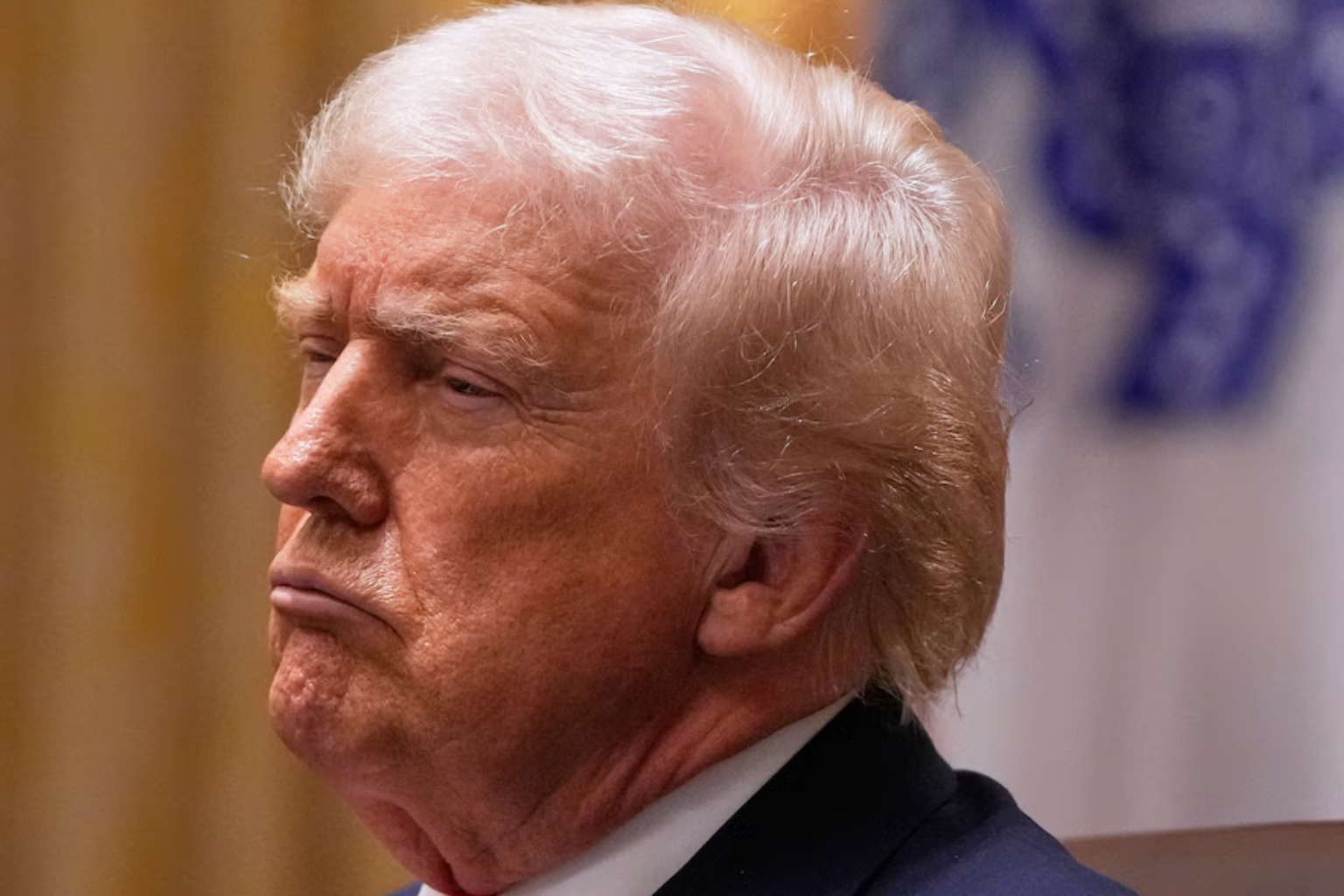
A fresh controversy has emerged around Donald Trump after he shared an AI-generated image portraying himself in a Christ-like role, triggering sharp criticism not only from political opponents but also from several voices within his own conservative support base.
The image, posted on Trump’s Truth Social platform, depicts him standing beside a bedridden man in a scene that resembles a religious healing moment. The visual includes strong American symbolism in the background, such as national landmarks, fighter jets, and patriotic imagery, presenting a dramatic and symbolic portrayal of leadership and power. The post appeared shortly after Trump publicly criticized Pope Leo XIV, intensifying tensions between the former president and the Vatican.
Earlier the same day, Trump had openly expressed his disagreement with the pope’s positions on global issues, particularly immigration and foreign policy. In his remarks, Trump accused the pope of being weak on crime and criticized his stance on international conflicts. He also made it clear that he expects religious leaders to avoid political criticism of U.S. leadership, especially when he believes his policies reflect the will of voters.
In response, Pope Leo XIV addressed the situation calmly during a media interaction, stating that he holds no fear of political pressure and will continue advocating for peace and humanitarian values. His remarks signaled a clear contrast in tone, focusing on diplomacy rather than confrontation.
However, the biggest reaction came from within Trump’s own ideological circle. Several conservative commentators and public figures expressed discomfort and disapproval over the AI-generated image. Many described it as inappropriate, especially due to its religious symbolism.
Riley Gaines publicly questioned the intent behind the post, suggesting that humility would have been a more appropriate approach. She also emphasized that religious beliefs should not be used in a way that could be perceived as mocking or disrespectful.
Similarly, Megan Basham strongly criticized the image and called for its removal. She described the post as offensive and urged Trump to acknowledge the reaction it had generated among the public and his supporters.
Adding to the criticism, Marjorie Taylor Greene, a longtime Trump ally, took a firm stance against the image. She stated that she completely rejects the portrayal, especially given its timing around a major religious period. Her comments reflect a growing divide within sections of Trump’s support base on issues related to messaging and public image.
Other conservative voices, including Michael Knowles, also suggested that removing the post would be the right step, both politically and personally. Meanwhile, commentator Tim Pool offered a more sarcastic reaction, indicating surprise at the direction Trump’s messaging appeared to be taking.
As of Monday morning, the image remained visible on Trump’s Truth Social account, and there had been no official response from his team regarding the growing backlash. Reports indicate that the image was originally created and shared earlier this year by a pro-Trump influencer, framing it as a symbolic representation of leadership and national recovery. Even at that time, the visual had sparked debate, but its repost by Trump himself significantly amplified the reaction.
This incident highlights the increasingly complex relationship between political figures and digital media, particularly the use of AI-generated content in public communication. It also reflects the challenges leaders face in balancing strong messaging with sensitivity toward deeply held cultural and religious values.
The reaction from Trump’s own supporters suggests that while political loyalty remains strong, there are clear boundaries when it comes to symbolism and public conduct. As the 2026 political landscape continues to evolve, moments like these may play a role in shaping public perception and internal dynamics within political movements.
Sources:
NBC News
Truth Social Platform Statements
Public statements from conservative commentators and political figures