
Iran Ceasefire Sparks Hopes for Lower Gas Prices, But Experts Warn Relief May Take Time
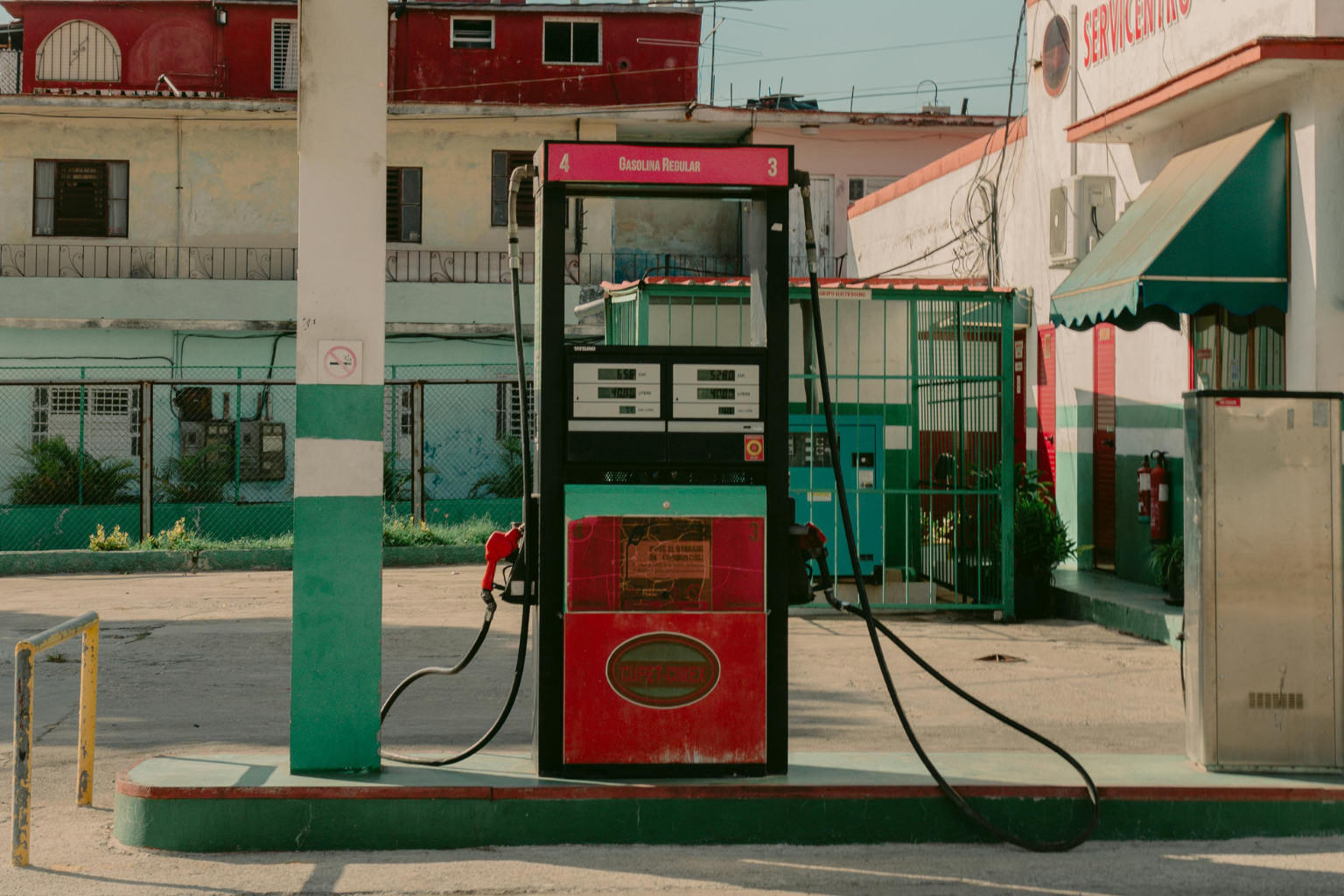
Drivers hoping for immediate relief at the pump following the recent ceasefire involving Iran may need to stay patient, as energy experts say there is no clear guarantee that gas prices will fall quickly.
According to industry analysts, gasoline prices are closely tied to crude oil markets, which remain unstable despite the pause in tensions. Crude oil prices recently climbed as high as $99.08 per barrel before dipping slightly and then rebounding again. This ongoing volatility means any drop in fuel costs is uncertain and likely delayed.
At the consumer level, gas prices are still hovering above the $4 mark in many areas. In New Jersey, the average price for a gallon of regular gasoline stood at $4.08, slightly below the national average of $4.16. Experts emphasize that for prices to fall below $4 nationwide, crude oil would need to consistently stay in the low $90 range for at least a full week — something that has not yet happened.
One key factor affecting the situation is how the ceasefire holds up over time. Analysts describe the agreement as fragile, with ongoing uncertainty around geopolitical tensions. A major concern is the Strait of Hormuz, a critical oil shipping route controlled by Iran. If oil tankers are unable to move freely through this narrow passage, global supply could tighten, keeping prices elevated.
During the recent conflict, several oil tankers reportedly avoided passing through the Strait, choosing instead to anchor and wait. This disruption in supply chains continues to influence market behavior. There are also concerns about whether Iran may impose additional conditions, such as tolls, on ships using the route in the future.
Experts say the coming days could bring slight relief, but the longer-term outlook remains unclear. Much will depend on how the situation in the Middle East evolves and whether stability returns to key oil transport routes.
Another factor complicating gas prices is the seasonal switch to summer-grade gasoline. This fuel is specially formulated to burn cleaner but is more expensive to produce. While the federal government has temporarily allowed a waiver on these requirements, giving refiners more flexibility, the decision ultimately depends on individual states. So far, there has been no widespread confirmation from northeastern states on whether they will adopt the waiver.
Even with the waiver in place, it only lasts for 20 days, creating hesitation in the market. Fuel producers and traders are cautious about shifting to a different type of gasoline if regulations might soon revert. This uncertainty in the futures market is preventing immediate changes in supply, which in turn affects prices at gas stations.
Industry experts explain that buyers and sellers do not want to risk holding fuel that may not meet future regulations. As a result, many are choosing to stick with stricter specifications, limiting the impact of the temporary waiver.
Overall, while the ceasefire has reduced some immediate geopolitical risks, it has not provided enough stability to significantly lower gas prices. Market conditions remain complex, influenced by global tensions, supply chain disruptions, and regulatory uncertainty. For now, consumers may see only gradual changes at the pump, if any.
Sources:
AAA (American Automobile Association)
GasBuddy Petroleum Analysis
Industry Expert Insights (Kloza Advisors, Energy Market Analysts)