Did Gov. Murphy Actually Turn NJ Transit Around Before Leaving Office?
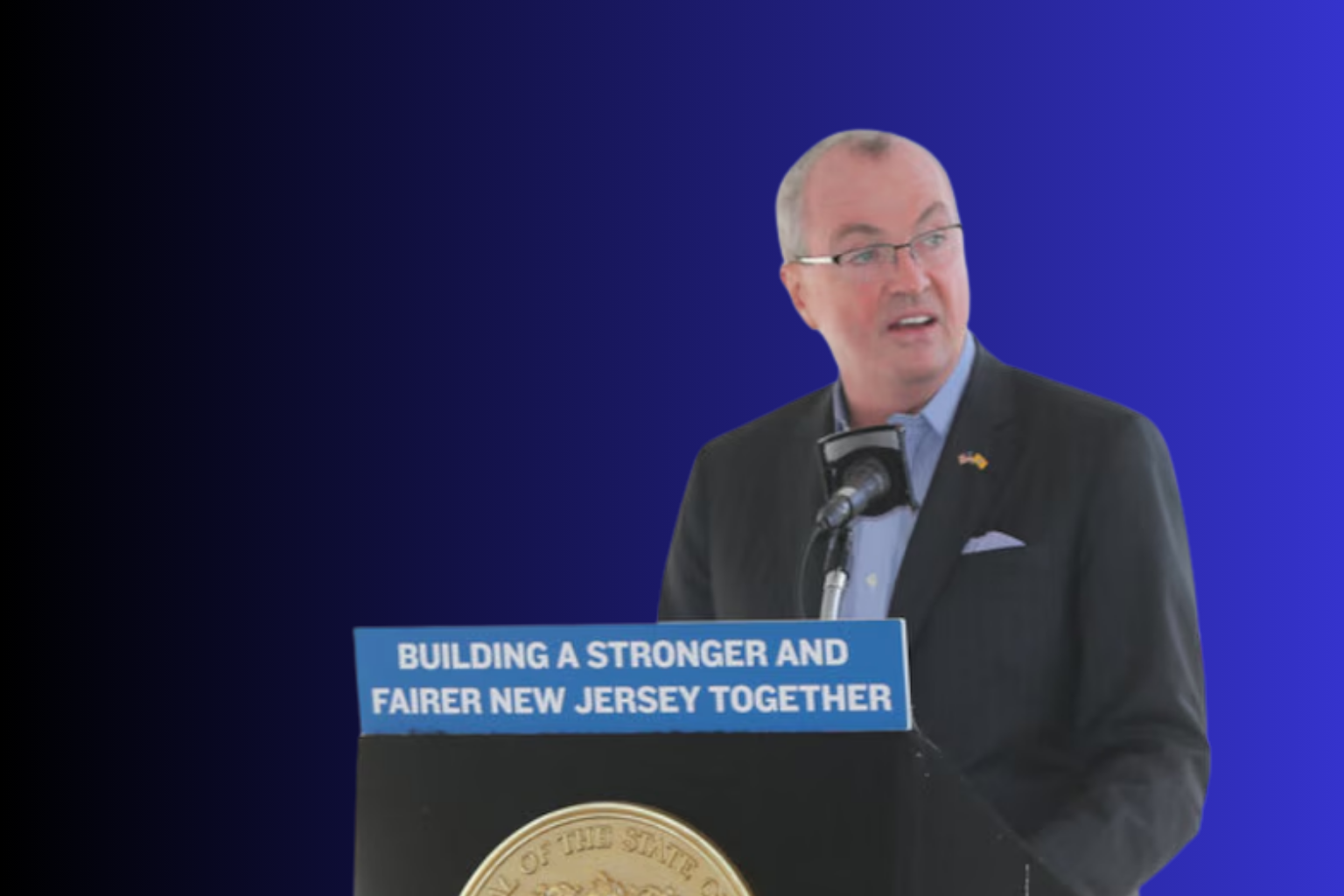
Phil Murphy made a big pledge when he first became governor of New Jersey, and it rapidly became popular throughout the state. He said he would fix NJ Transit, even if it meant dying. As Murphy gets about to leave office at the end of his second and last term, commuters, experts, and officials are all closely examining whether he kept that promise.
The short answer is not simple. NJ Transit isn’t “fixed” in the way that riders wanted, but it’s not going to fall apart any time soon. Murphy helped the third-largest public transit system in the country avoid a financial disaster, upgraded some of its old buses, and made long-term plans that would last long after he leaves office. Thousands of New Jersey commuters still have to deal with daily delays, cancellations, and angry riders, though.
Murphy initially said his now-famous words during a speech about the budget in 2019, when he said that NJ Transit was his first priority. Years later, in his last State of the State speech, he admitted that the work was far from over. He indicated that fixing NJ Transit would take longer than his time in office, but he also said that the agency is much better now than it was when he started office.
People who know a lot about New Jersey politics and transportation policy mostly agree with that. People think that Murphy’s impact at NJ Transit may be measured in two key ways: how riders feel about the service every day and how well the agency can stay in business over time. On the first point, there have been just small advances. Murphy had a big effect on the second.
Since Murphy assumed office in 2018, on-time performance, which is one of the most highly scrutinized criteria, has gotten a little better. At that point, the system’s overall performance was roughly 88%. It is now just under 90 percent, which is still below NJ Transit’s stated goal. Recent data reveals that buses are doing better than trains, which still have problems with delays and failures, especially during busy travel periods.
For a lot of people who commute, those numbers don’t match what they see every day. People who ride public transportation and people who are involved in online commuter forums say that cancellations are still prevalent and that reliability is still a big worry. Some people who use the train say they have completely changed how they travel to work. They transfer lines, take buses instead of trains, or avoid NJ Transit whenever they can because they don’t trust the system anymore.
Riders are also upset about the fare rises. In the middle of 2024, NJ Transit hiked fares by 15% and started raising them every year based on inflation. Officials said the increases were needed to keep the budget stable, but many commuters feel they are paying more without seeing enough improvement in service.
Murphy gets the greatest credit for funding. NJ Transit now has a steady, reliable stream of money to run its business for the first time in decades. Murphy advocated for the Corporate Transit Fee, which is a tax on big, profitable businesses that do business in New Jersey. That action helped cover a huge budget imbalance and avoided major service cuts that could have broken the system.
Experts in transportation think that this choice probably kept NJ Transit from going bankrupt. The agency can now plan for the future, pay its debts, and invest in infrastructure instead of always having financial problems and having to make emergency repairs. A lot of people think this is Murphy’s most important and lasting gift.
During his time in office, NJ Transit also promised billions of dollars to make buses and trains more contemporary. Many lines are already more reliable with newer buses, which break down less often and have more room during rush hour. Rail upgrades are taking longer, and the full fleet replacement won’t be done until around 2031. This means that many riders won’t see the benefits for a long time.
Murphy also got a system that had been underfunded for decades, had old equipment, not enough staff, and infrastructure that was getting old. Much of this was shared with Amtrak along the Northeast Corridor. Some of NJ Transit’s largest challenges are still out of the state’s direct control, which has slowed down how soon improvements may be realized.
This mixed record is shown in public opinion. A recent statewide poll awarded Murphy a dismal grade on transportation and infrastructure, which is similar to how people felt about his work halfway through his term. Customer satisfaction surveys show that things are getting better since 2018, but the overall ratings are still average, not strong.
Even many who support NJ Transit agree that faith in the agency has not been fully restored. While disruptions are less catastrophic than they were during the worst periods, everyday reliability is still not where commuters want it to be.
When Murphy leaves office, NJ Transit will be in a stronger financial and structural situation than when he took over. The agency has long-term goals for its strategy and capital, secure funding, and big projects that are moving forward. But for people waiting on platforms during delays or coping with canceled trains, the promise to “fix” NJ Transit still feels like it hasn’t been kept.
Murphy didn’t fix the transit system completely, but he might have stopped it from falling apart. How history will assess Murphy’s audacious pledge will depend on whether his successor can build on that basis and finally make the commute reliable.