White House Adviser Defends Rising Gas Prices as Short-Term Spike Amid Middle East Tensions
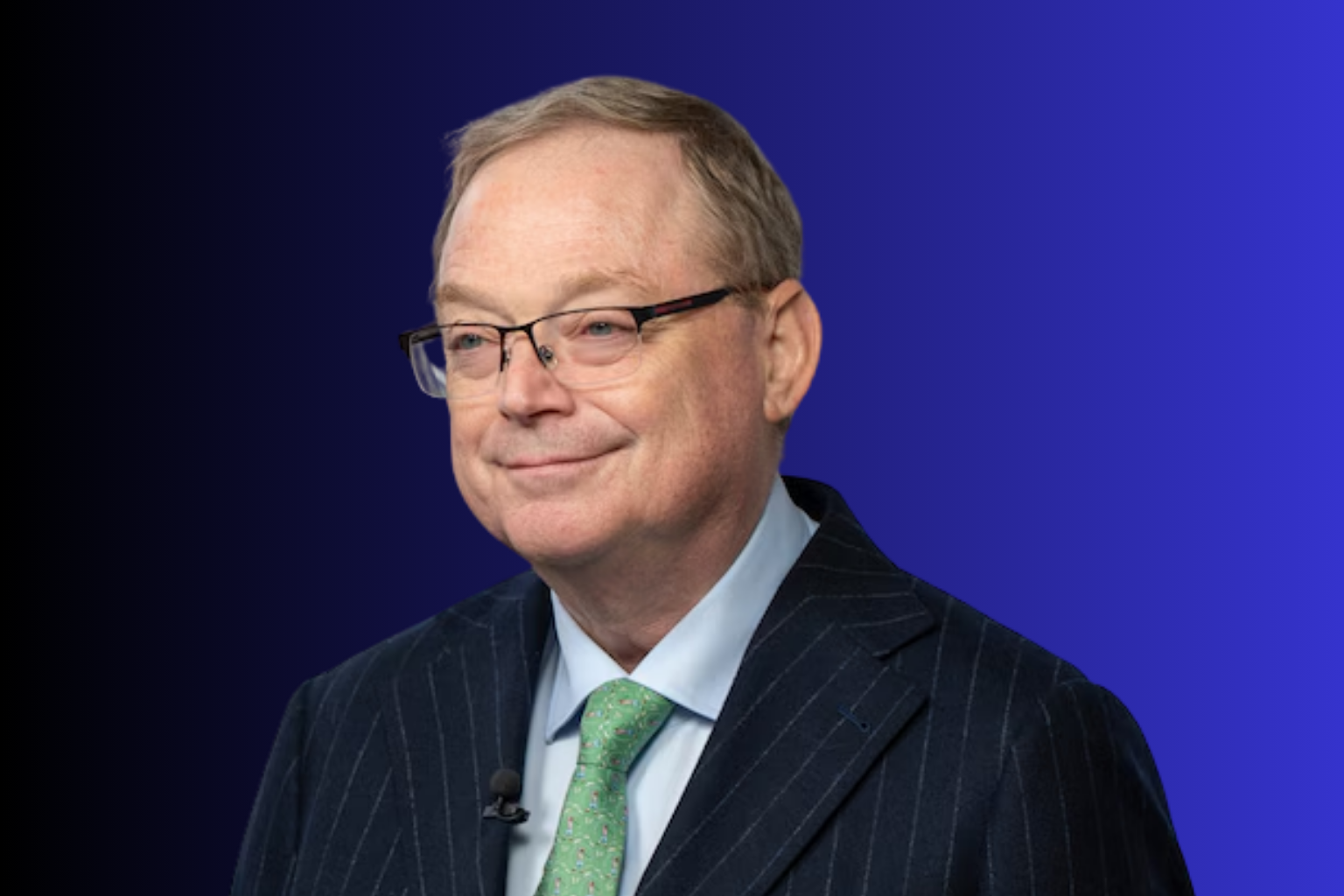
A senior economic adviser in President Donald Trump’s administration faced tough questions during a televised interview as gas prices across the United States continue to rise sharply, creating pressure on households already dealing with higher living costs.
The discussion comes at a time when fuel prices have climbed to levels not seen since 2022. The increase is largely linked to ongoing conflict involving Iran, which has disrupted global oil supply routes. The situation has affected the Strait of Hormuz, a key passage for oil exports, leading to tighter supply and higher prices worldwide. According to the latest data, the national average price for gasoline has reached $4.09 per gallon.
During the interview, the White House economic adviser expressed confidence that the surge in prices would not last long. He described the current situation as temporary and suggested that market conditions would stabilize soon. However, he did not provide a clear timeline for when Americans might start seeing relief at the pump.
The conversation became more pointed when the adviser shifted focus to past policies under former President Joe Biden. He criticized the previous administration’s decision to release large amounts of oil from the Strategic Petroleum Reserve ahead of midterm elections, arguing that it was done for political reasons rather than in response to an actual supply crisis.
The news anchor challenged this argument, steering the discussion back to current economic realities. He pointed out that oil prices have surged significantly in recent months, noting that West Texas crude has jumped from $67 per barrel in late February to $111. The anchor raised concerns about how much strain the U.S. economy can handle if prices continue to climb at this pace.
In response, the adviser maintained that the U.S. economy remains strong and resilient. He emphasized that the administration’s focus on energy production has positioned the country well to deal with global disruptions. He also repeated that the current price increase is a short-term issue that will likely ease as geopolitical tensions settle.
Despite these assurances, many Americans are feeling the impact of higher fuel costs in their daily lives. A recent national poll shows widespread dissatisfaction with how gas prices are being handled. According to the survey, a majority of Americans report experiencing financial strain due to rising fuel costs, with some describing the impact as severe.
The same poll highlights a significant gap in public approval, with only a small portion of respondents supporting the administration’s approach to managing gas prices, while a large majority expressed disapproval.
As global tensions continue to influence energy markets, the situation remains uncertain. While officials suggest that relief is on the horizon, consumers across the country are still waiting for tangible changes that could ease the financial burden.
Sources:
White House Economic Council statements
AAA gas price data
CNN public opinion poll