When Social Media Turns Into a Snowstorm of Opinions: How Winter Forecasts Are Fueling Frustration
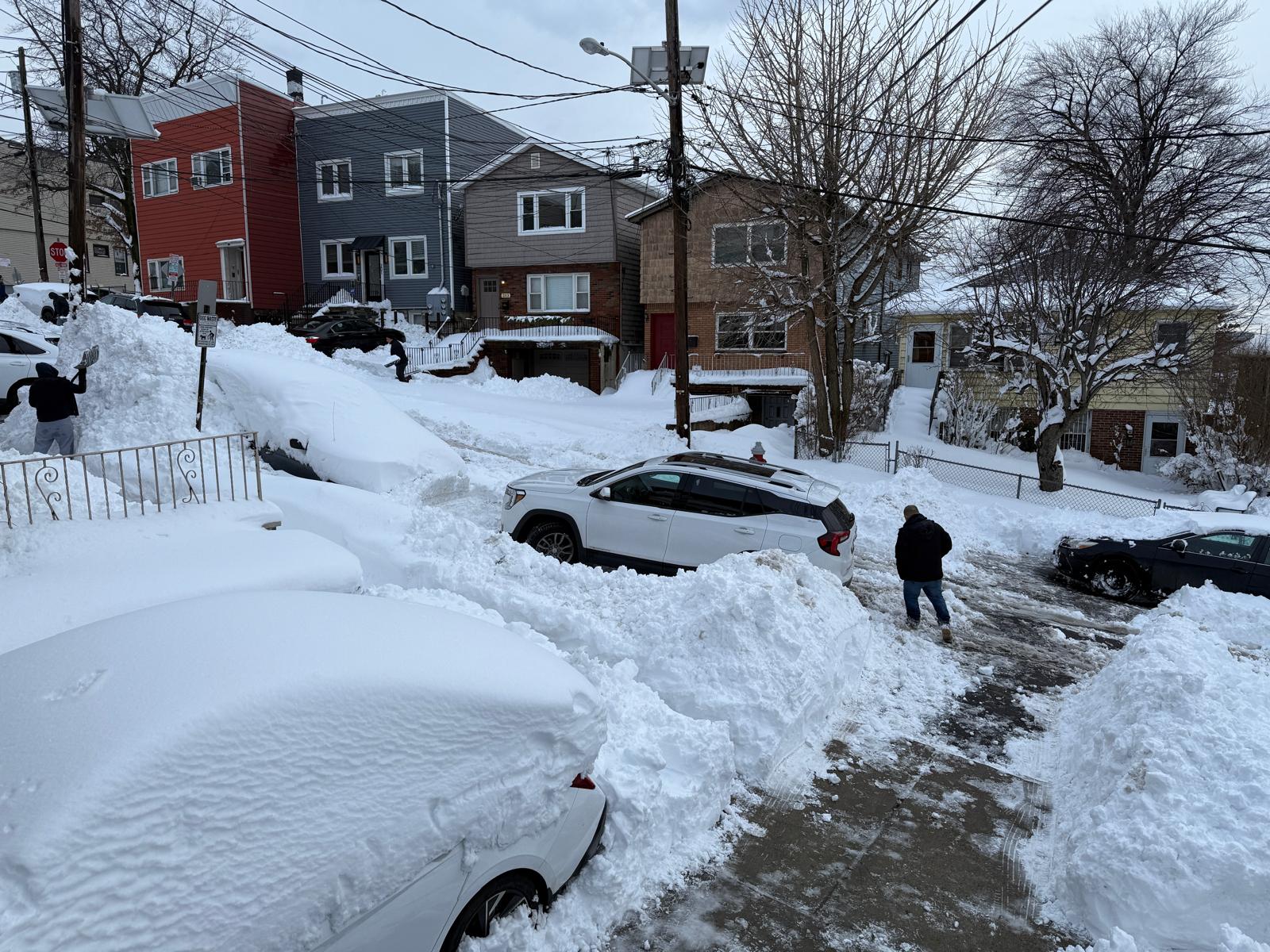
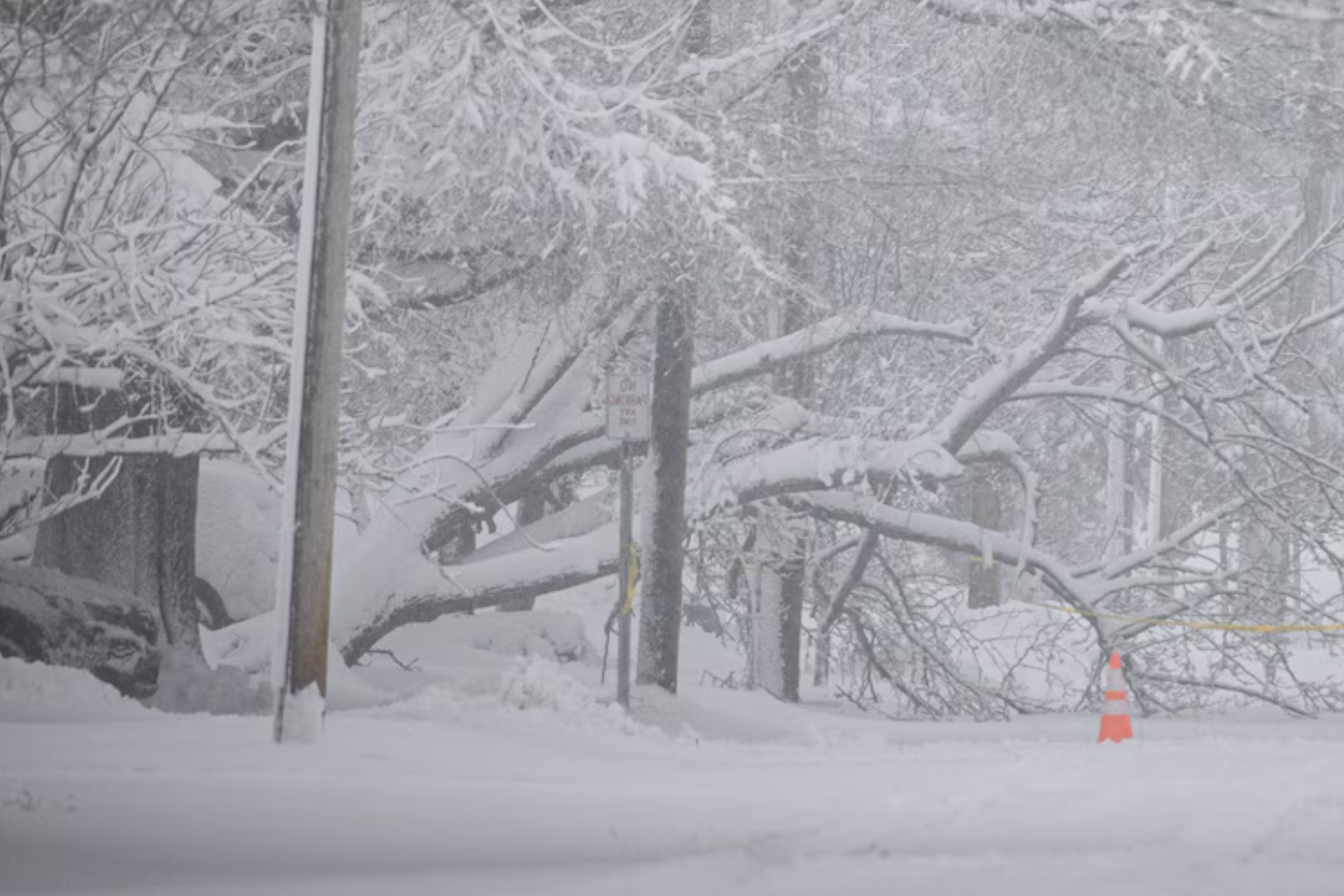
New Jersey has had snow, cold temperatures, and bitter winds this winter, as well as a flood of weather opinions. Facebook posts projecting snowfall totals and Instagram and X viral images seem to have made everyone a weather guru. This expanding wave of amateur forecasting is making a terrible season even more confusing and frustrating, say professional meteorologists.
Snowstorms have fueled discontent in New Jersey. When projections are even marginally off, nasty remarks follow. New Jersey hobby forecaster Rob Rizzolo of Island Heights in Ocean County understands this. Rizzolo, who has provided weather updates online as a pastime for years, understands people’s frustration. Because snow accumulation is unpredictable, even experts give ranges instead than exact totals.
Rizzolo admits to not being perfect. He readily admits wrong predictions. He believes he shares facts and avoids criticism. He also acknowledges that social media monetization has changed things. Engagement now boosts visibility and earnings, which may lead certain online personalities to overstate weather dangers or post misleading images.
Certified meteorologists in the region share that fear. A longtime tri-state meteorological platform operator in New York, New Jersey, and Pennsylvania, Steven DiMartino, says disinformation is everywhere online. Working in the industry since the 1990s, he has seen social media change forecast consumption and sharing. He accepts criticism as part of the job, but non-professional posts which are inaccurate can cause undue alarm or confusion.
Another New Jersey meteorologist, Bobby Klark of Belmar, is more forthright. He believes amateur forecasters harm the profession. He argues that the public occasionally blames qualified meteorologists for online mispredictions, even if they did not make them.
This misconception goes beyond social media. Smartphone weather applications are replacing TV for many locals. Before leaving, young folks, especially those under 30, check apps, widgets, and TikTok and Instagram updates. However, experts warn that even long-term estimates can be misleading. Forecasts greater than five days out are often inaccurate due to weather model changes.
The rise of social media in the past two decades has made tracking unauthorized weather pages challenging. Meteorologist Joe Martucci says not all online forecasters are irresponsible. He warns that “bad actors” fail to identify sources, provide outdated information, or use dramatic visuals to overstate risk.
A red signal for experts is snow projections shared more than five days before a storm. Bold red and orange visuals draw attention rather than explain confusion. Some postings circle large zones on maps without detailing local effects. These approaches can instill terror without context.
Researchers examining public attitudes to weather communication found fascinating trends. Georgia Southern University School of Earth, Environment & Sustainability chair Kathleen Sherman-Morris said professional forecasters are getting more public criticism than 10 to 15 years ago. People are louder on social media, and bad comments propagate quickly.
Arizona State University assistant professor Kathryn Lambrecht researched how people react to National Weather Service reports. Her research indicated that public thankfulness changes with weather hazard. Extreme cold warnings were valued higher than heat advisories. However, tornado alerts prompted many praises. The data imply that perceived risk influences public reaction to forecasts.
Experts also note that predicting technology has improved. Nathan Magee, chair of The College of New Jersey’s Physics Department, said two-day projections are as accurate as three-day forecasts a decade ago. AI and massive historical data boost the accuracy of advanced weather models. Even with these advances, public distrust is rising.
Another issue is social media algorithms. A weather post from days ago can appear in a user’s stream as current, causing confusion. Some sites’ paid verification badges can also legitimize illegitimate pages. Residents have trouble determining which forecasts are reliable.
Accurate information essential to Hoboken and Secaucus travelers battling chilly rail platforms. Whether you bundle up, delay travel, or prepare for significant snowfall depends on reliable forecasts. Conflicting timetable forecasts leave individuals confused who to believe.
Professional meteorologists deny silencing hobbyists. Instead, they advise the public to verify credentials and trust qualified experts or government organizations for essential updates. When forecasting complicated systems like wind chill, dew point, and polar vortex, accuracy is never guaranteed. Transparency regarding uncertainty is responsible science.
Snowstorms and harsh temperatures are not the only concern for New Jersey residents this winter. It also involves managing an online environment where opinions, visuals, and predictions circulate quicker than storm clouds. Experts agree that informed decision-making begins with knowing who makes the forecast and whether it is scientific.
In an age when everyone can make a good weather map, credibility matters more. Forecasting science has evolved, but the noise has increased. Separating fact from hype may be as vital as checking the weather for folks planning their day.