When Protest Abroad Mirrors Tensions at Home: Iran’s Struggle and America’s Democratic Test
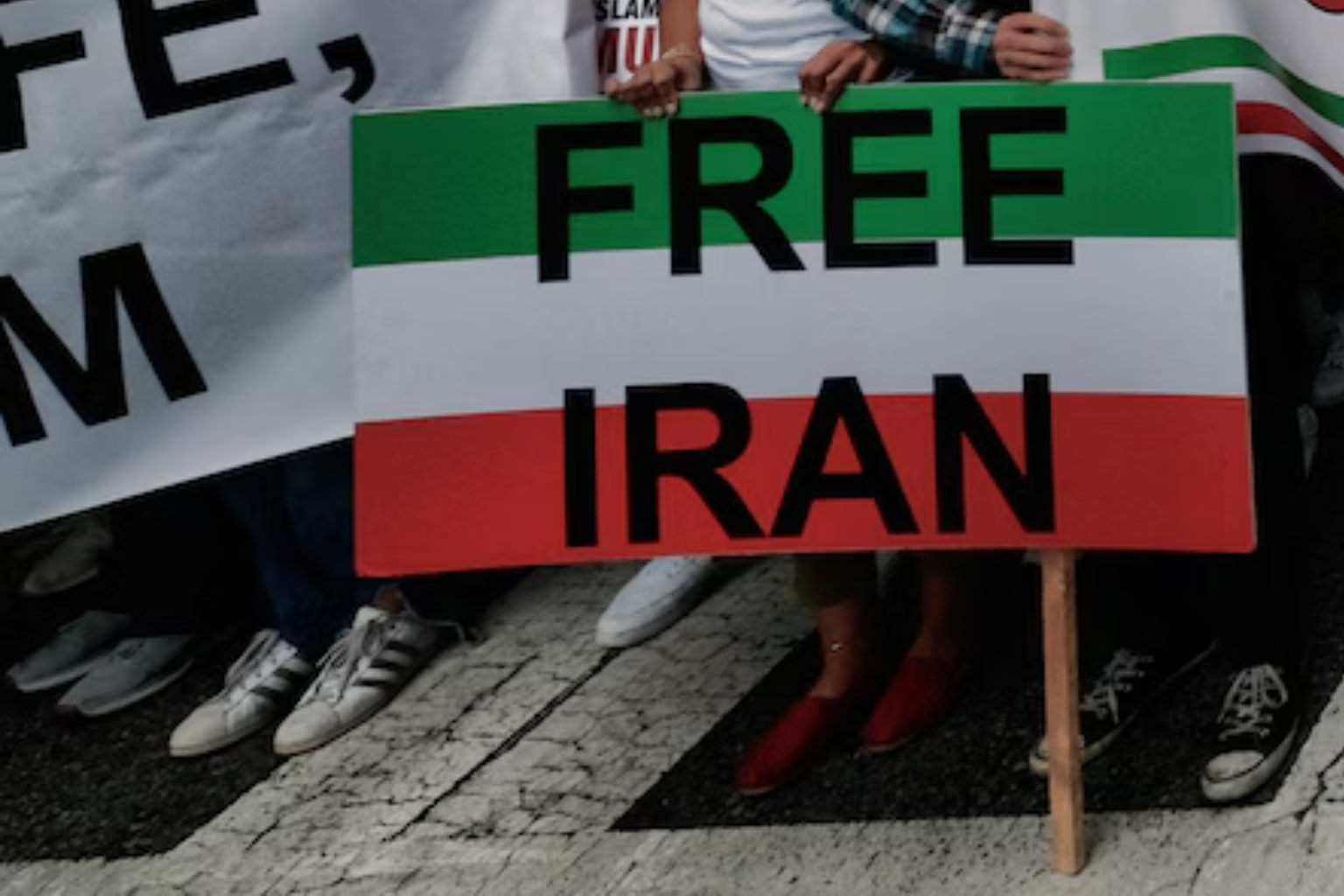
A key leader of the Rutgers Democracy Lab at the Eagleton Institute of Politics recently discussed how Iran’s events are impacting US democracy discussions. The author stated their personal and professional opinions. But years of research on democratic systems and civic institutions underpinned the message.
An Iranian immigrant child born in the US before 1979, the author was thrilled to be the first in their family. That story embodied the American dream for decades. Their parents created a stable, free life here. Now, that promise seems more flimsy.
Credible reports indicate thousands of protest-related deaths in Iran. Economic hardship, contested elections, and women’s rights have sparked protests. Many Iranians speak out despite detention, torture, or worse. Their needs are simple. They desire family-supporting work. Want fundamental civil liberty. They wish to foresee a safer future for their kids.
The 2022 protests over Mahsa Amini’s death were pivotal. Her death in Iran’s morality police detention generated global anger and renewed scrutiny of the Iranian government’s treatment of its citizens. The event caused sad contemplation for many Iranian Americans, including the author. Freedoms once granted in the US felt more valuable and uncertain.
In 2026, the conversation has changed. Authoritarian behaviors overseas and controversial activities at home are compared. ICE’s treatment of American citizens in Minnesota prompted concerns. Critics say harsh enforcement techniques, even on a lesser scale than totalitarian repression, risk normalizing federal authority.
The Fourth Amendment’s ban on unreasonable searches and seizures is debated. Some enforcement interpretations have raised Second Amendment concerns. These are not legal technicalities. They are important to democratic institutions and power checks.
The author believes legitimate governments have essential duties. They uphold law. They safeguard civil rights. They do not imprison or hurt peaceful dissenters. They don’t kill citizens for speaking out. Democratic ideology and the U.S. Constitution uphold these norms.
The Iran situation remains urgent. After Geneva nuclear talks, U.S. authorities must weigh Iranian ideas. Security and nuclear capabilities dominate diplomatic conversations. Millions of ordinary Iranians who have undergone years of suffering are behind those conversations. Their suffering is real. It is personal, daily, and hazardous.
Do not compare the US to Iran, the author says. This is a warning about complacency. Democratic systems don’t collapse suddenly. They eventually deteriorate when rules are ignored, institutions are undermined, and citizens lose interest. Iran’s past shows how rapidly liberties can go without guardrails.
Americans learn civic engagement. The author advises citizens to speak up, keep leaders accountable, and speak out when democratic principles are challenged. They say thoughts and prayers are insufficient. Active engagement sustains democracies.
Iranian family seeing events from afar suffer. Protesters who risked everything are exhausted. But Americans must also defend the institutions many immigrants previously considered as a beacon of hope.
Repression vs democratic resilience will be a key topic while global tensions and nuclear discussions continue. The story goes beyond Iran. The continual test of democratic values in the US and the lesson that freedom requires persistent vigilance.
Authoritarian experiences give a compelling viewpoint in a period of political divisiveness and global instability. Their voices emphasize a simple but vital truth: democracy survives only when people demand it.