


US Signals Tough Stance as Iran Ceasefire Faces Early Uncertainty
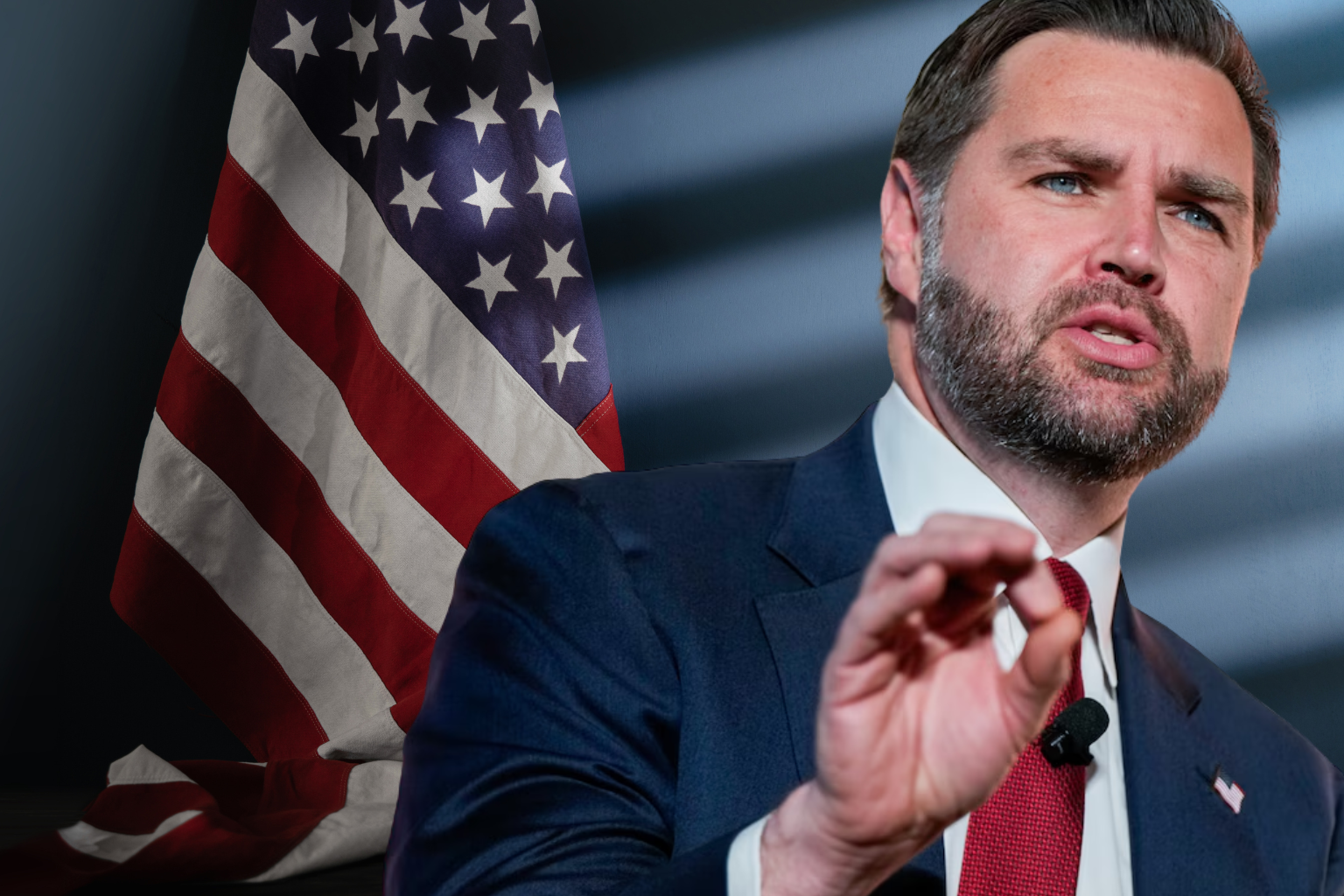
JD Vance has issued a strong warning to Iran, making it clear that the United States expects full compliance with a newly agreed two-week ceasefire. His remarks come at a critical moment as tensions remain high despite a temporary pause in hostilities.
Speaking during a conference in Hungary, Vance described the ceasefire as “fragile,” highlighting concerns within the U.S. administration about whether Tehran will fully honor the agreement. He pointed out that while some elements within Iran appear willing to negotiate, others may undermine the deal by acting in bad faith. This internal divide, according to Vance, raises doubts about the long-term stability of the truce.
At the same time, Vance delivered a direct message tied to Donald Trump, emphasizing that the U.S. president is prepared to take decisive action if Iran violates the agreement. He stressed that Washington still holds significant military, diplomatic, and economic power, which could be used if necessary. The statement reflects a broader strategy of combining negotiation with pressure to ensure compliance.
Vance also underscored Trump’s urgency in moving toward a resolution. He described the president as “impatient” for progress, signaling that the U.S. is not willing to tolerate delays or deception in ongoing talks. According to Vance, the outcome of this ceasefire period will largely depend on how Iran’s leadership chooses to engage in negotiations moving forward.
The ceasefire itself was announced shortly before a deadline set by Trump, avoiding what he had earlier warned could be severe consequences. The agreement was reportedly brokered with the involvement of Pakistan, which has taken on a mediating role in facilitating dialogue between the two sides. Trump stated that U.S. military objectives had already been achieved and that discussions were advancing toward a broader peace framework in the Middle East.
As part of the temporary arrangement, Iranian officials indicated that they would ensure safe passage through the Strait of Hormuz, a critical global route for oil and gas shipments. This move is seen as essential for maintaining stability in global energy markets during the ceasefire period. Meanwhile, Trump suggested the possibility of a joint initiative involving the U.S. and Iran to manage transit through the strait, describing it as a way to enhance security and cooperation.
Diplomatic efforts are expected to continue in the coming days, with early talks potentially beginning soon. While Israel has supported the decision to pause strikes against Iran, it has made clear that its operations against Hezbollah in Lebanon will continue, adding another layer of complexity to the regional situation.
The ceasefire agreement came at the last moment, following strong warnings from Trump about the potential consequences of failure to reach a deal. His earlier statements had raised alarm among political leaders, with some critics expressing concern over the intensity of his rhetoric.
For now, the focus remains on whether this temporary pause can lead to a more lasting agreement. U.S. officials have made it clear that while diplomacy is the preferred path, they are prepared to respond if the terms of the ceasefire are not respected. The coming days will be crucial in determining whether this fragile truce can hold or if tensions will escalate once again.
Sources:
Official statements from the U.S. Vice President’s office
Public remarks by the U.S. President
Statements from Iran’s Foreign Ministry
Government of Pakistan communications