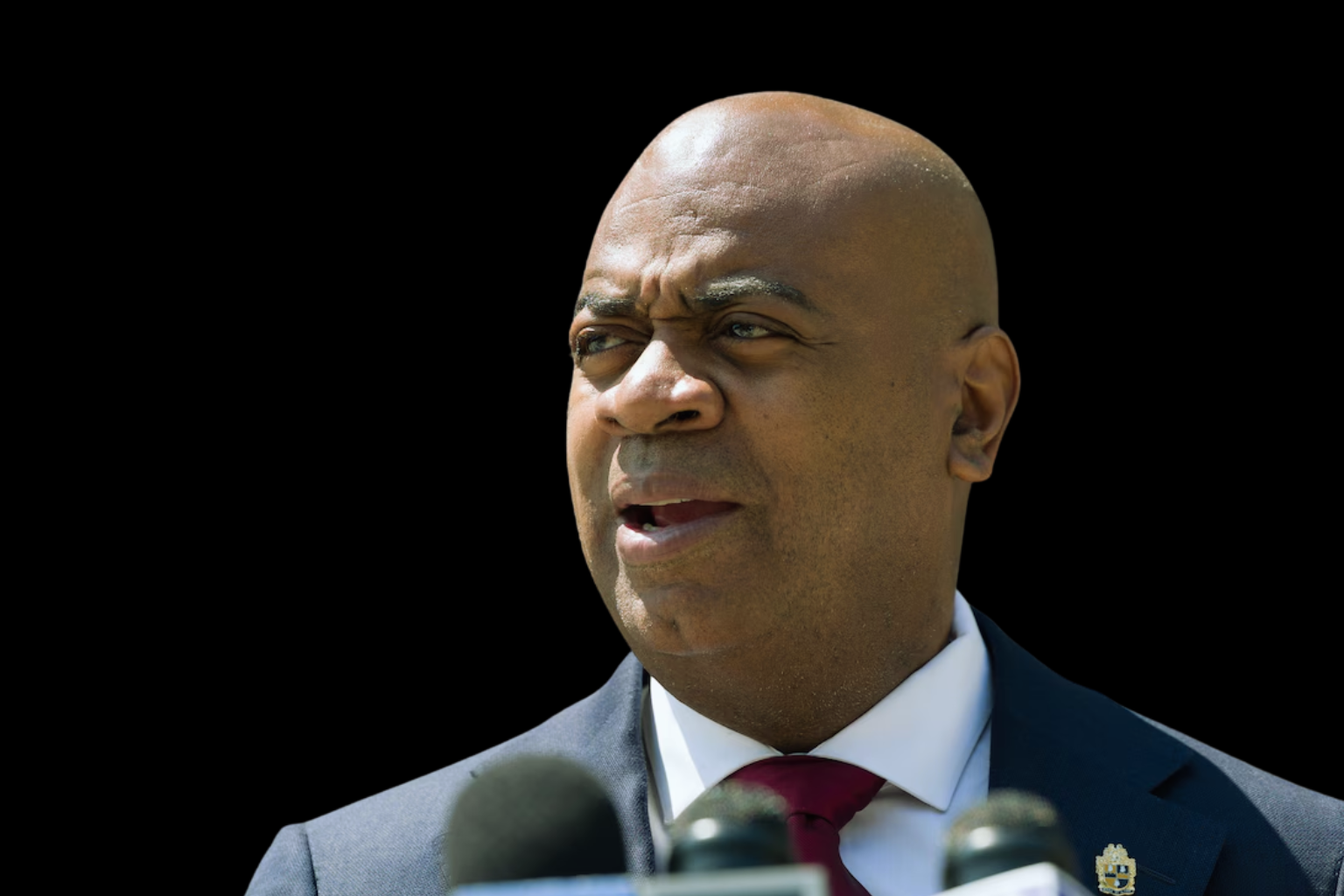
UFC Fighter Sean Strickland Rejects White House Event, Raises Concerns Over Epstein File Controversy
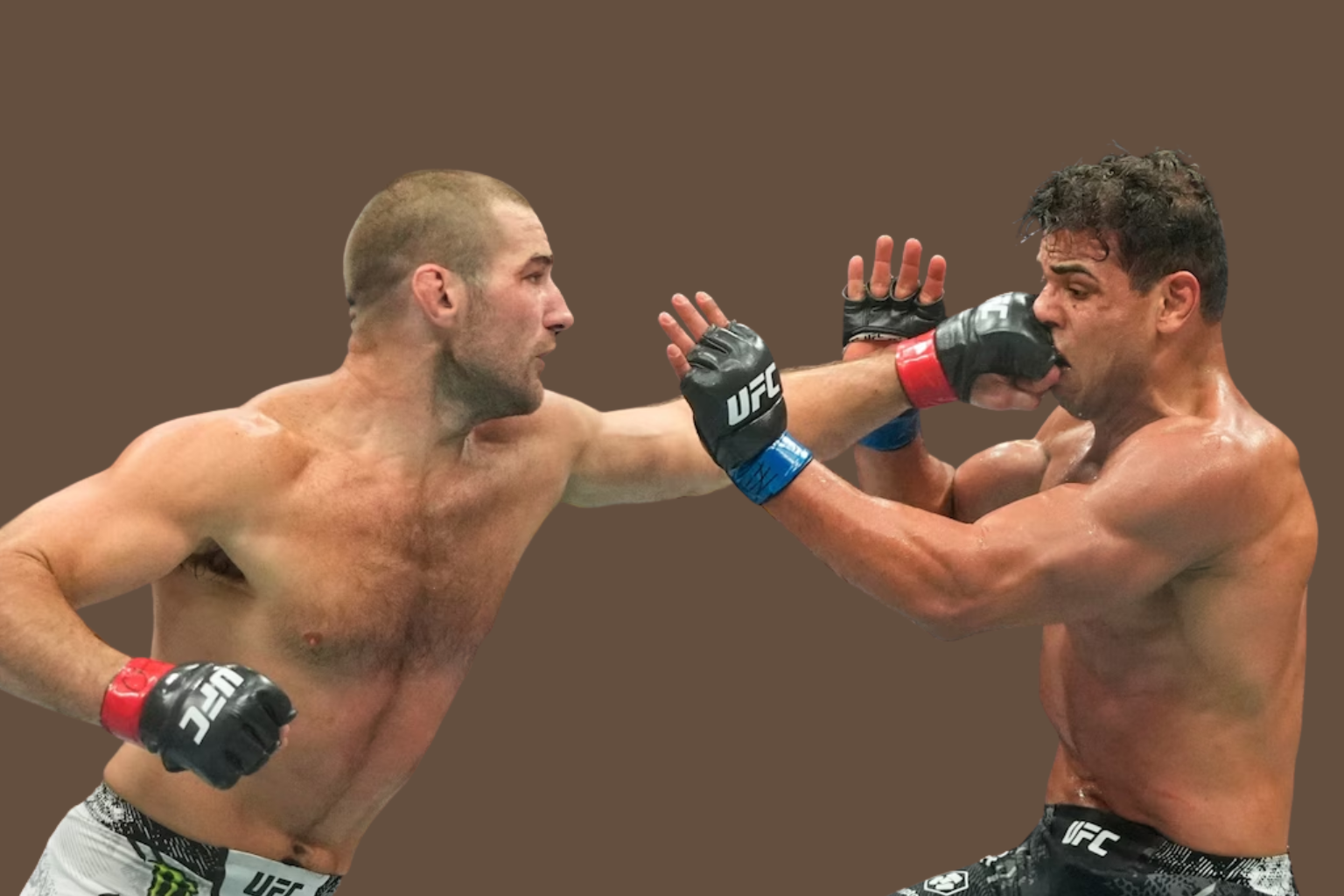
The UFC’s most outspoken competitor, Sean Strickland, won’t attend a White House UFC event due to the federal handling of the Jeffrey Epstein case. His opinions reflect public suspicion of high-level government transparency and have received sports and political attention.
In a conversation with Adin Ross, Strickland proposed bringing combatants to the White House. A White House-related UFC event would be meaningful if fans were involved, he said. He refused the offer without that, especially considering Epstein file developments.
UFC star mentioned the federal government’s revelation of Jeffrey Epstein’s records, the late businessman and convicted sex offender suspected of running a large-scale sex trafficking operation involving young girls. Strickland said these materials made him uncomfortable at a high-profile campaign event. He plainly expressed discontent shared by many Americans who believe significant Epstein case concerns remain unresolved.
After the DOJ disclosed Epstein flight logs and investigative documents, the issue arose. Lawmakers and the public attacked many files for heavy censorship. Senate Democratic leaders accused the federal government of violating Epstein-related record disclosure legislation.
Chuck Schumer, Senate Minority Leader, said the suppressed files damaged public trust. He proposed litigation to enforce lawfulness. Even though it is symbolic and unlikely to pass in a divided Congress, the resolution has raised awareness and forced federal officials to disclose more information.
The DOJ says redactions safeguard victims and sensitive data. Officials indicated more documents will be disclosed gradually, but no plan exists. This confusion has been criticized by prominent figures like Strickland as institutional deception.
Trump said he withdrew Epstein from Mar-a-Lago after learning of his behavior. These words have returned, tying the case to national politics and intensifying public discourse.
Many UFC fighters dread fighting in political environments, including Strickland. Brandon Royval, another UFC fighter, said political elite fights were unrelated to athletes. Some fighters believed high-profile political events favor wealthier viewers over fighters.
These reactions demonstrate the growing divide between politicians and athletics. Sports and politics often mix, but Strickland’s refusal highlights how national controversies can disrupt ceremonies. Some disagree with him, but those who value transparency and responsibility in leaders welcome it.
While the Justice Department reviews and publishes Epstein materials, public scrutiny will continue. Strickland’s words have prompted problems about government trust, accountability, and public individuals’ responsibilities in challenge official narratives, regardless of a White House UFC event.