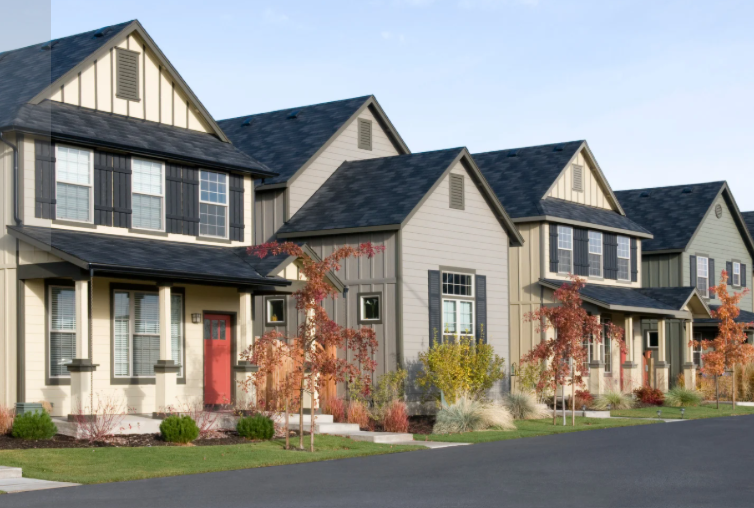
U.S. Housing Market in 2026: Rising Costs, Limited Supply, and What Buyers and Sellers Should Expect

The U.S. real estate market in 2026 continues to evolve under pressure from high borrowing costs, limited housing supply, and shifting buyer behavior. After several years of rapid price growth followed by market cooling, the current landscape reflects a more balanced but still challenging environment for both buyers and sellers.
One of the biggest factors shaping the housing market right now is mortgage rates. Elevated interest rates have made borrowing more expensive, which has reduced affordability for many buyers. Monthly payments are significantly higher compared to just a few years ago, even for similarly priced homes. This has forced many potential buyers to delay purchases or adjust their budgets, leading to a noticeable slowdown in demand in some regions.
At the same time, housing inventory remains tight across much of the country. Many homeowners who secured lower mortgage rates in previous years are choosing not to sell, creating a supply shortage. This lack of available homes has helped support property prices, preventing sharp declines despite weaker demand. In several markets, especially suburban and high-demand metro areas, home prices are still holding steady or even rising slightly.
Another emerging trend is the shift in buyer preferences. More Americans are looking for affordability and value, which is driving demand toward smaller cities, suburban communities, and regions with lower living costs. Remote and hybrid work options continue to influence where people choose to live, allowing buyers to prioritize space and affordability over proximity to city centers.
For sellers, the market presents a mixed picture. While home values remain relatively strong, fewer buyers mean homes may take longer to sell. Pricing a property correctly has become more important than ever. Overpriced listings are sitting on the market longer, while well-priced homes are still attracting serious buyers. Sellers are also increasingly offering incentives, such as covering closing costs or making repairs, to close deals faster.
The rental market is also playing a major role in shaping real estate trends. High homeownership costs have pushed more people to rent, increasing demand for rental properties. As a result, rents in many areas remain elevated, although some cities are seeing stabilization due to new apartment construction.
Looking ahead, experts expect gradual changes rather than sudden shifts. If interest rates begin to ease, buyer activity could pick up, bringing more competition back into the market. However, unless there is a significant increase in housing construction, supply constraints are likely to continue influencing prices.
Overall, the 2026 U.S. real estate market reflects a period of adjustment. Buyers are becoming more cautious, sellers are adapting to new conditions, and affordability remains a central concern. For anyone planning to enter the market, understanding these trends is essential to making informed decisions in a complex and changing environment.
Sources:
U.S. Federal Reserve
U.S. Census Bureau
National Association of Realtors