

U.S. Defense Chief Criticizes Allies After Iran Ceasefire, Praises Israel’s Role
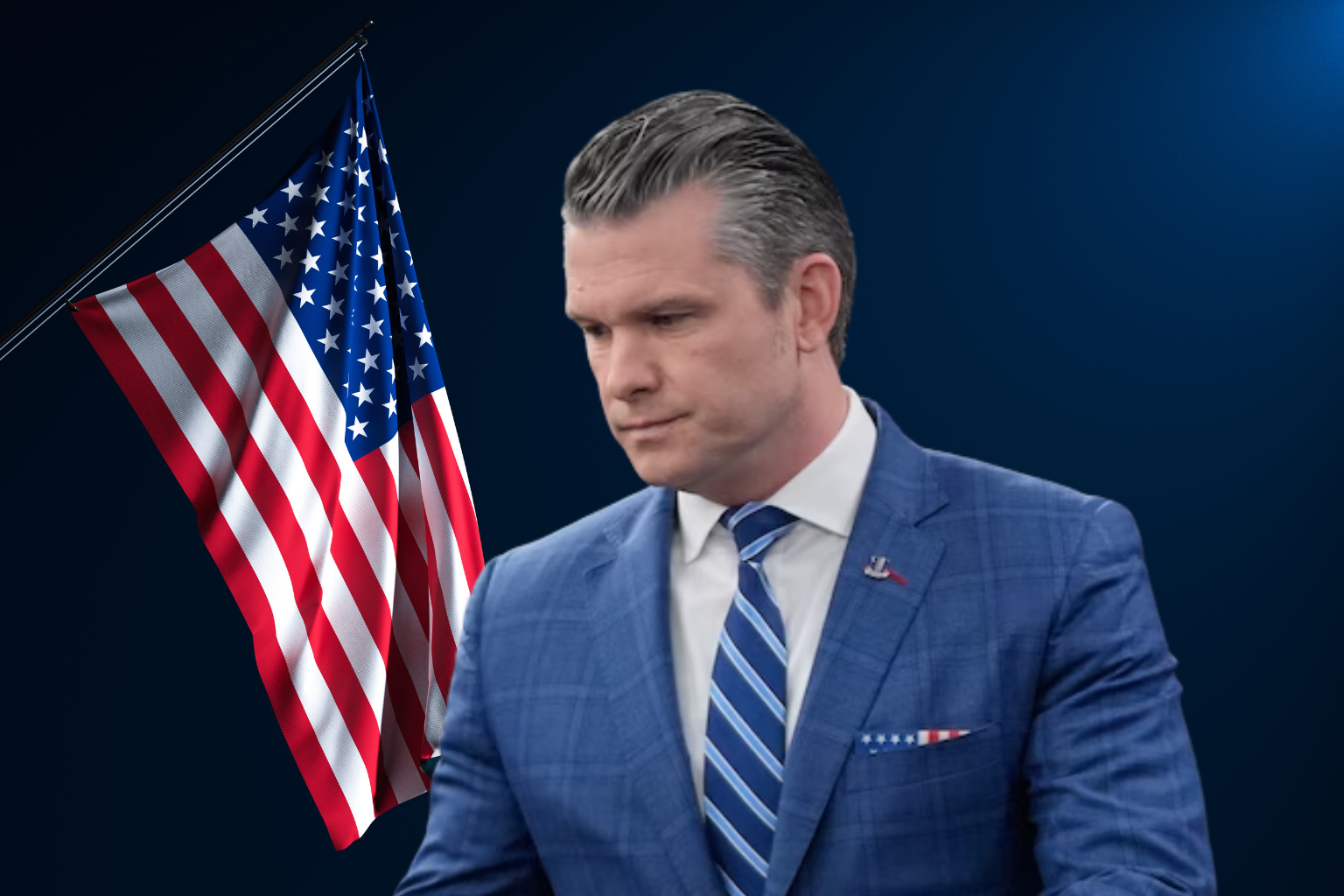
U.S. Defense Secretary Pete Hegseth delivered a sharp message to America’s global partners following the recent developments in the Iran conflict, raising concerns about the strength and reliability of international alliances during times of crisis.
Speaking during a press briefing on Wednesday, Hegseth addressed the outcome of the conflict, which recently saw the United States, Israel, and Iran agree to a two-week ceasefire ahead of a deadline set by President Donald Trump. The announcement came at a tense moment, just hours after the president warned that the situation could escalate dramatically.
Hegseth began his remarks on a somber note, recognizing the sacrifice of American service members who lost their lives during the conflict. He paid tribute to the 13 soldiers who died, calling their service part of a historic mission and assuring their families that their bravery would always be honored. His statement emphasized the human cost of the conflict while reinforcing the administration’s view of its significance.
However, the tone of the briefing shifted as Hegseth turned his attention to the role of U.S. allies. While he expressed strong appreciation for Israel, describing it as a capable and committed partner on the battlefield, he openly criticized other allied nations for their lack of involvement. His remarks suggested disappointment with what he described as limited support from countries traditionally aligned with the United States.
According to Hegseth, the recent conflict highlighted the difference between active participation and passive support. He suggested that some allies failed to step up when it mattered most, indicating that their actions—or lack of them—raised serious questions about the future of such partnerships. His statement that other allies should “take some notes” signaled frustration within the administration about burden-sharing in global conflicts.
The Defense Secretary also praised American troops for their performance, giving them full credit for the operational success achieved during the conflict. At the same time, he added a broader reflection, attributing the outcome to a higher purpose, which is a message often echoed in military and political speeches.
These comments come at a time when tensions between the United States and its NATO allies have been increasingly visible. During his second term, President Trump has repeatedly criticized NATO members, arguing that many countries rely too heavily on American military strength without contributing equally. The Iran conflict appears to have intensified these concerns within the administration.
Other senior officials have echoed similar views. Secretary of State Marco Rubio recently indicated that the United States may reconsider its relationship with NATO after the situation with Iran stabilizes. This signals a possible shift in U.S. foreign policy, where alliances could be evaluated based on direct support during conflicts rather than long-standing agreements alone.
When asked about America’s commitment to NATO’s collective defense principle, Hegseth avoided giving a definitive answer. Instead, he stated that such decisions ultimately rest with the president, while noting that recent events have revealed important truths about the current state of alliances.
His earlier remarks last week further reinforced this position, as he questioned the strength of alliances where member countries are unwilling to stand together during critical moments. This perspective reflects a broader debate within U.S. leadership about the value and expectations of international partnerships in modern conflicts.
Despite these tensions, existing U.S. law places limits on how quickly such alliances can be altered. A law passed in 2023 requires either a two-thirds vote in the Senate or approval from Congress for any move to withdraw from NATO, ensuring that major decisions about alliances involve multiple branches of government.
The latest statements from the Defense Secretary highlight a growing divide between the United States and some of its allies, particularly in how responsibilities are shared during military conflicts. As the ceasefire with Iran continues, attention is likely to shift toward how these relationships evolve and whether they will be reshaped in response to recent events.
Sources:
U.S. Department of Defense
U.S. State Department
Official statements from the Trump Administration