Trump’s Late‑Night Post Targeting Supreme Court Sparks Intense Online Reaction
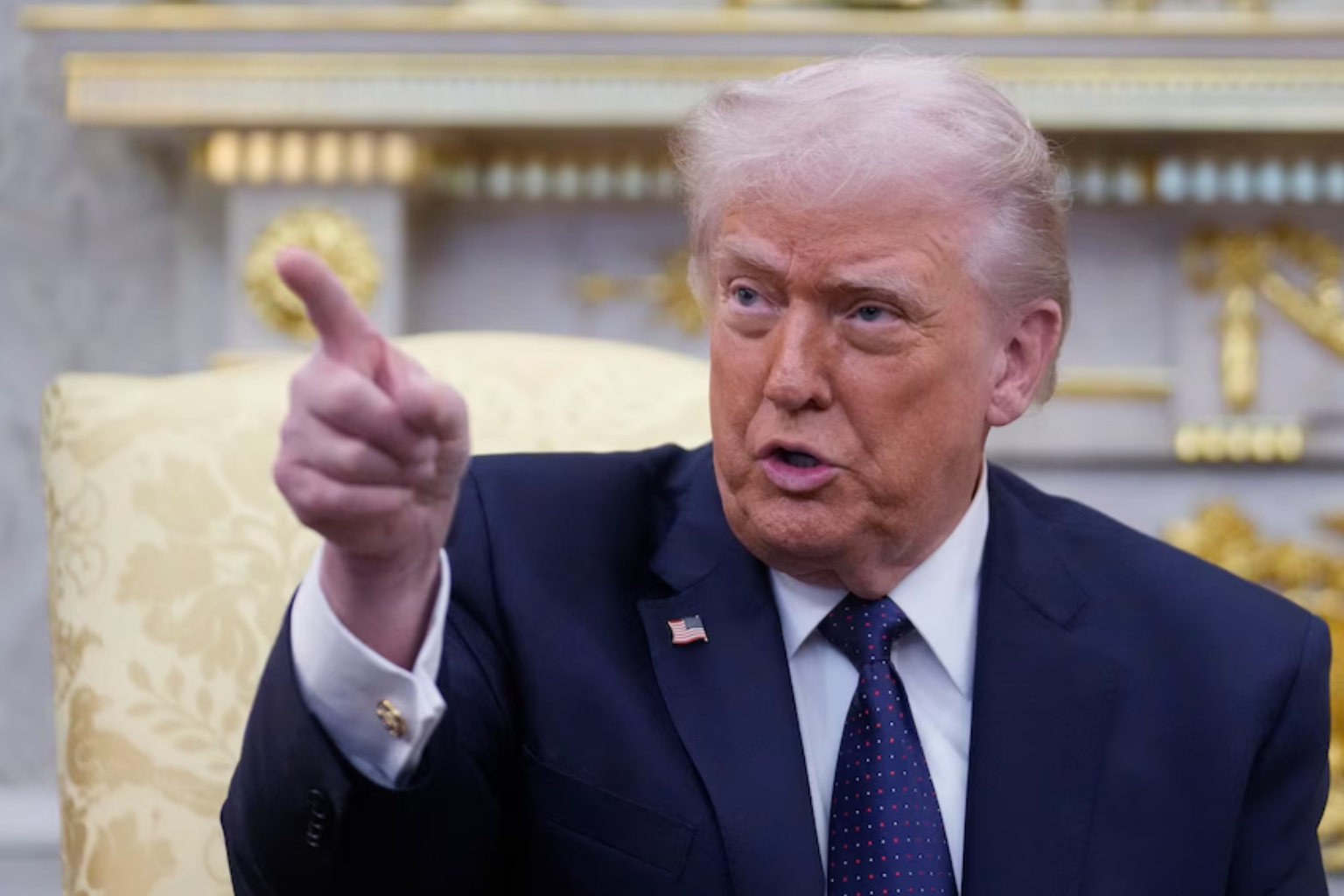
Following a recent tariff verdict, former US President Donald Trump published a long late-night letter criticizing the US Supreme Court, which sparked a surge of online backlash. Political pundits, legal watchers, and social media users swiftly took notice of the statement, which was posted on his social media platform Truth Social, and responded angrily to his comments.
The Supreme Court’s recent ruling that invalidated the majority of Trump’s expansive tariff policies implemented during his presidency was the main topic of his nearly 500-word speech. The judges ruled, 6–3, that the previous president had overreached his legal power when he tried to apply the tariffs under a statute intended for national emergencies.
In the article, Trump bemoaned the court’s ruling and said that tariffs were the most crucial component of his economic policy. He stated that the decision might cost the US trillions of dollars and help foreign nations and businesses who, in his opinion, have long exploited the US economy. Trump claims that the court decided against the idea despite being fully aware of his strong support for it.
Trump stated that he still has the power to impose tariffs in other ways and asserted that actions have already been taken to continue pursuing that objective, notwithstanding his criticism of the decision. A temporary 10 percent tariff on goods from numerous nations under Section 122 of the Trade Act of 1974, which permits limited tariff action under specific conditions, was one of the potential legal procedures he mentioned.
In his speech, Trump also thanked Samuel Alito, Clarence Thomas, and Brett Kavanaugh, three Supreme Court judges who backed him in the case. Simultaneously, he attacked other justices on the court, claiming that justices nominated by Democratic presidents frequently cast unanimous votes in significant rulings. Trump contrasted this with Republican-appointed justices, saying that in order to seem independent, they occasionally rule against the presidents who nominated them.
The former president seems to allude to Justices Amy Coney Barrett and Neil Gorsuch, who both joined the majority ruling in the case but were nominated during his term. Chief Justice John Roberts, who was nominated by Republican President George W. Bush, also sided with the majority against Trump’s tariff policy.
Trump’s criticism of the court grew sharper as the post continued. He described the United States as having been “unnecessarily ransacked” by the court and accused the institution of acting like a political organization rather than an impartial judicial body. He also criticized the court for previously declining to hear several cases related to his claims about the 2020 presidential election.
According to Trump, the Supreme Court in its current form does not reflect what the nation’s founders intended when establishing the judicial branch. He argued that its decisions are harming the country and warned that the situation could continue if the court maintains its current approach.
The lengthy message quickly circulated across social media platforms, where many commentators and political observers responded. Several critics expressed concern about the tone and content of the post, while others used it as an opportunity to criticize Trump’s broader approach to politics and governance.
Dan Pfeiffer, co‑host of the political podcast “Pod Save America,” reacted on the social media platform X by sarcastically referring to Trump as the type of leader people would want during difficult national moments such as war or economic challenges.
Other users also voiced strong opinions. One commenter argued that a serious discussion would eventually be necessary about how Congress should handle future situations involving presidential authority. Another user joked that Trump’s ability to post long messages without character limits appeared to have reduced the impact of his usual online style.
Some critics used even stronger language. Brett Meiselas, co‑founder of the progressive network Meidas Touch, wrote that Trump appeared to be “crashing out” and criticized those who continue to support him politically.
Conservative lawyer George Conway also weighed in on the controversy, suggesting that Trump displays significant personality issues that he believes have not received enough attention from the media or political figures.
Trump later shared another lengthy message in which he repeated his claim that courts treat him and other Republican politicians unfairly. In that follow‑up post, he argued that the judicial system has become highly politicized and suggested that the identity of the judge often matters more than the legal details of a case.
The conversation demonstrates the ongoing hostilities that exist between Trump and several U.S. government agencies, most notably the court. It also demonstrates how political disputes increasingly unfold across social media platforms, where statements from major political figures can quickly generate national debate and strong reactions from supporters and critics alike.
As discussions around the Supreme Court ruling and Trump’s response continue, the controversy illustrates the broader political divisions that remain prominent in American public life.
Sources
Truth Social
United States Supreme Court
Trade Act of 1974
Pod Save America Podcast
Meidas Touch Network