Trump Team Weighs Foreign Funding Model as Iran War Costs Surge
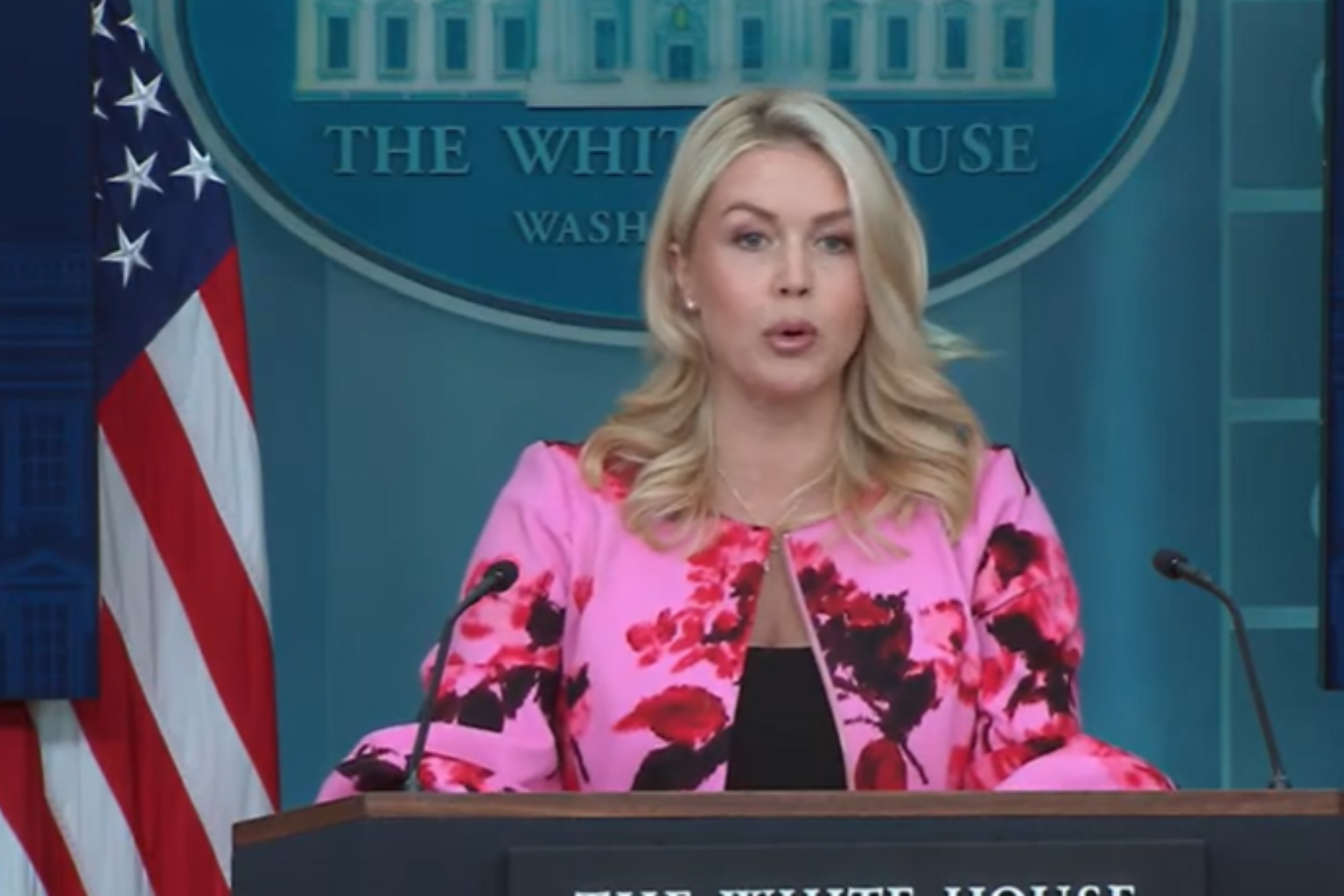
The cost of the ongoing military operation involving the United States and Iran is quickly becoming a central issue in Washington, as officials explore how such a large-scale conflict could be funded. During a recent White House briefing, press secretary Karoline Leavitt indicated that Donald Trump is open to revisiting a past strategy where allied nations helped shoulder the financial burden of war.
Leavitt’s comments came after questions about whether countries in the Middle East might again contribute financially, similar to what happened during the Gulf War. At that time, nations such as Kuwait, Saudi Arabia, and the United Arab Emirates covered a large portion of the total costs, significantly reducing the financial load on the United States. Leavitt did not confirm any final decision but suggested that the idea is under consideration and may be discussed more openly in the near future.
The financial stakes are high. According to internal discussions, the Department of Defense has requested more than $200 billion from Congress to support the Iran operation. This figure highlights the scale and intensity of the conflict, raising concerns among policymakers about long-term economic impacts.
Historical comparisons are shaping current thinking. During the Gulf War, the total cost was estimated at around $61 billion, with U.S. allies contributing approximately $54 billion. Gulf nations funded about two-thirds of that amount, while countries like Germany and Japan provided additional support. The United States ultimately paid a much smaller share, roughly 12 percent, based on Pentagon estimates. This precedent is now being viewed as a possible model for managing today’s significantly larger expenses.
At the same time, there are discussions in political circles about whether domestic spending adjustments could help offset war costs. Reports suggested that some Republican lawmakers are considering reductions in federal health spending as a possible solution. However, Leavitt clarified that she has not heard of such proposals being seriously discussed at senior levels within the White House, indicating that no firm policy direction has been established on that front.
On the diplomatic side, Trump has stated that the United States is engaged in what he described as “serious discussions” with a potentially new and more cooperative leadership in Iran. He expressed optimism about reaching an agreement that could bring the conflict closer to an end. However, he also issued a strong warning that if progress stalls, the U.S. could take further military action targeting key infrastructure, including energy facilities.
The current military campaign, which began on February 28 as a joint effort between the United States and Israel, is still expected to follow its initial timeline of four to six weeks. Officials have reiterated that this timeframe remains unchanged, even as both military and financial strategies continue to evolve.
As the situation develops, the question of who ultimately pays for the war remains unresolved. With rising costs, ongoing diplomatic efforts, and potential involvement from international partners, the financial strategy behind the conflict is becoming just as important as the military objectives themselves.
Sources:
The White House
Department of Defense
The Washington Post
Axios