Trump Signals Rising Prices Will Be the Central Battle of the 2026 Midterms
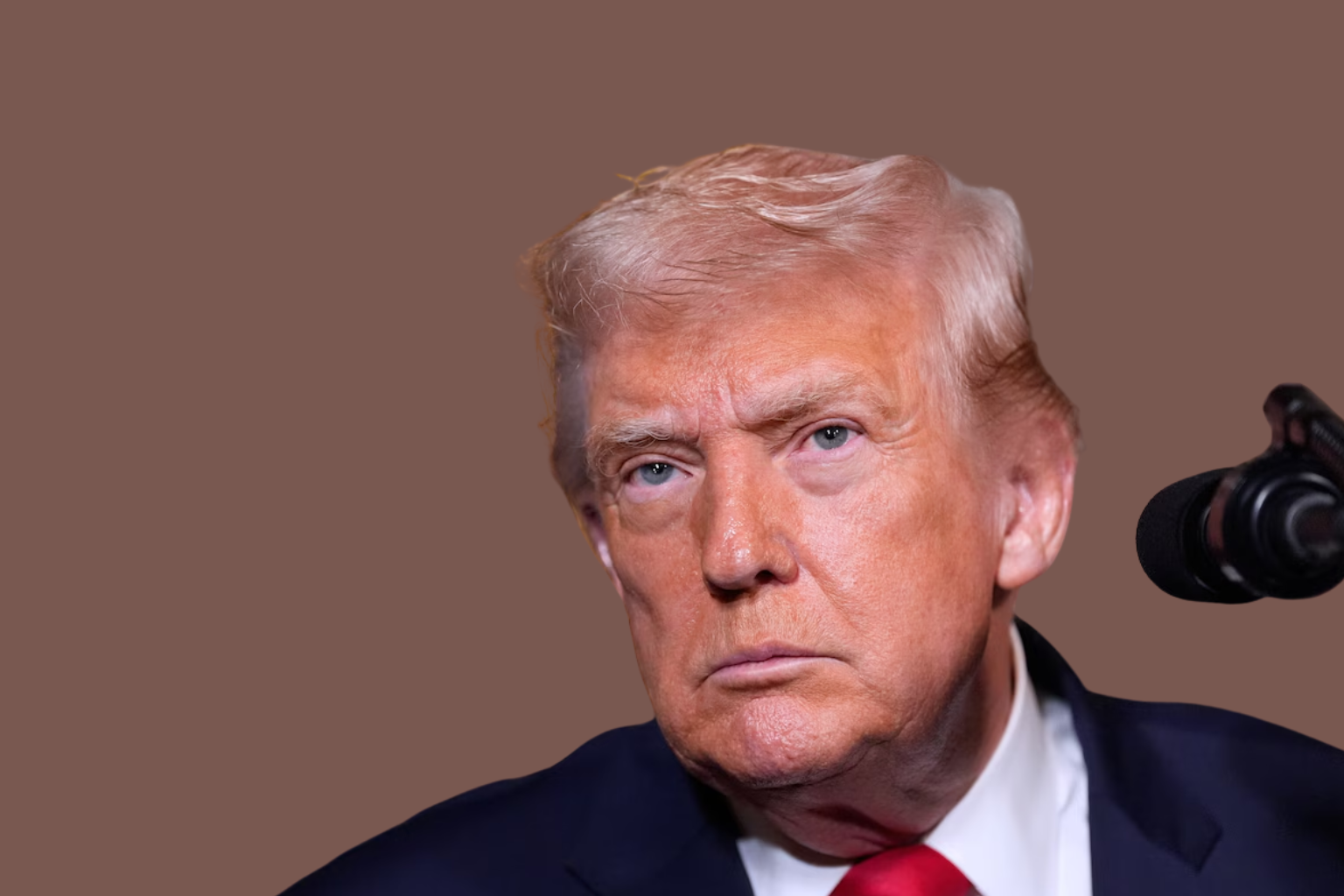
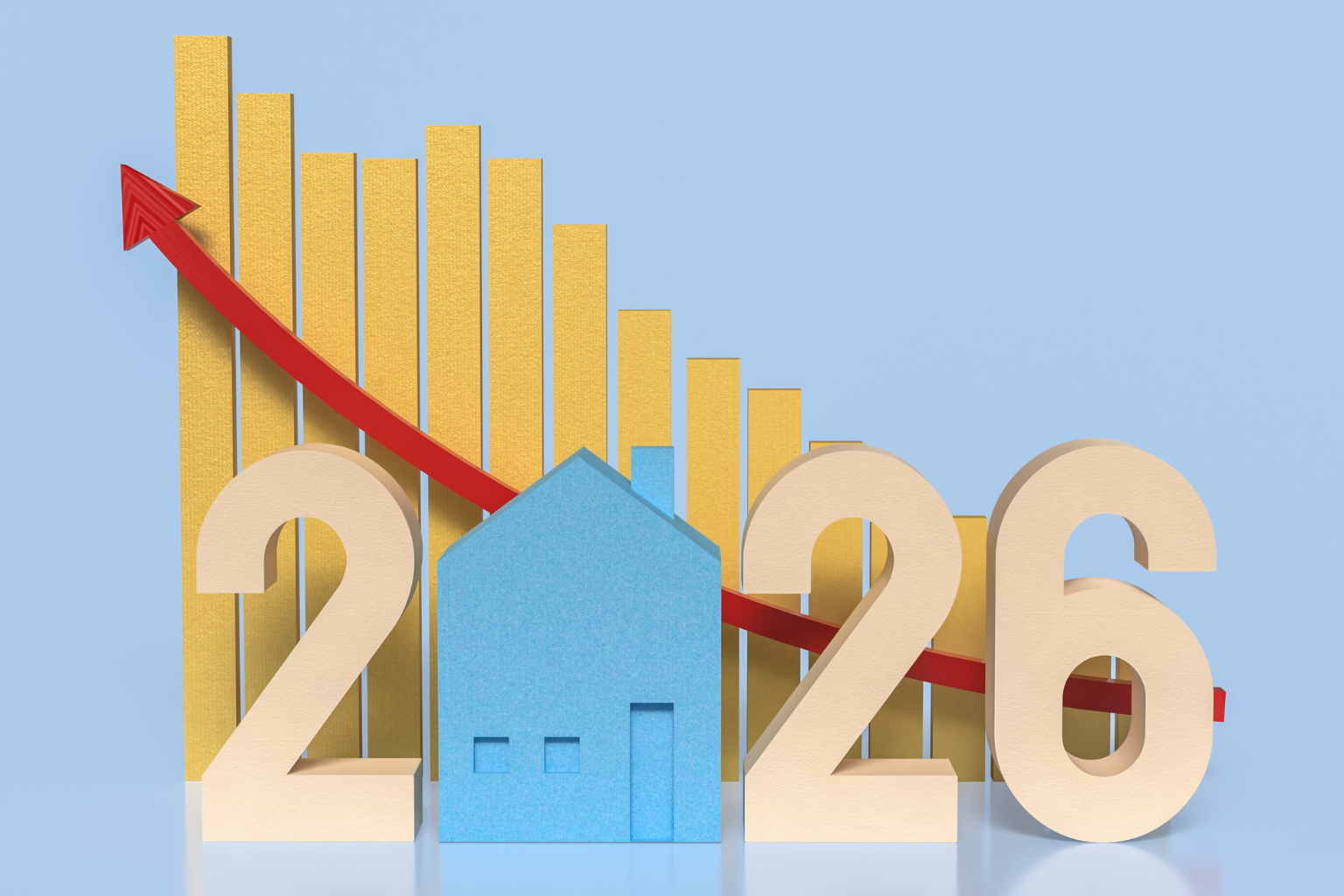
President Donald Trump has made it clear what he believes will define the 2026 midterm elections, and in his view, it all comes down to the cost of living. In a recent interview, the president said that pricing and affordability will dominate voters’ decisions as Americans judge whether everyday expenses are truly coming down under his leadership.
Trump argued that his administration is reversing what he describes as economic damage left behind by the previous government. He claimed that prices across key sectors are falling, with energy costs leading the way. According to Trump, lower oil and gas prices are already reducing gasoline costs, which in turn naturally brings down electricity prices. He presented this as a chain reaction that benefits households and businesses alike, repeatedly stressing that prices are moving in the right direction and doing so quickly.
These remarks come at a moment when official economic indicators show some improvement. Inflation cooled in November, and the U.S. economy posted strong growth in the third quarter of the year. From the administration’s perspective, these figures support the argument that economic conditions are stabilizing and that policy changes are beginning to show results.
However, public opinion paints a more complicated picture. Multiple recent national polls suggest that many Americans remain unconvinced that their personal financial situation has improved. Surveys conducted by major polling organizations show that a large portion of voters do not expect their household finances to get better in the coming year. Fewer than one in five respondents say the president’s policies have helped them financially so far, and a majority continue to rate the overall economy negatively.
Trump’s approval ratings on economic management reflect this skepticism. Several polls released this month show his economic approval at some of the lowest points of his presidency. While the exact figures vary, the overall trend indicates that many voters believe the economy is still struggling and feel that the administration’s focus may be directed elsewhere.
In response, Trump has increasingly centered his public messaging on affordability. Over the past month, he has held rallies in key battleground states such as Pennsylvania and North Carolina with a strong emphasis on economic issues. He also addressed the nation in a prime-time speech, insisting that high prices are falling “very fast” and highlighting what he described as record-breaking investment flowing into the United States. During that address, he painted a picture of a country on the verge of a major economic boom, contrasting current conditions with what he characterized as a nation close to failure just one year ago.
This shift in tone marks a noticeable change from earlier rhetoric in which Trump had dismissed concerns about affordability as politically motivated. Now, the president is placing the issue at the center of his argument for continued Republican control of Congress, framing the 2026 midterms as a referendum on whether voters believe his economic approach is delivering real relief.
Alongside economic issues, Trump also used the interview to press for changes in how Congress operates. He again called on Senate Republicans to eliminate the filibuster, arguing that it has repeatedly blocked his agenda and contributed to government shutdowns. According to Trump, removing the filibuster would allow lawmakers to pass major legislation more efficiently, including healthcare reforms and other priorities, without the constant threat of legislative gridlock.
As the 2026 elections draw closer, affordability is shaping up to be a central political fault line. While the White House points to easing inflation and lower energy costs as proof of progress, many voters are still waiting to feel those improvements in their daily lives. How this gap between economic data and public perception evolves may ultimately determine whether pricing and cost-of-living concerns truly become the decisive issue Trump predicts.
Sources:
The White House
U.S. Bureau of Economic Analysis
U.S. Bureau of Labor Statistics
U.S. Senate Official Records