Trump Issues Stark Warning to GOP Lawmakers Over Controversial Voting Bill
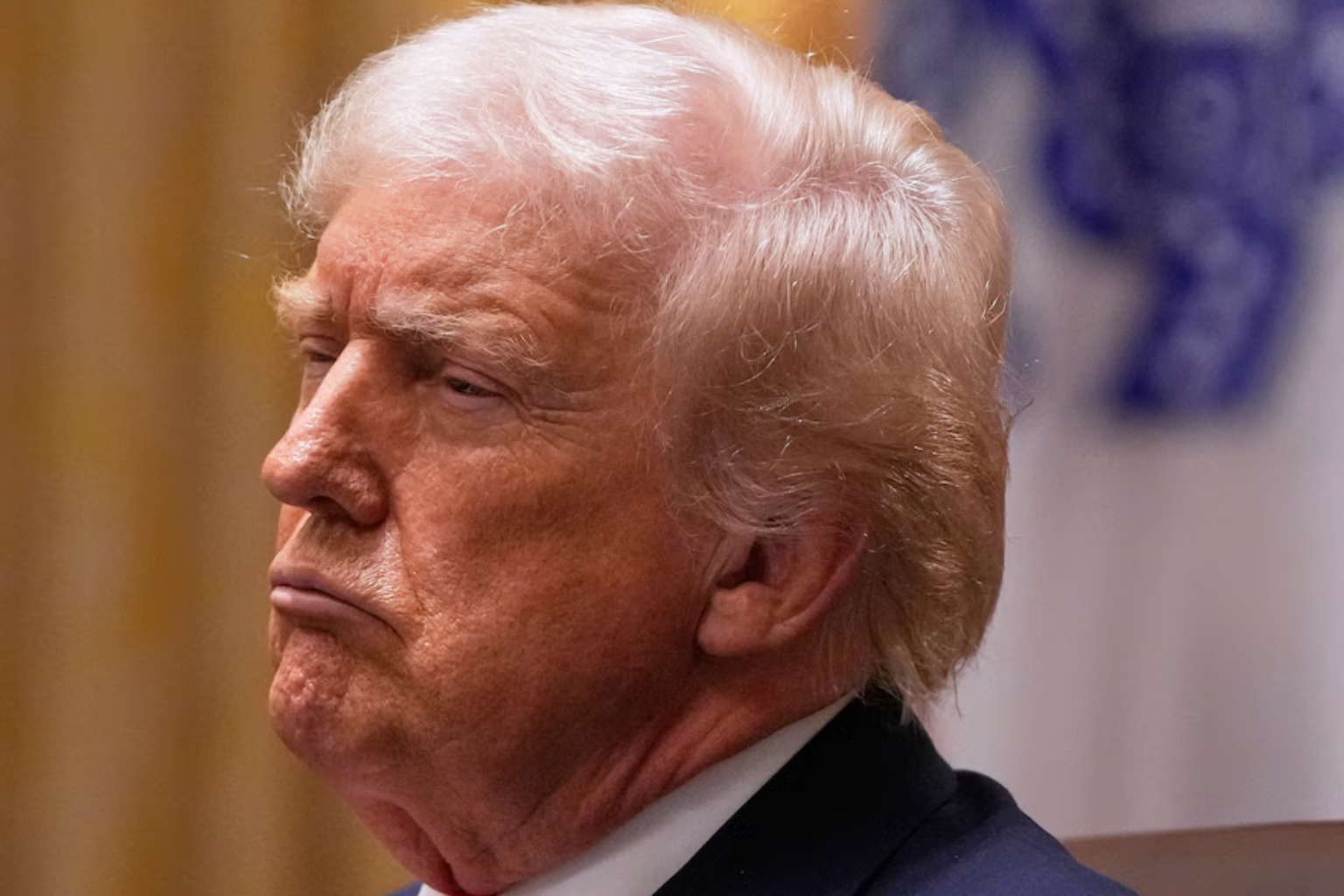
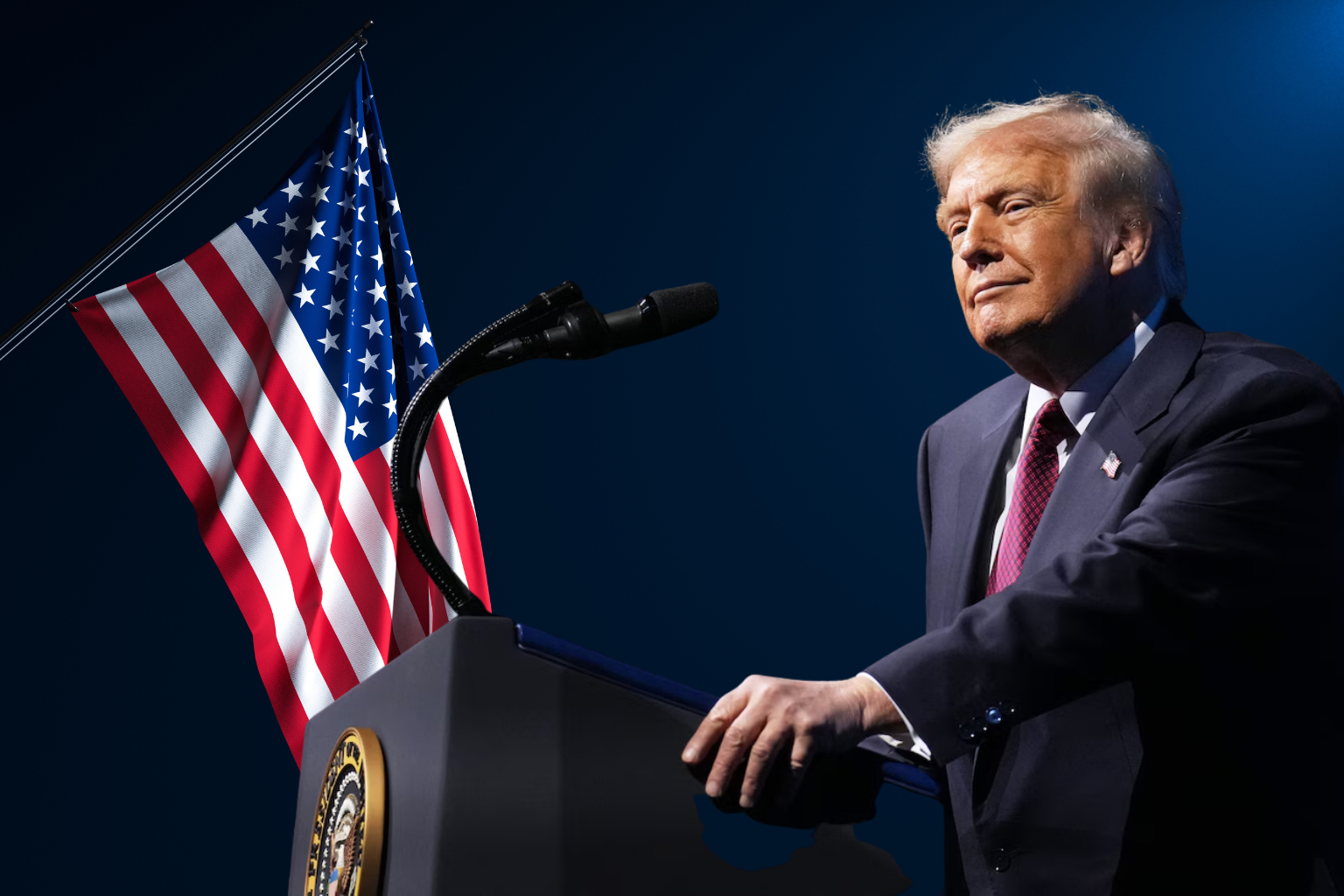
Donald Trump, the former president of the United States, has increased pressure on Republican lawmakers, threatening to withhold his backing in future elections if a member declines to support a crucial voting reform. His comments coincide with the intensifying discussion surrounding the Safeguard American Voter Eligibility (SAVE) Act, a bill that has already cleared the House of Representatives but will confront formidable obstacles in the Senate.
In a public statement, Trump clarified his stance, describing the legislation as one of the most significant election-related policies in American history. He emphasized that the bill is necessary to guarantee what he calls safe and equitable voting procedures. The proposal’s main component is the need that all citizens of the United States present evidence of citizenship in order to cast a ballot in federal elections.
The bill represents a larger Republican campaign for more stringent voting laws and passed the House mostly along party lines. Proponents contend that these actions are required to stop election fraud and rebuild trust in the voting process. This position was heavily backed by Trump, who presented the proposal as a crucial step toward getting rid of what he has often said are flaws in the way that voting is currently done.
The matter is still hotly debated, though. Critics contend that there are very few cases of voter fraud in the US and that current rules already forbid non-citizens from taking part in federal elections. They caution that adding more documentation requirements would put eligible voters at a disadvantage, especially those who might find it difficult to get official documents like birth certificates or passports.
The Republican Party is under further political pressure as a result of Trump’s threat to lawmakers. He is indicating that support for the measure may play a significant role in upcoming political contests by openly declaring that he will not back candidates who reject the bill. His message seems to be intended to influence future elections by explicitly linking legislative outcomes to political support, in addition to strengthening party unity.
The SAVE Act has a challenging road ahead in the Senate despite passing the House. Bipartisan backing is required since the legislation would need at least 60 votes to move forward under the present procedures. With a slim majority held by Republicans, the bill is unlikely to succeed without the support of Democratic senators, who have generally voiced opposition to the proposal.
The circumstance brings to light persistent disagreements in Washington on how to strike a balance between voter access and election security. Democrats and proponents of voting rights are still worried about the possible effects on voter turnout, while Republicans are still pushing for more stringent identification and verification measures.
The political stakes are increasing as the bill advances to the next stage of the parliamentary process. It is evident that the conclusion of this legislation might have long-term effects on election rules as well as the internal dynamics of the Republican Party due to Trump’s active involvement and aggressive statements, which have further exacerbated the discussion.
Sources
Official statements and legislative updates from U.S. federal government proceedings and public communications.