Trump Draws Fire After Saying Oil Companies Were Briefed Ahead of Venezuela Military Operation
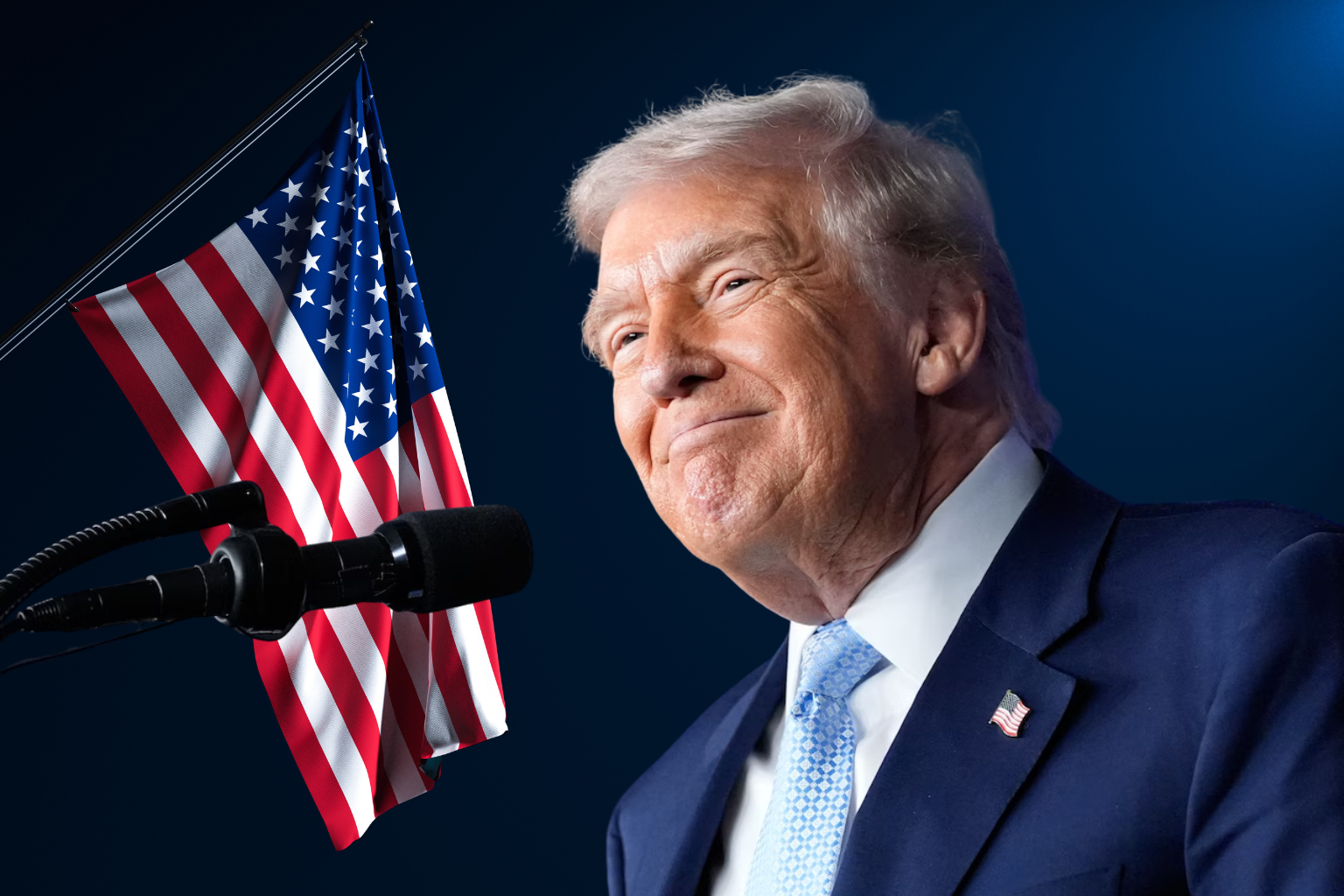
during revealing that oil firms were briefed before and during a significant U.S. military intervention in Venezuela, President Donald Trump has faced widespread backlash and fresh discussion regarding openness, authority, and motive.
Trump claimed the US launched a massive military strike in Venezuela over the weekend. The operation captured Venezuelan leader Nicolás Maduro and his wife from their military base house. The move instantly prompted concerns in Washington, particularly among Democrats who said Congress was neither alerted or asked to authorize it.
Trump told reporters on Air Force One on Sunday that oil firms had been notified of the strike, deepening the dispute. Trump said oil firms were told before and after the operation. He stated that these corporations intended to enter Venezuela and would benefit the Venezuelan people while supporting U.S. interests.
Many online and political figures criticized those remarks, citing the contrast between notifying private oil interests and not informing Congress. Critics said Congress should have been notified first of a military action of this scope, not corporations.
Democratic activists and politicians publicly denounced the comments. They called the situation disturbing and accused the administration of favoring big contributors and corporations over constitutional procedure. Some called the action autocratic and warned that it muddled national security with corporate economic interests.
The criticism also renewed Maduro and his allies’ allegations that U.S. enmity toward Venezuela is fuelled by its massive oil and mineral riches. Even while the operation’s legality and necessity are questioned, Trump’s comments about briefing oil firms fueled those suspicions.
After Maduro’s detention, Trump said the US would temporarily “run” Venezuela. However, Secretary of State Marco Rubio underlined that the U.S. would not oversee daily government. He said the US would only enforce an oil quarantine, not take over internal management.
Trump made remarks on the same aircraft that suggested a broader perspective of American strength in the region. He sharply lambasted Colombia’s president, Gustavo Petro, for drug production and threatened harder measures. These words raised concerns about western hemisphere tensions.
The government is under pressure to explain why Congress was not told before the operation and why private oil corporations were included in wartime briefings. The episode has raised questions about how and who makes critical foreign policy choices.
Trump’s statements have insured that authority, accountability, and influence will remain central to political discourse in the coming days.
Sources:
U.S. Department of Defense
U.S. Department of State
White House Statements