Trump Delivers Record-Setting Address to Argue America Is Back on Top
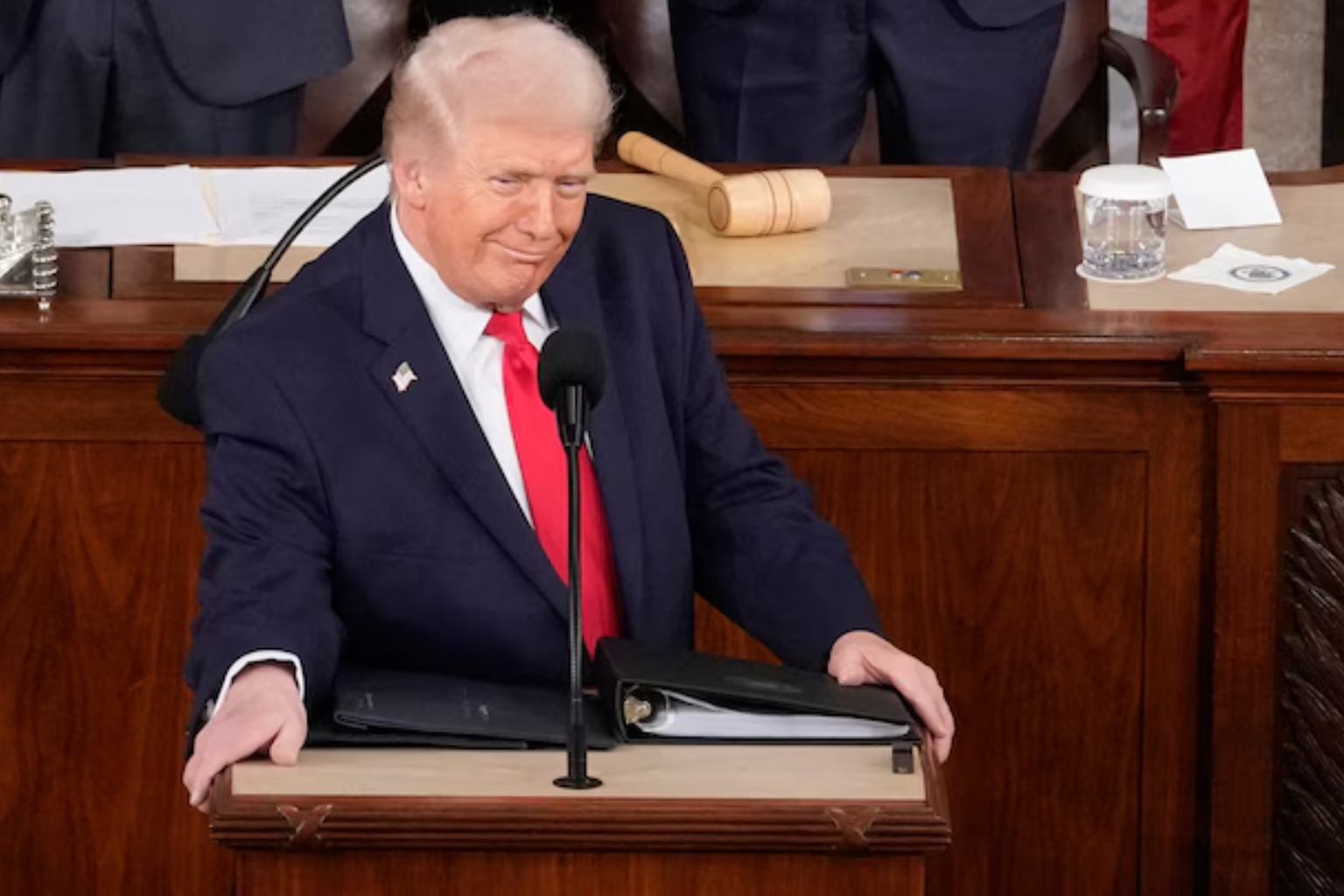
Washington—President Donald Trump gave the longest State of the Union speech in history to argue that the US is “winning” again at home and internationally. The president addressed a joint session of Congress for 108 minutes, reassuring people about the economy, defending his foreign policies, and rallying Republican support for the midterms.
The eight-minute speech shattered his own record and was a high-stakes moment for his administration as public approval levels fall. Trump kept a confident tone throughout the evening, saying that his actions have strengthened the economy and changed America’s global role.
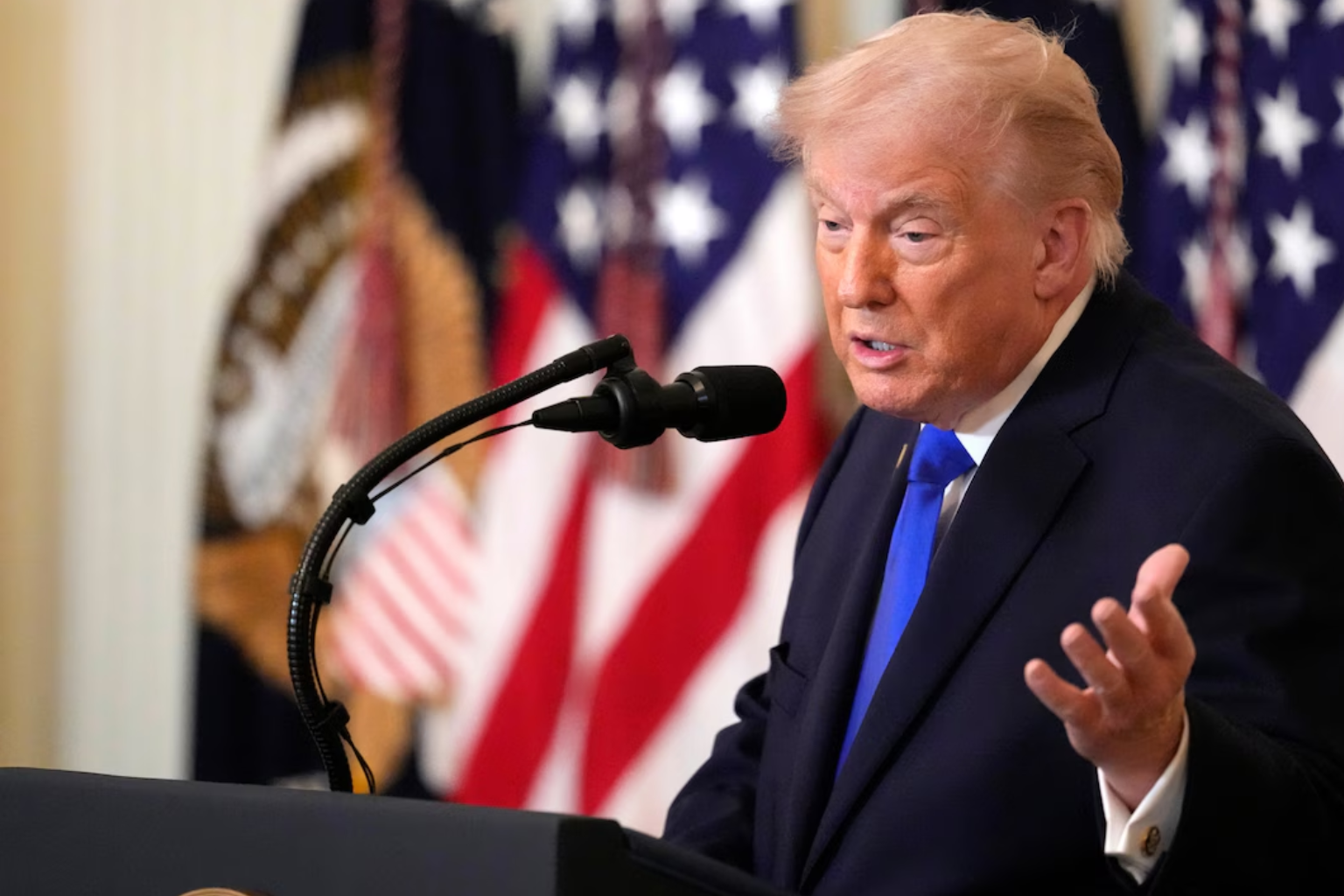
The president repeatedly declared the country is succeeding, drawing Republican acclaim. “We’re winning so much,” he said, indicating that his economic and foreign policy plans are working. Despite avoiding campaign-style hyperbole, Trump blasted Democrats on immigration, trade, and inflation.
His theme emphasized economic growth. Even after the Supreme Court struck down some tariffs, Trump maintained that his trade and tariff policies protect American interests. Calling the ruling “unfortunate,” he said he would use other legal authorities. Only Chief Justice John Roberts and Associate Justices Brett Kavanaugh, Amy Coney Barrett, and Elena Kagan were in the chamber. Despite previous public differences, Trump greeted the justices before speaking.
The president claimed that foreign nations pay tariffs and that they strengthen the nation. Critics fear that such policies may boost American consumer and company prices. Late last year, economic growth stalled, and many families worry about affordability. Trump blamed former President Joe Biden and Democratic lawmakers for rising living costs, accusing them of mismanaging the economy before he took office.
Immigration policy was another major topic. Trump urged lawmakers from both parties to prioritize Americans over undocumented immigrants and supported stronger voter ID rules and mail-in ballot limits. While Democrats shouted during the address, he justified these measures as vital for national security and election integrity.
The evening was tense. After holding a protest sign early in the talk, Democratic Rep. Al Green was hauled out. Other members intervened, demonstrating the chamber’s party division.
Still, Trump combined policy points with TV-friendly gestures. The U.S. men’s Olympic hockey team was brought into the chamber, receiving a rare bipartisan standing ovation. He unexpectedly awarded goaltender Connor Hellebuyck the Presidential Medal of Freedom, the nation’s highest civilian honor. While serving in Washington, National Guard soldier Andrew Wolfe was injured and received the Purple Heart. Trump’s prior speech honoring Rush Limbaugh had a similar emotional moment.
Trump emphasized U.S. military and diplomatic initiatives abroad. He mentioned airstrikes against Iran’s nuclear capabilities and said he would never let them have one. He supported diplomacy but stood hard on national security. The president also complimented his administration for brokering a ceasefire between Israel and Hamas and for influencing Venezuelan President Nicolás Maduro’s political moves.
Democratic leaders, including Virginia Governor Abigail Spanberger, slammed Trump’s policies after the address. They criticized his hardline immigration stance, tariff intentions, and federal program cuts. While some tariffs were subsequently overturned by the Supreme Court, Spanberger maintained that they had already hurt Americans economically. She called tariff measures “another massive tax hike” that might raise family expenditures.
Despite partisanship, Trump’s message focused on patriotism, achievement, and American power. He constantly touted domestic and foreign triumphs, portraying the US as a world leader and asking Congress to back his program. His address aimed to convince people that his administration is protecting U.S. interests in trade and national security.
The president also addressed technological and energy challenges, encouraging AI tech companies to pay more for data center energy. He believed this would ensure fair energy distribution and decrease community hardship. Trump also briefly addressed prescription drug prices, implying that his leadership could avoid price spikes and protect American people.
The record-breaking State of the Union included policy announcements, political messages, and symbolic gestures to appeal to a wide audience. It attempted to reassure Americans of economic stability, emphasize military and diplomatic triumphs, and underscore Trump’s central narrative that America is enjoying unparalleled “wins” under his leadership. This approach’s appeal to voters before the midterms will be crucial in the coming months.
Sources:
- Official transcripts of the State of the Union, U.S. Congress
- U.S. Supreme Court public announcements
- Statements from the Office of the Governor of Virginia
- Public remarks and press releases from the U.S. Department of Defense