Trump Criticizes Supreme Court Justices After Tariff Ruling Sparks Economic Debate
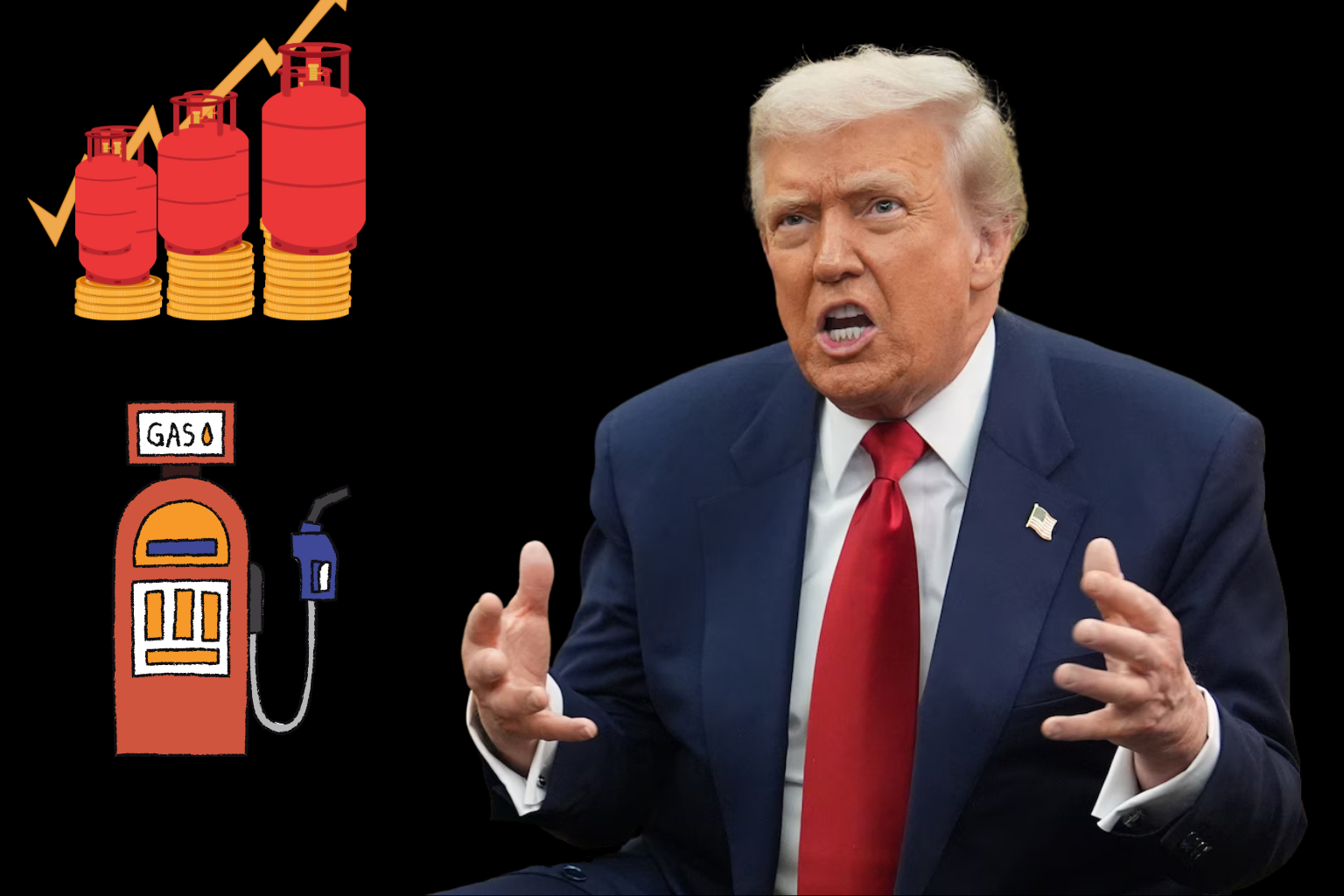
Former U.S. President Donald Trump strongly criticized members of the Supreme Court of the United States on Wednesday, blaming the court’s recent ruling against his tariff policy for what he described as massive financial losses to the country. Speaking at a Republican fundraising dinner in Washington, Trump expressed frustration not only with the decision itself but also with two justices he had personally appointed during his presidency.
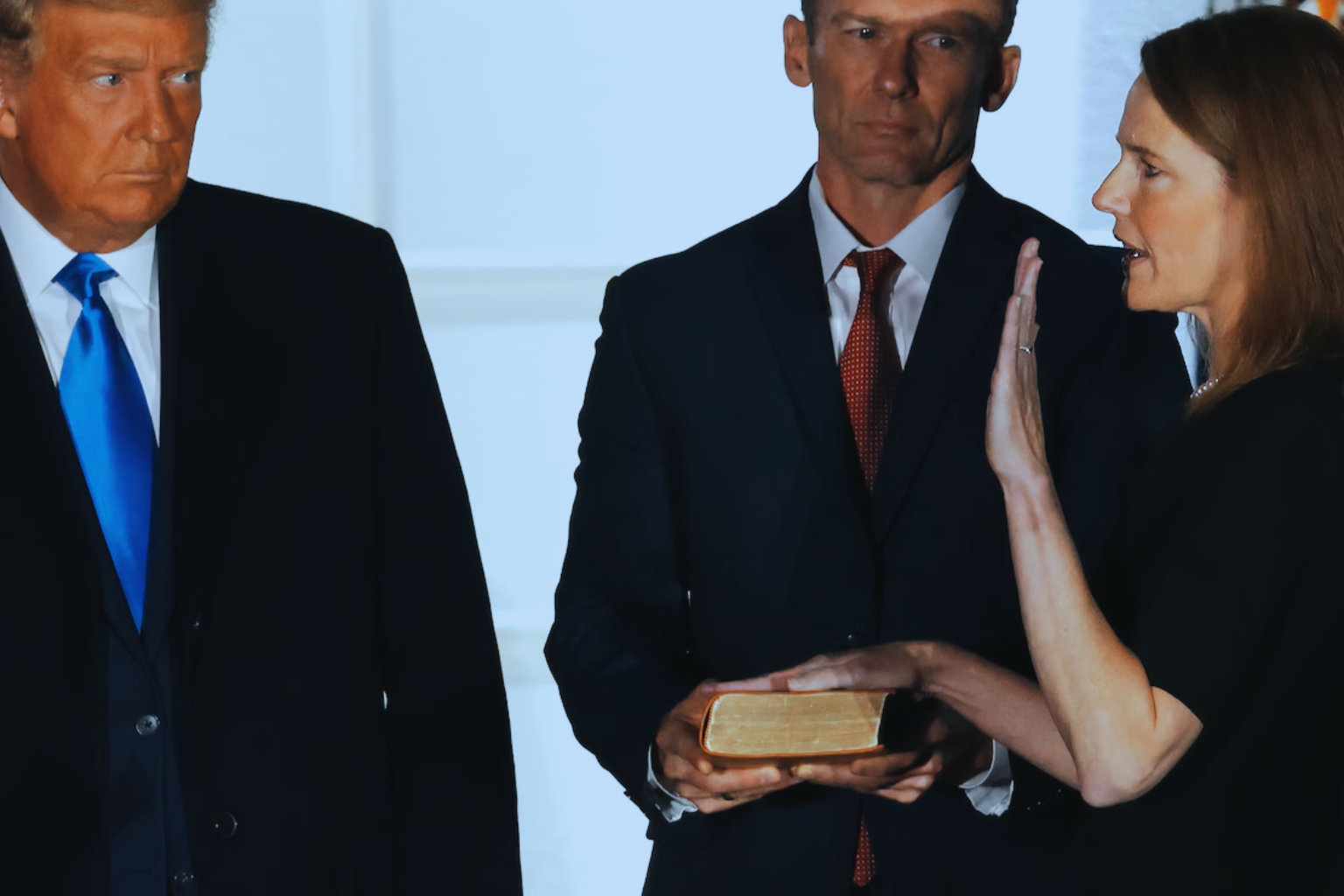
During his remarks, Trump said the court’s actions were costing the United States “hundreds of billions of dollars,” arguing that certain judicial decisions are harming the nation’s economic interests. He specifically voiced disappointment in Amy Coney Barrett and Neil Gorsuch, both of whom were nominated by him and later voted with the majority to strike down his tariff plan. Without naming them directly in his speech, Trump made it clear that their decision left him deeply dissatisfied, stating that their actions were “bad for our country.”
The controversy stems from a 6-3 Supreme Court decision issued on February 20, which invalidated Trump’s sweeping global tariffs. The court determined that Trump had exceeded his presidential authority by using a law intended for national emergencies to impose broad import taxes. Writing for the majority, Chief Justice John Roberts emphasized that the U.S. Constitution grants Congress—not the executive branch—the authority to impose taxes, including tariffs. This constitutional interpretation became the foundation for the ruling that ultimately blocked Trump’s policy.
Not all conservative justices agreed with the decision. Brett Kavanaugh, also appointed by Trump, joined Samuel Alito and Clarence Thomas in dissent. However, their opposition was not enough to change the outcome, as the majority opinion held firm in limiting executive authority over trade-related taxation.
Following the ruling, Trump intensified his criticism of the court both publicly and on social media. In a message posted shortly after the decision, he accused the majority of making harmful choices for the country’s future, while praising the three dissenting justices. Despite the legal setback, Trump has continued to push forward with his trade agenda using alternative legal tools.
Just days after the ruling, Trump introduced a temporary 10% tariff on imports from multiple countries under the Trade Act of 1974. This move was seen as an attempt to maintain pressure on international trade while staying within a different legal framework. However, economic experts and government analysts have raised concerns about the broader impact of such policies.
According to a recent report by the Congressional Budget Office, increased import taxes tend to raise the cost of goods for both businesses and consumers in the United States. The report indicated that while some of the tariff burden may initially be absorbed by importers, the full cost is eventually passed on to consumers through higher prices. This has added to growing public concern about inflation and the overall economic impact of tariff-based trade strategies.
Public opinion data also reflects this concern. Recent polling analysis by political statistician Nate Silver shows that Trump currently holds negative approval ratings on key economic issues, including trade and overall economic management. These figures suggest that a significant portion of Americans remain uneasy about the long-term effects of tariff policies on the national economy.
The Supreme Court’s decision and Trump’s response highlight an ongoing tension between executive power and constitutional limits. As Trump continues to advocate for aggressive trade measures, the legal and economic debate surrounding tariffs is likely to remain a central issue in American politics.
Sources
Official statements and rulings from the Supreme Court of the United States
Congressional Budget Office economic outlook report (2026–2036)