Trump Allies Float Plan to Expand ICE Role From Airports to Future U.S. Elections
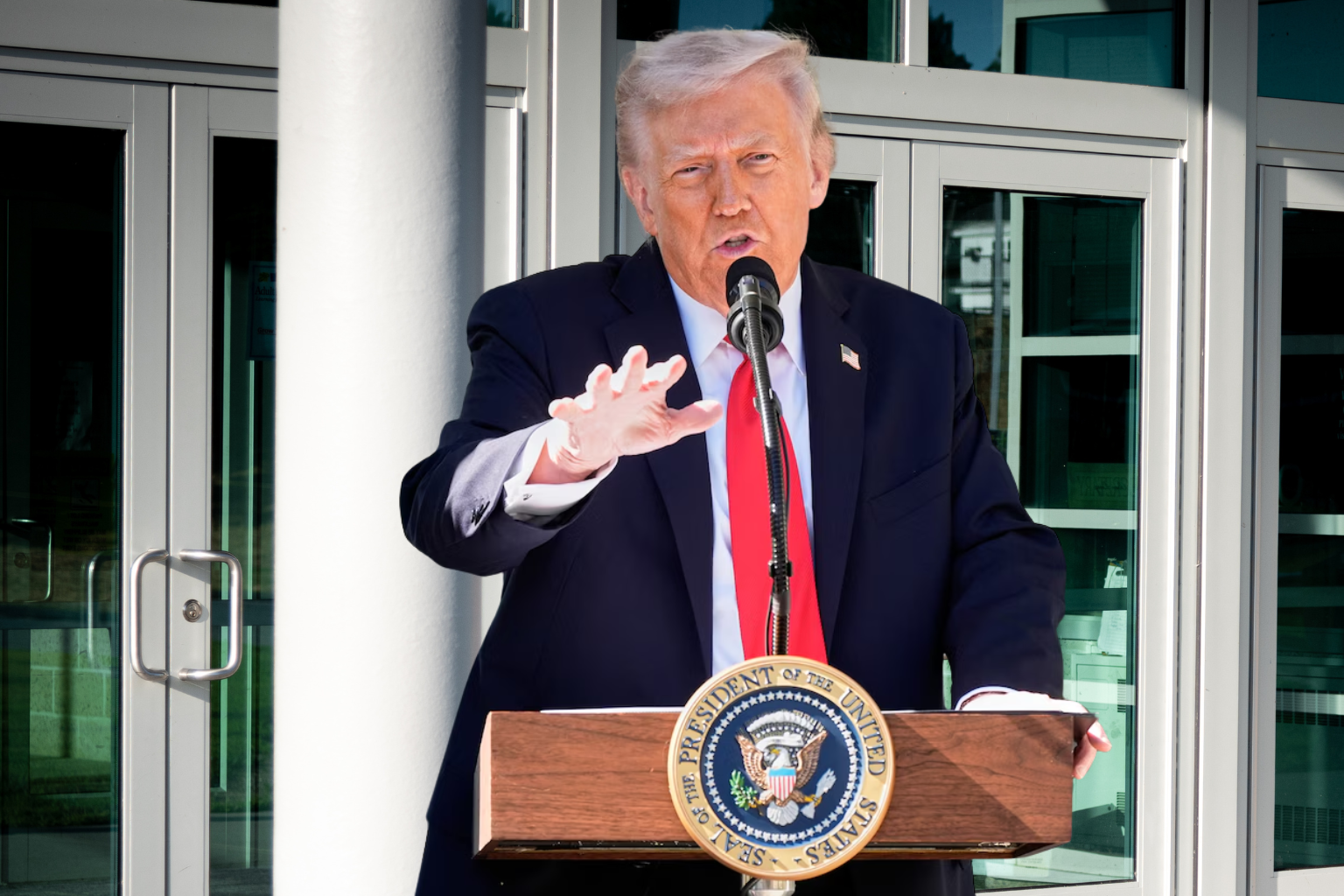
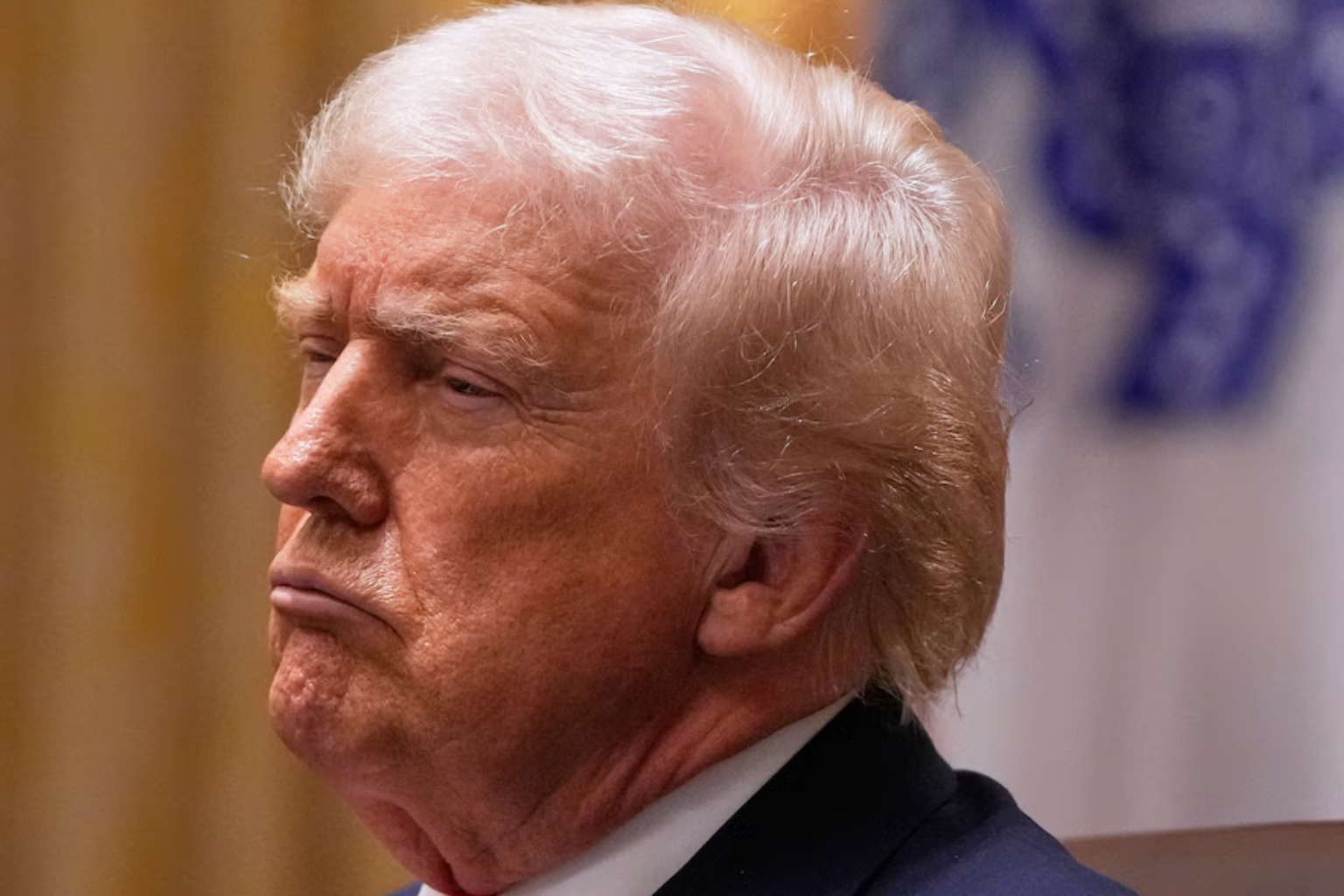
Following remarks made by prominent supporters of former President Donald Trump suggesting that recent immigration enforcement actions at airports could serve as a template for future election operations, a fresh political controversy has arisen in the United States.
The deployment of Immigration and Customs Enforcement (ICE) officials to major U.S. airports, according to former White House adviser Steve Bannon on his podcast “War Room,” is more than merely a reaction to travel problems during a partial government shutdown. He described the action as a calculated maneuver that may eventually influence the use of federal powers in elections, especially the midterms in 2026.
Bannon commended the choice to station ICE personnel at airports, describing it as a strategic and progressive action. He suggested that the current operations could serve as a “test case” for broader federal involvement in election processes. He claims that the knowledge gathered from airport deployments could improve how these organizations might function in upcoming political situations.
Conservative attorney Mike Davis backed the concept of extending ICE’s authority at the same conversation, including the potential for officers to be present at voting places. He argued that such a presence could help enforce existing federal laws that prohibit non-citizens from voting in U.S. elections. Davis maintained that lawful voters should welcome such enforcement measures.
Bannon agreed, saying that more stringent oversight might discourage unlawful voting. His remarks, however, have sparked immediate concern among political opponents, policy experts, and democracy advocates.
Critics argue that introducing federal immigration agents into the election environment could undermine public confidence in the voting process. Such suggestions run the risk of obfuscating the distinction between law enforcement and democratic engagement, according to a number of Democratic politicians.
The idea was openly rejected by progressive activist and former world chess champion Garry Kasparov, who expressed concerns about the consolidation of federal enforcement power. He warned that expanding such authority without clear limits could pose risks to democratic systems.
Jay Nordlinger, affiliated with the Renew Democracy Initiative, also questioned the intent behind these proposals, suggesting they reflect a lack of confidence in winning elections through traditional voter engagement.
Concerns have also been raised at the federal level. Senator Elissa Slotkin previously warned during a Homeland Security confirmation hearing that placing armed federal officers at polling stations would represent a serious shift in the country’s democratic norms. She emphasized the importance of maintaining trust in free and fair elections.
The discussion comes as the political landscape heats up ahead of the 2026 midterm elections. Republicans are expected to face strong competition as they work to maintain control of Congress. At the same time, Donald Trump has continued to promote claims about voter fraud and has pushed for stricter voting requirements, including legislation that would require proof of citizenship for federal elections.
Despite these claims, existing federal law already makes it illegal for non-citizens to vote in U.S. presidential and congressional elections. Violations can result in fines, imprisonment, and possible deportation.
Research and official data continue to show that voter fraud in the United States is extremely rare. A 2024 study by the Brookings Institution found that such cases accounted for less than one percent of all votes cast in federal elections over several decades. Government data has also identified a small number of non-citizens within voter registration systems, though it remains unclear how many, if any, actually voted.
Even with limited evidence of widespread fraud, discussions about election security remain central to political messaging among Trump allies. Bannon and others continue to advocate for stronger federal involvement, arguing that it is necessary to protect the integrity of elections.
As the debate continues, the idea of using immigration enforcement agencies in election settings remains highly controversial. Supporters see it as a step toward stricter law enforcement, while critics view it as a potential threat to democratic principles. With the 2026 elections approaching, this issue is likely to remain a key point of political tension.
Sources:
U.S. Department of Homeland Security
U.S. Immigration and Customs Enforcement (ICE)
Brookings Institution