
Trump Acknowledges Fuel Price Surge but Says Impact Could Have Been Worse Amid Iran Conflict
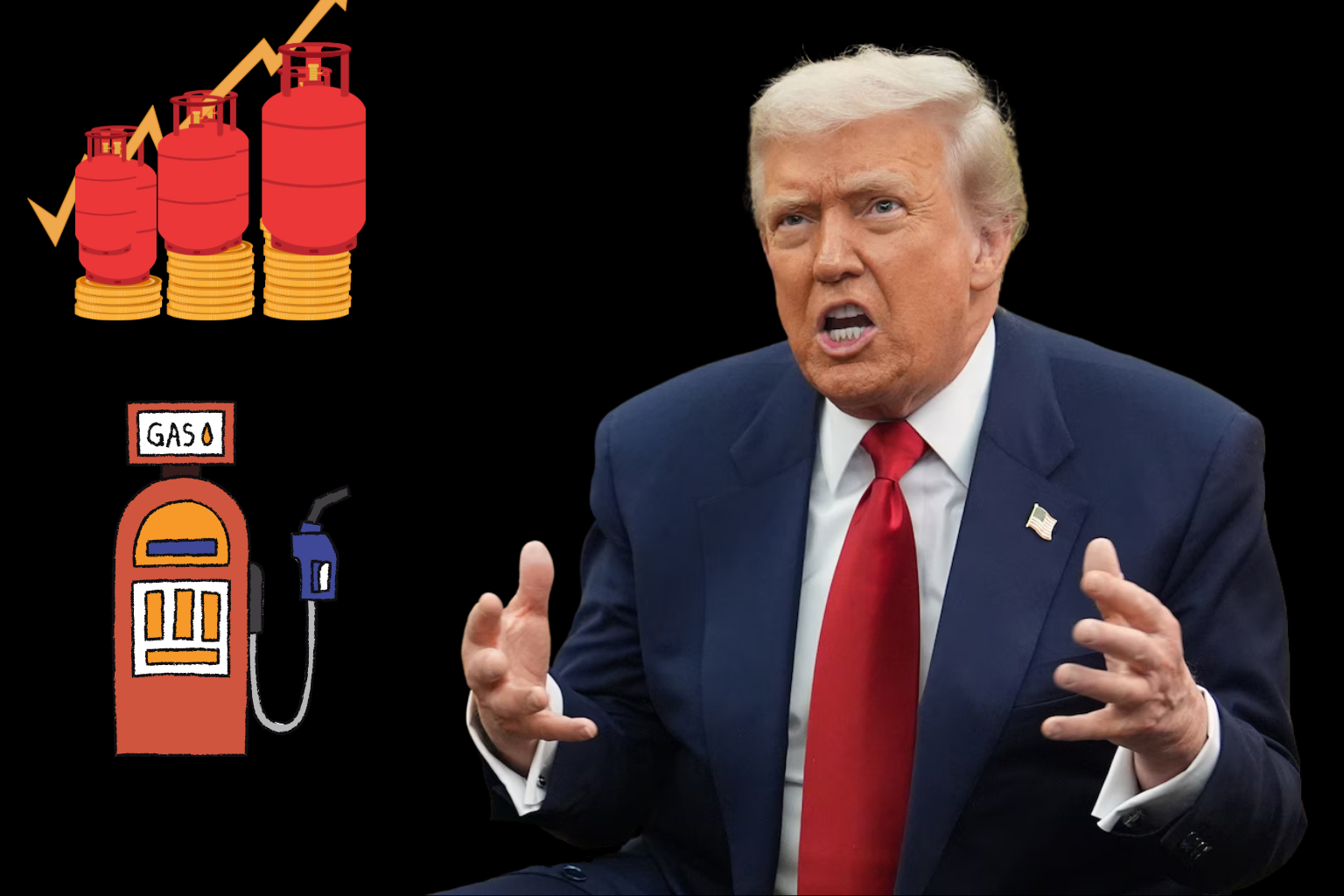
President Donald Trump has publicly acknowledged the sharp rise in fuel prices across the United States following the recent military conflict involving Iran, while also stating that the situation could have been more severe than what the country is currently experiencing.
Speaking during a Cabinet meeting on Thursday, Trump addressed growing concerns over rising oil and gas prices. He noted that although costs have increased significantly, his initial expectations were for an even steeper spike. According to his remarks, both oil prices and the stock market have shown more stability than he had anticipated under the circumstances.
Trump explained that he believed oil prices would surge higher and financial markets would react more negatively. However, he suggested that confidence in U.S. leadership may have helped limit the economic fallout. His comments come at a time when American consumers are facing noticeable increases at gas stations nationwide.
The ongoing military operation involving the United States and Israel, which began on February 28, has played a key role in pushing global oil prices upward. As a result, gasoline prices across the country have risen by approximately one dollar per gallon compared to the previous month, placing additional financial pressure on households.
Energy market experts have challenged Trump’s assessment of the situation. Patrick De Haan, a well-known analyst at GasBuddy, responded critically to the president’s comments. Highlighting real-time data, he pointed out that fuel prices have already reached significantly high levels in several major cities.
De Haan referenced specific examples, including Phoenix, Arizona, where diesel prices have increased by $2.34 per gallon over the past four weeks. Regular gasoline in the same city has seen a rise of $1.43 per gallon during that period. His response reflects broader concerns among analysts that the economic impact of rising fuel costs is already substantial.
Data from AAA supports these concerns. As of Thursday, the national average price for a gallon of gas stands at $3.98, a sharp increase from $2.98 recorded just one month earlier. This rapid rise underscores the direct effect of geopolitical tensions on everyday expenses for American drivers.
In addition to fuel prices, Trump also spoke about the stock market’s performance before and after the conflict began. He highlighted that major indexes had reached historic milestones prior to the escalation. According to his remarks, the Dow Jones Industrial Average had reached 50,000 points, while the S&P 500 climbed to 7,000—levels he described as previously thought unattainable within a single presidential term.
Despite these earlier gains, market activity showed signs of decline on Thursday morning. Reports from Associated Press indicated that the S&P 500 dropped by 0.7 percent, while the Dow Jones Industrial Average fell by 78 points. The Nasdaq composite also experienced a decline of 1 percent, reflecting investor uncertainty amid rising oil prices and geopolitical instability.
Oil markets have reacted strongly to the ongoing conflict. The price of Brent crude oil increased by 4.5 percent to $101.62 per barrel, compared to approximately $70 per barrel before the military operation began. Similarly, U.S. benchmark crude rose by 4.3 percent to $94.19 per barrel. These increases highlight the sensitivity of global energy markets to political and military developments.
Trump’s statements have added to the broader national conversation about the economic consequences of foreign policy decisions. While he emphasized that conditions could have been worse, analysts and consumers alike continue to grapple with the real impact of rising fuel costs and market fluctuations.
The situation remains fluid as global markets respond to ongoing developments. For now, Americans are seeing the effects most directly at gas stations, where higher prices are becoming an everyday reality.
Sources:
Associated Press
AAA (American Automobile Association)
GasBuddy Analyst Data