Treasury Secretary Suddenly Called to White House Situation Room During Live Interview as Iran Tensions Grow
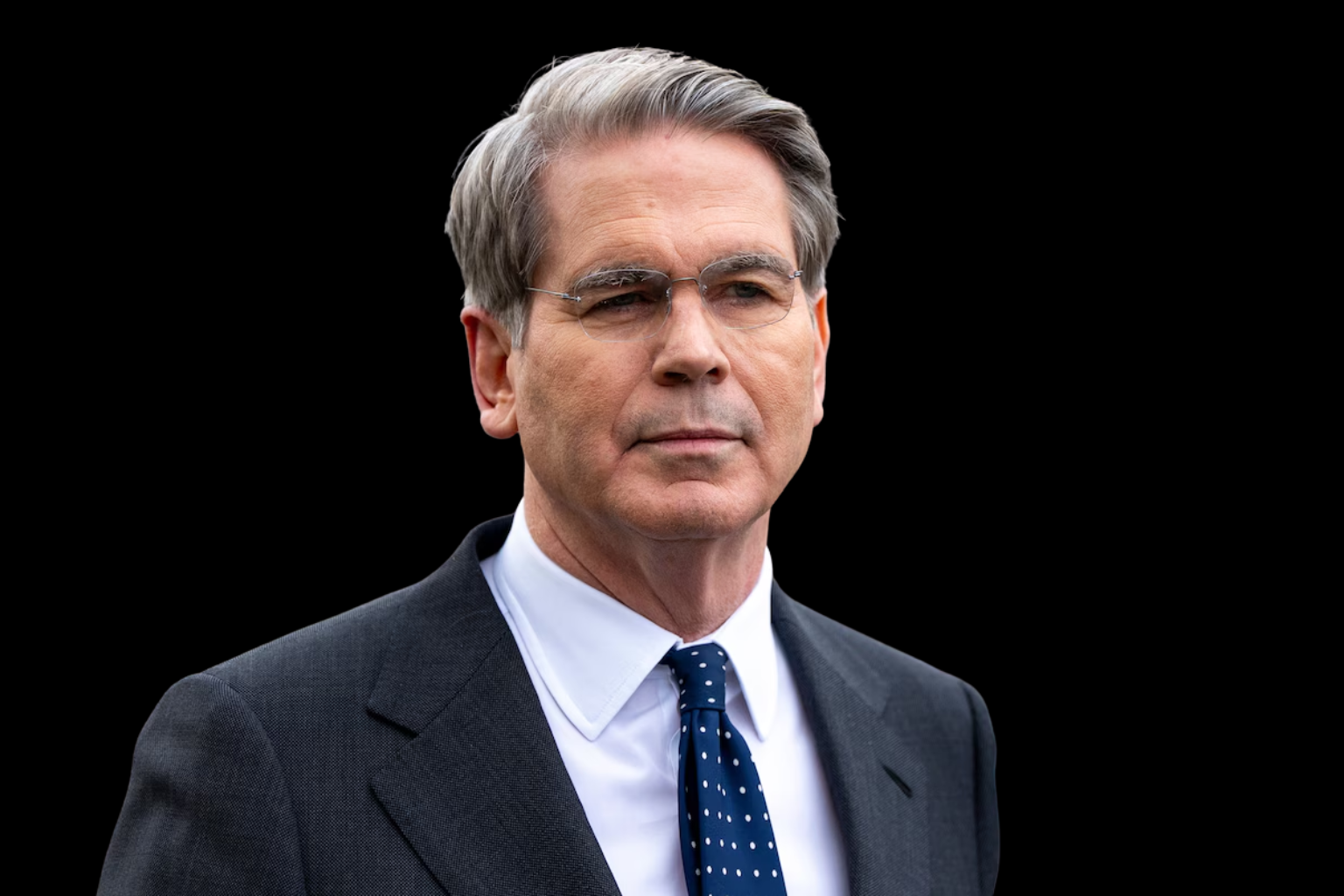
U.S. Treasury Secretary Scott Bessent was abruptly pulled from a live interview and taken to the White House Situation Room. The brief interruption, seen on camera, emphasized the gravity of the Iran-US situation.
Bessent was interviewed by Sky News in the Treasury Department Cash Room Thursday morning when the event occurred. A staff worker interrupted the call at 13 minutes to say the president wanted him in the Situation Room immediately. Bessent left the interview to attend the urgent meeting after the message was sent at 10:22 a.m., according to the interview timestamp.
The Situation Room is a crucial decision-making area for key national security authorities amid global crises and events. Bessent skipped the interview for about two hours. The presenter discussed the unexpected pause when he returned at 12:07 p.m.
According to host Wilfred Frost of “The Master Investor Podcast,” this was possibly the first instance where an interviewee had to depart mid-conversation for a Situation Room meeting. After Bessent returned, Frost questioned about the meeting’s mood and whether the president was stressed.
President Donald Trump is positive, Bessent said. He said the administration thinks Operation Epic Fury is ahead of schedule. Bessent commended mission leadership without providing operational information. He added the president, Joint Chiefs chairman, and defense leadership were confidently leading the effort. Bessent even said he would trust his child’s life to military commanders if they joined.
The Treasury Secretary confirmed multiple Situation Room conversations but did not provide details. The interview later focused on the economics of the war, especially its cost and probable impact on U.S. finances.
Bessent accepted the operation’s claimed $11 billion spending. Despite the large amount, he said the U.S. finances are stable enough to absorb it. According to him, the government has financial reserves, thus the spending is not expected to negatively impact the economy.
Bessent was also asked if he would advise President Trump to suspend military operations due to budgetary pressure. He stated that he would not advise it.
The panel also covered global energy markets’ significant response to Operation Epic Fury on February 28. Iran tensions have stoked concerns about supply disruptions, notably in the Strait of Hormuz, driving up oil prices. The small river transports over 20% of the worldwide oil supply and is a crucial energy corridor.
To secure safe passage for global energy supplies, the US Navy may soon begin escorting commercial ships across the Strait of Hormuz with an international coalition, Bessent said. The notion reflects rising fear that regional instability could imperil a vital oil supply line.
President Trump told reporters the day before that the river is in good condition despite route fears. However, Iran’s new supreme leader Mojtaba Khamenei disagreed. He said Iran plans to temporarily limit the tunnel to impose pressure during the crisis.
These innovations soon affected energy markets. International benchmark Brent crude oil rose to $100 per barrel early Thursday. U.S. crude oil prices topped $95 per barrel. The steep rise underscores concerns that the Iran conflict could disrupt global energy supplies.
The International Energy Agency warned weekly that the Iran war is causing one of the worst oil market supply disruptions ever. The analysis claimed that tensions might affect global oil supply and pricing.
Bessent also announced a temporary energy market stabilization measure. He announced on social media that the US had lifted sanctions to buy Russian oil at sea. He described the action as a temporary solution to solve supply issues, not a permanent policy change.
President Trump has also addressed rising energy prices. He said higher costs might benefit the US financially. He stressed that preventing Iran from gaining nuclear weapons and keeping Middle East stability are his top priorities.
Bessent’s surprise call to the Situation Room showed how rapidly senior officials can be summoned during global events. Despite the confidentiality of the meetings, they showed how intimately economic policy, military strategy, and energy markets are linked as tensions with Iran rise.