Supreme Court Limits Presidential Tariff Authority as Mike Pence Calls Ruling a Constitutional Win
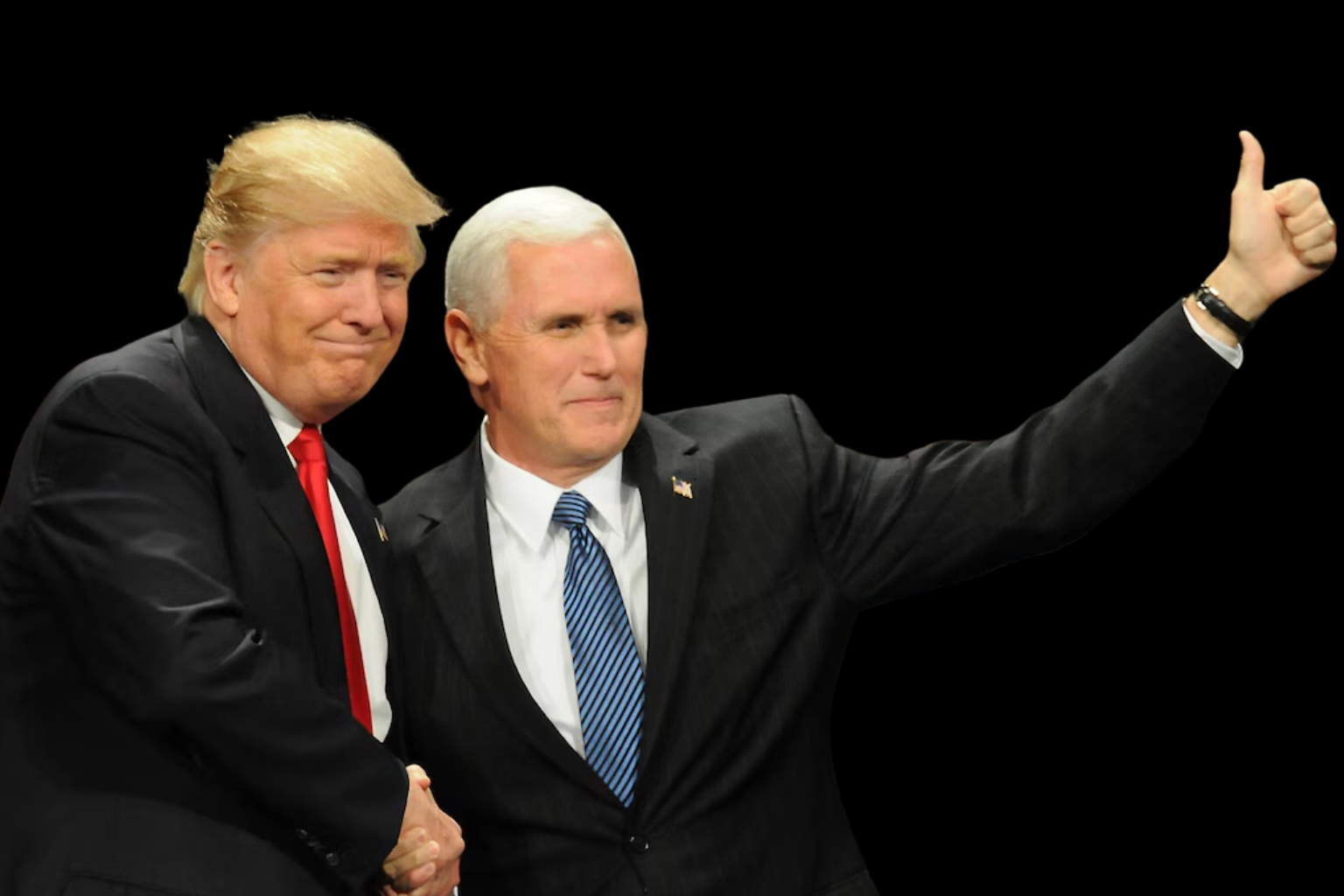
The Supreme Court declared 6–3 that a president cannot unilaterally apply or adjust tariffs under the International Emergency Economic Powers Act, a landmark decision that might impact U.S. trade policy. Political figures, including former Vice President Mike Pence, hailed the court as a win for American families and the Constitution.
Former President Donald Trump levied tariffs under the International Emergency Economic Powers Act (IEEPA). The Supreme Court majority ruled that Congress, not the president, can levy taxes and customs. The Court ruled that IEEPA does not allow executive action to make such broad tariff choices since tariffs are import taxes.
Pence called the ruling a victory for the Constitution’s separation of powers in a social media post. He stressed that American consumers and businesses pay tariffs, not foreign governments. Pence said the Court’s judgment helps consumers and businesses pay less for import duties.
Pence also claimed the verdict allows the US to resume constitutional free trade with other nations. In previous trade battles, Pence worried about broad tariffs’ economic impact and actively supported major shops who fought tariff payments in court.
Conservative and liberal judges supported the majority opinion. Trump-appointed Justices Amy Coney Barrett and Neil Gorsuch joined liberal justices in overturning most IEEPA tariffs. Alito, Thomas, and Kavanaugh dissented.
Kavanaugh observed in his dissent that the Court did not address how the federal government should handle billions of dollars collected from importers under the invalidated tariffs. Any return process could be complex, he said.
Trump called the verdict disappointing and expressed irritation that some conservative justices sided with liberals. He said the decision weakens presidential power and may have been influenced by politics. Trump also said he will slap a temporary 10% global tariff under Section 122. Tariffs could not exceed 150 days without congressional approval.
Significantly, the Supreme Court’s finding does not bar a president from applying tariffs under other trade statutes that explicitly authorize it. The case addresses the use of IEEPA for wide, long-term tariffs without congressional permission.
The verdict provides legal clarity for corporations and consumers but raises practical challenges. Companies who paid large duties may ask the government about refunds and restitution. That issue was not instructed by the Court.
The judgment strengthens the executive-legislative balance, say legal scholars. The Court upheld separation of powers by ruling that Congress can levy taxes and customs. The verdict may also influence future administrations’ trade conflict and global economic responses.
Tariff debates have always divided policymakers. Tariffs defend American industry and employment, say supporters. Critics say tariffs raise consumer prices and cause corporate uncertainty. Large-scale tariff action under emergency powers will be limited by the constitution after this verdict.
Trade policy will be a major political issue in the future. In that ongoing controversy, the Supreme Court’s ruling clarified presidential authority and reaffirmed Congress’s fundamental role in taxation and commerce.
Sources
United States Supreme Court
Official public statements from former Vice President Mike Pence
Official public statements from former President Donald Trump