Supreme Court Blocks Key Trump Tariffs, Leaving $2,000 Rebate Proposal Uncertain
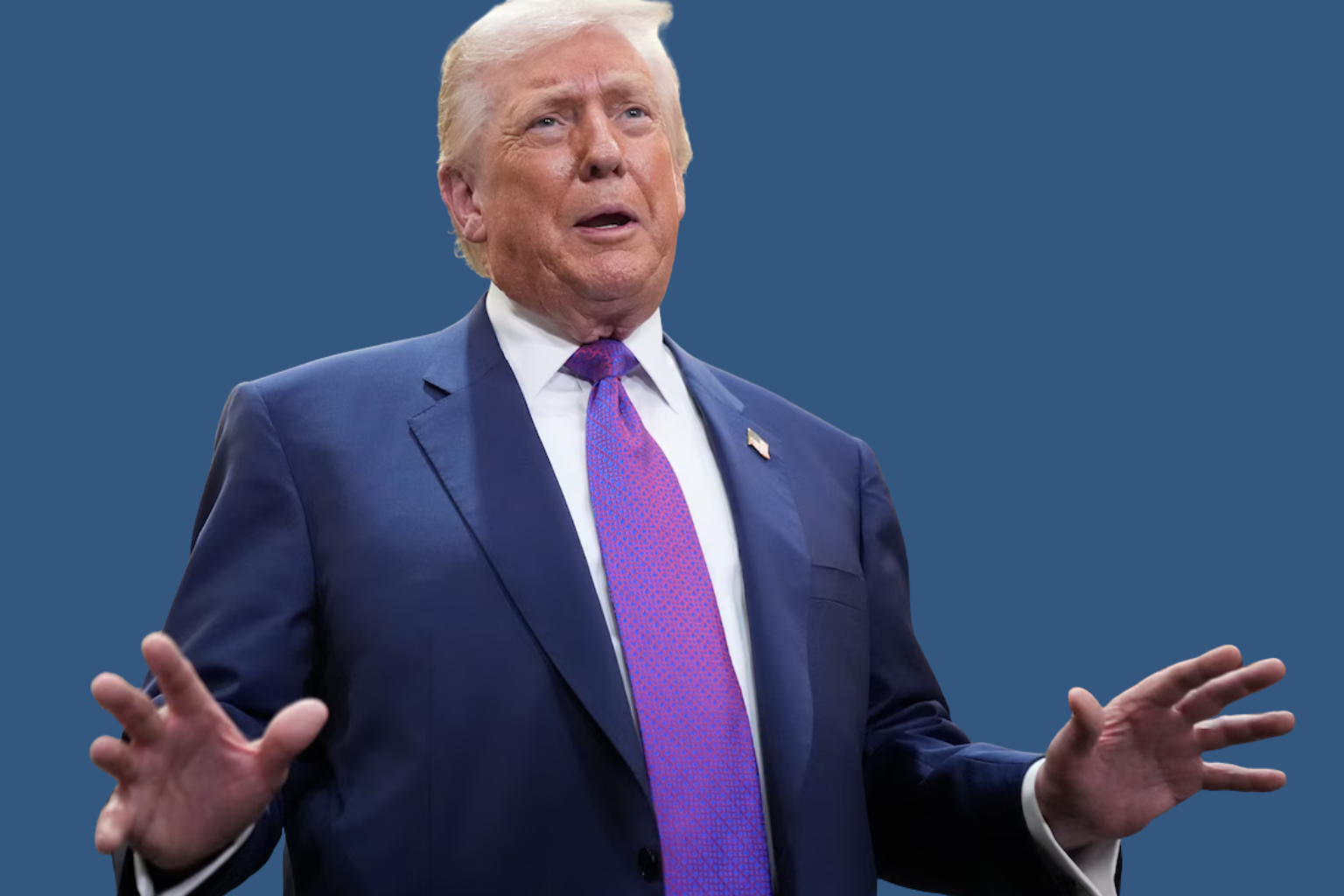
The Supreme Court’s ruling curtailed former President Donald Trump’s ability to impose worldwide tariffs, casting doubt on his $2,000 tariff rebate checks. Trump has not ruled out providing compensation to Americans, but the legal setback has cast doubt on the scheme.
The Supreme Court ruled 6-3 that Trump exceeded his power by justifying broad tariffs using the International Emergency Economic Powers Act. The 1977 statute permits a president to regulate foreign economic transactions during a national emergency. The Court said it doesn’t grant the president unfettered power to impose worldwide tariffs without congressional permission.
Chief Justice John Roberts wrote that Congress (not the executive) sets tariffs under the Constitution. The majority found that the emergency law “falls short” of enabling the broad tariffs.
This verdict impacts Trump’s proposed revenue source for $2,000 rebate payments. He declared in November that tariff-funded payments to Americans—excluding high-earners—would be made. He also said any residual monies will reduce the $38 trillion national debt.
Trump did not say whether the checks will be issued after the Court’s judgment. In a press briefing, he said his administration is exploring other trade rules to retain tariffs.
He cited the 1962 Trade Expansion Act, 1974 Trade Act, and 1930 Tariff Act. These laws allow tariffs for national security and unfair trade practices.
Trump stressed that Section 232 and 301 tariffs remain. The Commerce Secretary can prohibit imports under Section 232 if they threaten national security. Section 301 covers unfair foreign trade practices. He also proposed a 10% global tax under Section 122 of the 1974 Trade Act. That provision allows 15% import fees for 150 days unless Congress extends it.
Treasury Secretary Scott Bessent has said the administration might restructure tariffs under these alternative statutes regardless of the Supreme Court’s ruling. He suggested using Sections 301, 232, and possibly 122 to reestablish the tariff system last December.
Trump maintains his tariff strategy. At an address in Rome, Georgia, he called tariffs “common sense” and said the US would suffer economically without them. He said tariff collections could surpass $900 billion next year unless the Court intervenes.
The promised $2,000 rebate checks’ details remain unclear despite these remarks. Trump has suggested that low- and middle-income Americans will likely receive payouts at the end of the year, but who qualifies is unknown. In a recent interview, he indicated he is “very seriously” contemplating the plan but has not committed.
No official confirmation of check issuance is available. The Supreme Court’s ruling complicates the funding plan, and any new tariff strategy may attract legal and political scrutiny. Americans waiting for refund checks must watch for federal pronouncements while debates continue.
Next steps depend on legal authority, congressional monitoring, and economic policy. The $2,000 tariff rebate plan is possible but not guaranteed until a policy is implemented.
Sources:
Supreme Court of the United States
U.S. Constitution
International Emergency Economic Powers Act (1977)
Trade Expansion Act of 1962
Trade Act of 1974
Tariff Act of 1930