Spring Skywatch Alert: Two Meteor Showers Set to Light Up the Night in Coming Weeks
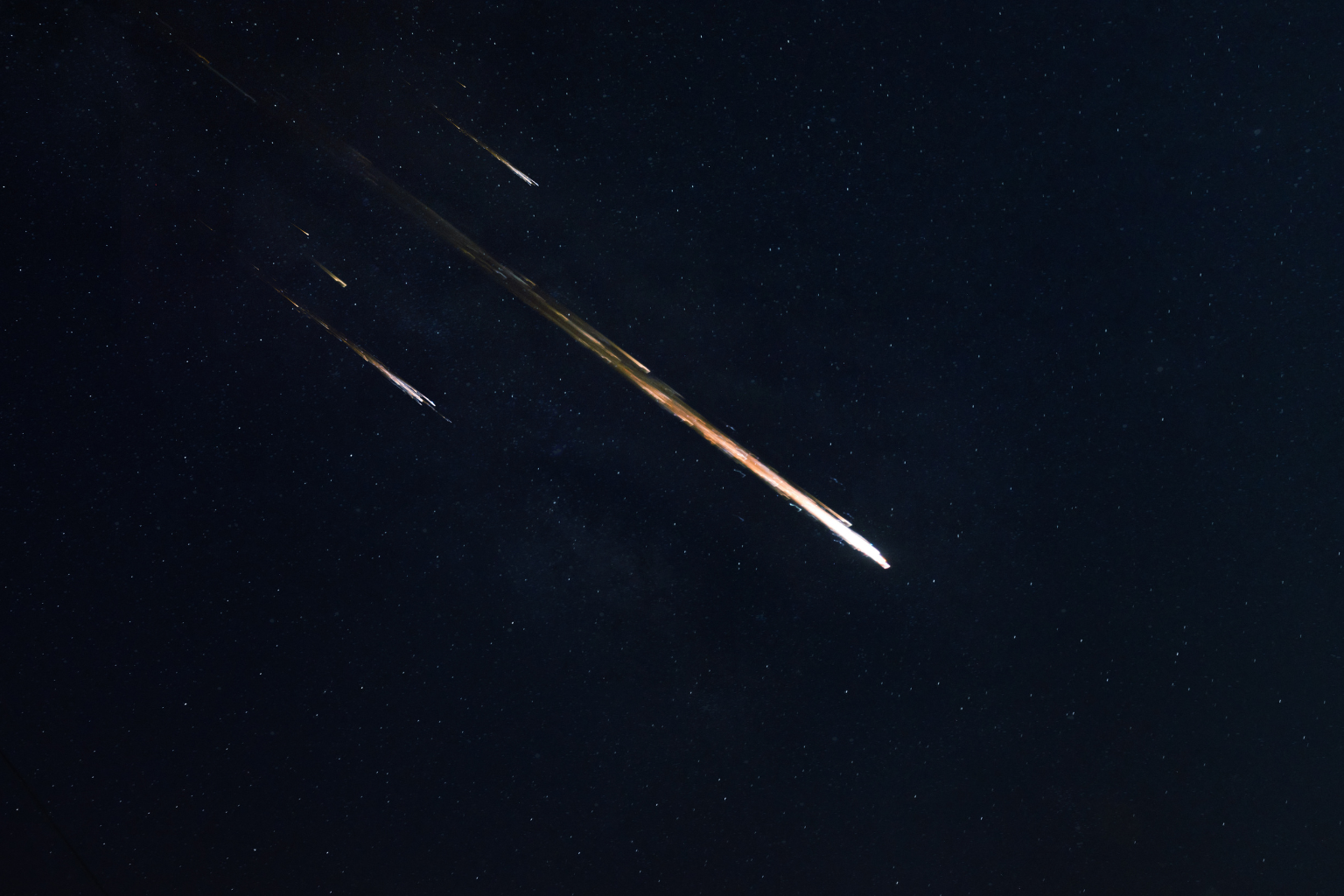
Skywatchers and astronomy enthusiasts will soon have a chance to witness one of nature’s most beautiful displays as two early meteor showers of 2026 approach their peak viewing periods. These seasonal events are expected to bring streaks of light—commonly known as shooting stars—across the night sky, offering a memorable experience for those who take time to look up.
The first event, the Lyrid meteor shower, will be active from April 14 through April 30. According to expert observations, the shower is expected to reach its highest activity late on April 21 and continue into the early hours of April 22. During this peak window, viewers may have a good opportunity to spot multiple meteors, especially under clear skies.
Astronomers note that the moon will be around 27 percent full during the peak night, meaning its brightness should not significantly affect visibility. This creates relatively favorable conditions for watching the Lyrids, particularly in darker areas away from city lights.
The Lyrid meteor shower occurs when Earth passes through debris left behind by Comet Thatcher. As these small particles enter Earth’s atmosphere, they burn up due to friction, creating bright streaks of light that appear to shoot across the sky.
Shortly after the Lyrids begin to fade, another meteor shower will take center stage. The Eta Aquarid meteor shower will be active from April 19 through May 28, overlapping briefly with the Lyrids. Its peak is expected late on May 5 into the early morning of May 6.
However, viewing conditions for the Eta Aquarids may be less ideal this year. The moon is expected to be about 85 percent full during the peak night, which could significantly reduce visibility. Bright moonlight often makes it harder to see fainter meteors, limiting the overall viewing experience.
Under normal conditions, the Eta Aquarid meteor shower can produce between 10 to 30 meteors per hour during its peak, particularly just before dawn. This year, due to the strong moonlight, that number may drop to fewer than 10 visible meteors per hour.
The Eta Aquarids are formed from debris left behind by Halley’s Comet, one of the most well-known comets in the solar system. Each time the comet travels through the inner solar system, it sheds layers of dust and ice. When Earth crosses this debris path, the particles burn up in the atmosphere, creating the meteor shower seen from the ground.
While these spring meteor showers offer exciting viewing opportunities, experts say the most anticipated event of the year will arrive later in the summer. The Perseids meteor shower, often considered the most spectacular annual display, is expected to peak in August.
This year’s Perseids are expected to be especially impressive because they will occur during a new moon phase. With little to no moonlight in the sky, viewing conditions will be at their darkest, allowing even faint meteors to be seen more clearly.
For now, those interested in catching a glimpse of shooting stars can mark their calendars for the upcoming Lyrid and Eta Aquarid peaks. Clear skies, minimal light pollution, and patience will be key to enjoying these natural celestial events.
Sources
American Meteor Society
NASA