Pre-War Warning Contradicts Trump’s Claim as Iran Conflict Intensifies
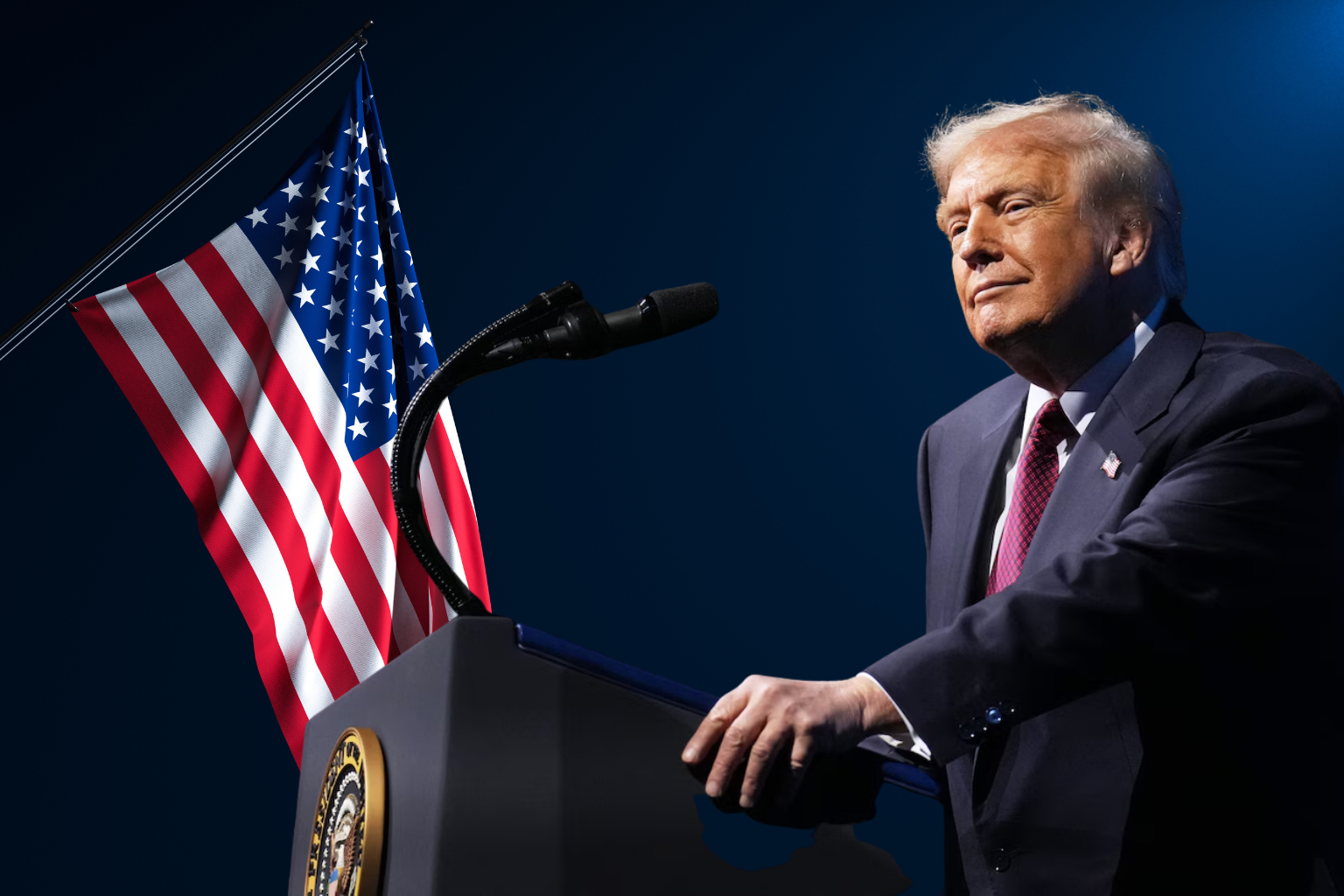
After the combined U.S.-Israeli strikes on Tehran on February 28, Iran launched a massive counterattack that no one had predicted, according to former U.S. President Donald Trump. However, a previous warning that was sent just days before the attack is receiving more attention, which raises concerns about how predictable the escalation might have been.
Nate Swanson, a former State Department official, released a study detailing the high likelihood of Iranian retribution just four days prior to the military attack. Swanson warned in a February 24 article in Foreign Affairs that a direct military attack on Iran may lead to a more catastrophic and extensive battle. He underlined that things might easily turn into a protracted and expensive conflict for the United States.
Swanson, who was the National Security Council’s Director for Iran from 2022 to 2025, cautioned that the U.S. leadership’s strategy would raise the possibility of an escalation. He characterized the approach as putting Iran under strict pressure to reach a meaningful deal or using heavy military action. He claimed that under such circumstances, retaliation was both likely and feasible.
These forecasts have mostly materialized since the strikes on February 28. Iran has attacked several nations in the Gulf, including Bahrain, Kuwait, Saudi Arabia, Qatar, and the United Arab Emirates. The Strait of Hormuz, which is in charge of carrying a sizable amount of the world’s oil, has essentially closed, disrupting global energy supply routes.
The conflict has had a high human cost. Thirteen American soldiers have died and over 200 have been injured, according to U.S. Central Command. At least 2,000 people have died in a number of countries, including Iran, Israel, Lebanon, and Gulf countries, according to more comprehensive regional sources.
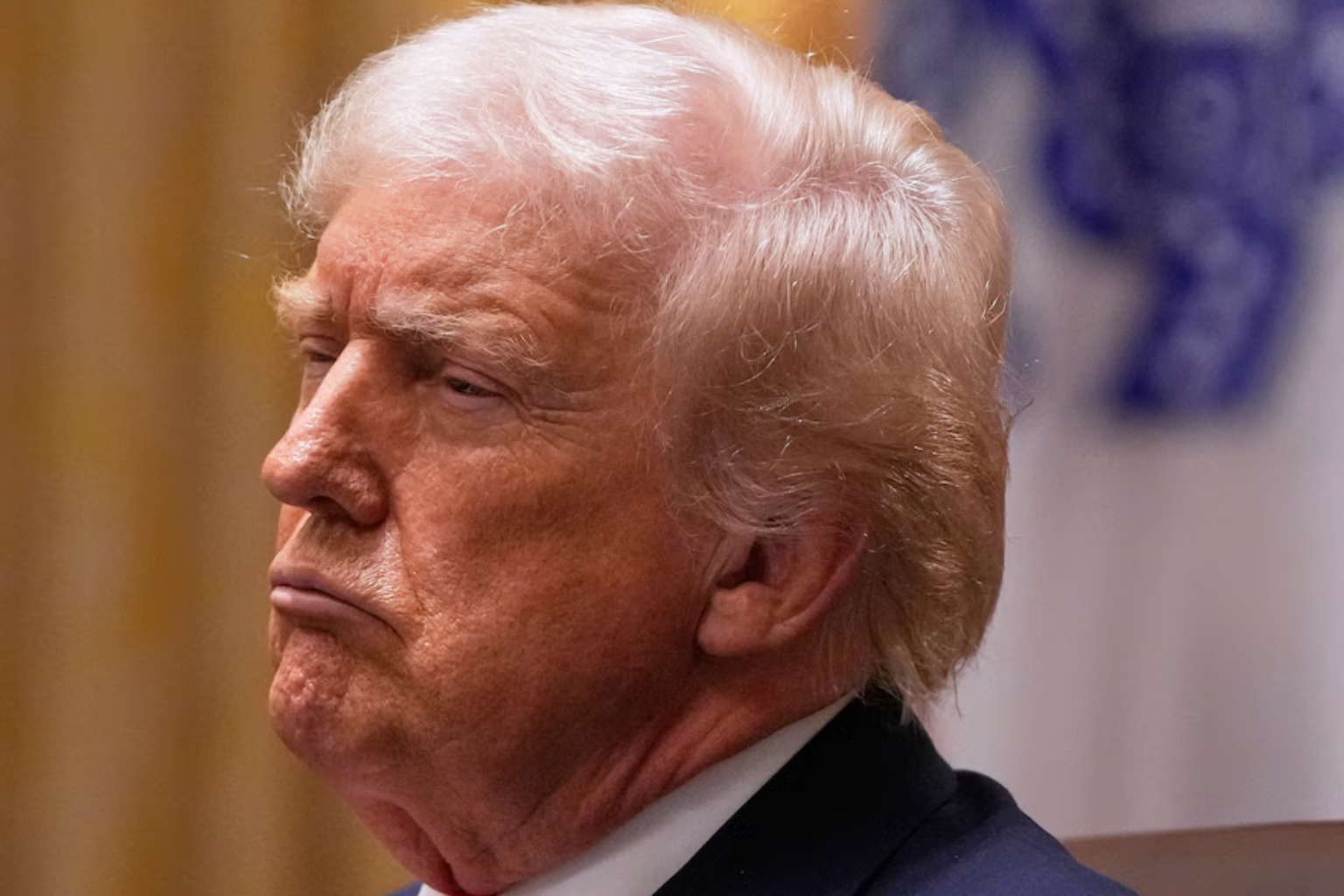
In a recent statement, Trump insisted that analysts did not anticipate Iran’s response despite these developments. He said that no one had foreseen the possibility of retribution when asked if he had been informed about it. Swanson’s earlier analysis, which detailed scenarios involving attacks on regional allies and interruptions to global oil flows, has now refuted his statements.
Swanson has also cautioned that Iran would target Gulf countries’ energy infrastructure because of their sway over American policy. He proposed that Washington can be indirectly forced to reevaluate its strategy by applying pressure to these countries. His evaluation now seems to be in line with the current state of affairs in the area.
There is still no obvious way to end the war as it approaches its eighteenth day. Recently, Trump said that the parameters of the ceasefire are unacceptable and that it is not yet feasible. He did not, however, specify the terms that would be necessary for an agreement.
Swanson has hinted that the United States would soon have to make a crucial choice. The government has two options: either keep stepping up its engagement in the war, which is growing more and more unpopular, or look for a negotiated solution that would allow both sides to declare some sort of victory.
The continued ambiguity surrounding the battle is shown by the discrepancy between previous warnings and current comments. The political and geopolitical ramifications of the initial decision to strike Iran are becoming increasingly apparent as fighting persists and regional tensions increase.