
Poll Signals Democratic Edge Among Voters Disillusioned With Both Parties Ahead of Midterms
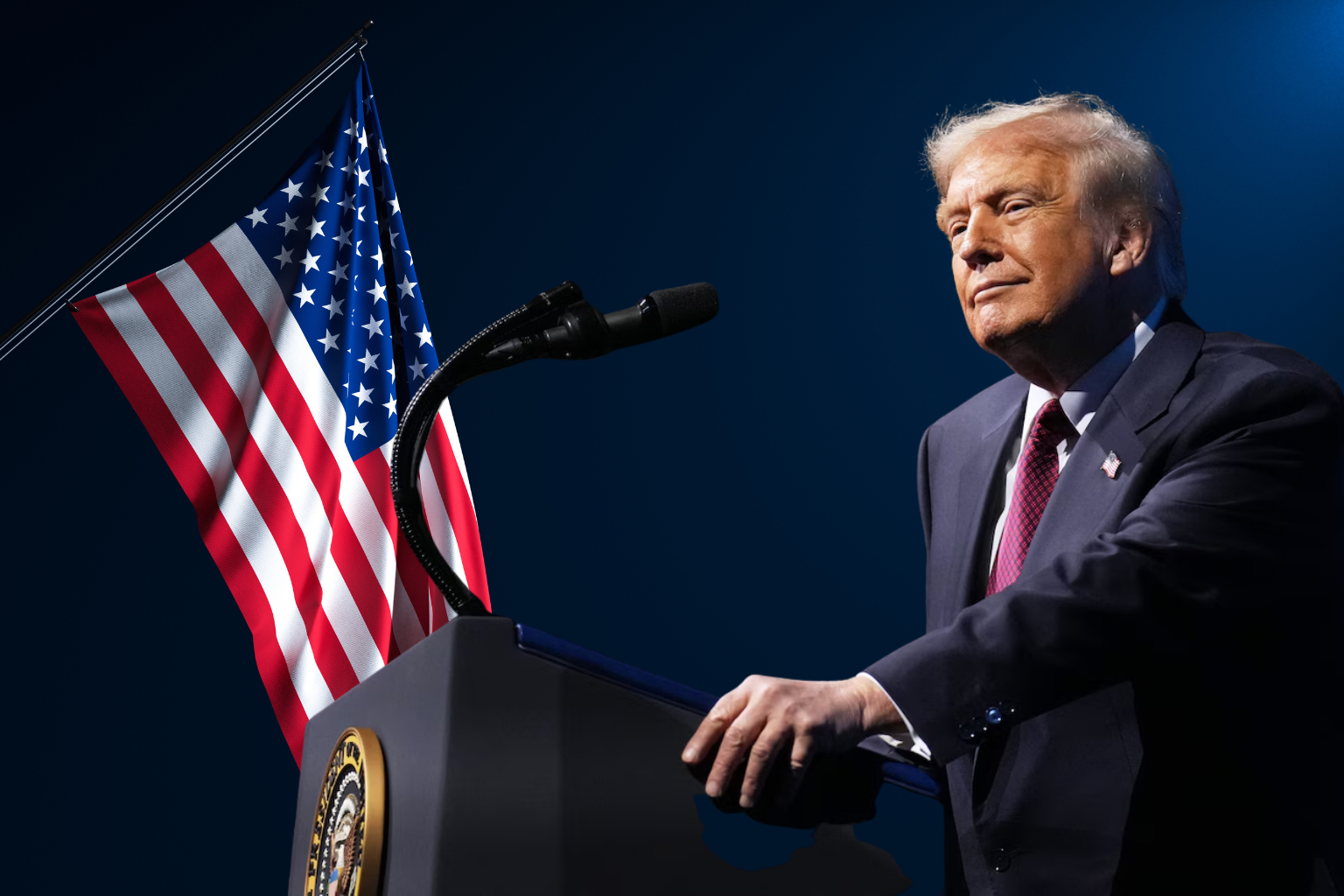
A new national poll has revealed a notable political trend that could influence the upcoming 2026 midterm elections, showing that Democrats currently hold a clear advantage among a specific group of voters who express dissatisfaction with both major political parties.
According to the survey, around one-quarter of respondents reported having unfavorable views of both Democrats and Republicans. This group, often described as politically disengaged or frustrated voters, appears to be leaning significantly toward Democratic candidates at this stage. The data indicates that Democrats lead Republicans by a wide 31-point margin within this segment, highlighting a potential shift in voter behavior among individuals who are typically harder to win over.
This group of voters has historically played a meaningful role in election outcomes. In previous presidential elections, including those in 2016 and 2024, similar voters contributed to key results by backing Republican candidates. However, the current polling suggests that their preferences may be evolving as the political landscape changes.
Looking at the broader electorate, Democrats also maintain a modest lead overall. The poll shows that 48 percent of registered voters would currently support a Democratic candidate, compared to 42 percent who favor a Republican candidate. While the margin is not overwhelming, it reflects a steady advantage that could become significant in closely contested races.
Voter enthusiasm also appears to be relatively high. More than half of respondents described themselves as extremely motivated to participate in the upcoming election, while additional groups reported being very or somewhat motivated. Only a small portion of voters indicated low or no motivation to vote, suggesting that turnout could be strong if these levels remain consistent.
Among the most motivated voters, Democrats again hold a clear lead. A majority within this group said they plan to vote for Democratic candidates, reinforcing the party’s advantage among highly engaged individuals. This trend is consistent with earlier polling conducted at the بداية of the year, indicating stability in voter sentiment among this key demographic.
Despite these advantages, the poll also highlights an underlying challenge for both parties: overall public perception remains relatively weak. Only a small percentage of respondents expressed a positive view of either party, with Republicans slightly ahead in favorability ratings. This reflects a broader sense of dissatisfaction among voters, which continues to shape the political environment.
The motivations behind voting decisions also reveal important differences between the two parties’ supporters. Among those planning to vote for Democrats, a significant portion said their choice is driven by opposition to Republican candidates rather than strong support for their own party. On the other hand, Republican voters are more likely to say they are voting in support of their party’s candidates rather than primarily opposing Democrats.
The poll further explored how voters view the role of former President Donald Trump in their decision-making. A large share of respondents indicated that their vote would serve as a message opposing him, while a smaller percentage said it would signal support. Others stated that their vote is not intended to convey any specific message about Trump, reflecting a mix of motivations across the electorate.
In addition to political preferences, the survey also examined public opinion on economic leadership. The findings suggest that a majority of Americans are dissatisfied with the current handling of the economy. Only a small portion of respondents expressed approval, while a significantly larger group disapproved. Many participants also believe that economic conditions have worsened in recent months, indicating growing concern about financial stability and cost-of-living pressures.
The poll was conducted among more than 1,200 adults in the United States over several days in late March. With a margin of error of just over three percentage points, the results provide a reliable snapshot of current voter attitudes as the country moves closer to the midterm elections.
Overall, the data points to a competitive political environment where voter dissatisfaction remains high, but Democrats currently appear better positioned to benefit from shifting attitudes—particularly among those who feel disconnected from both major parties.
Sources:
CNN Poll (March 26–30 survey of U.S. adults)