NJ Transit Pledges Compliance With Governor’s ICE Warrant Order After Public Outcry From Riders
After commuters voiced concerns at a public board meeting, NJ Transit leadership affirmed it will comply with Governor Mikie Sherrill’s executive order banning ICE access to state sites.
Multiple speakers at NJ Transit’s Wednesday night board of directors meeting encouraged agency executives to take decisive action to shield passengers from anxiety and uncertainty related to recent federal immigration enforcement operations.
After February 2 ICE arrests at the 9th and Congress Street light rail stop in Hoboken and Jersey City, the controversy heated up. Witnesses reported many arrests from a train and the terminal. Bystanders filmed one arrest, raising public concern.
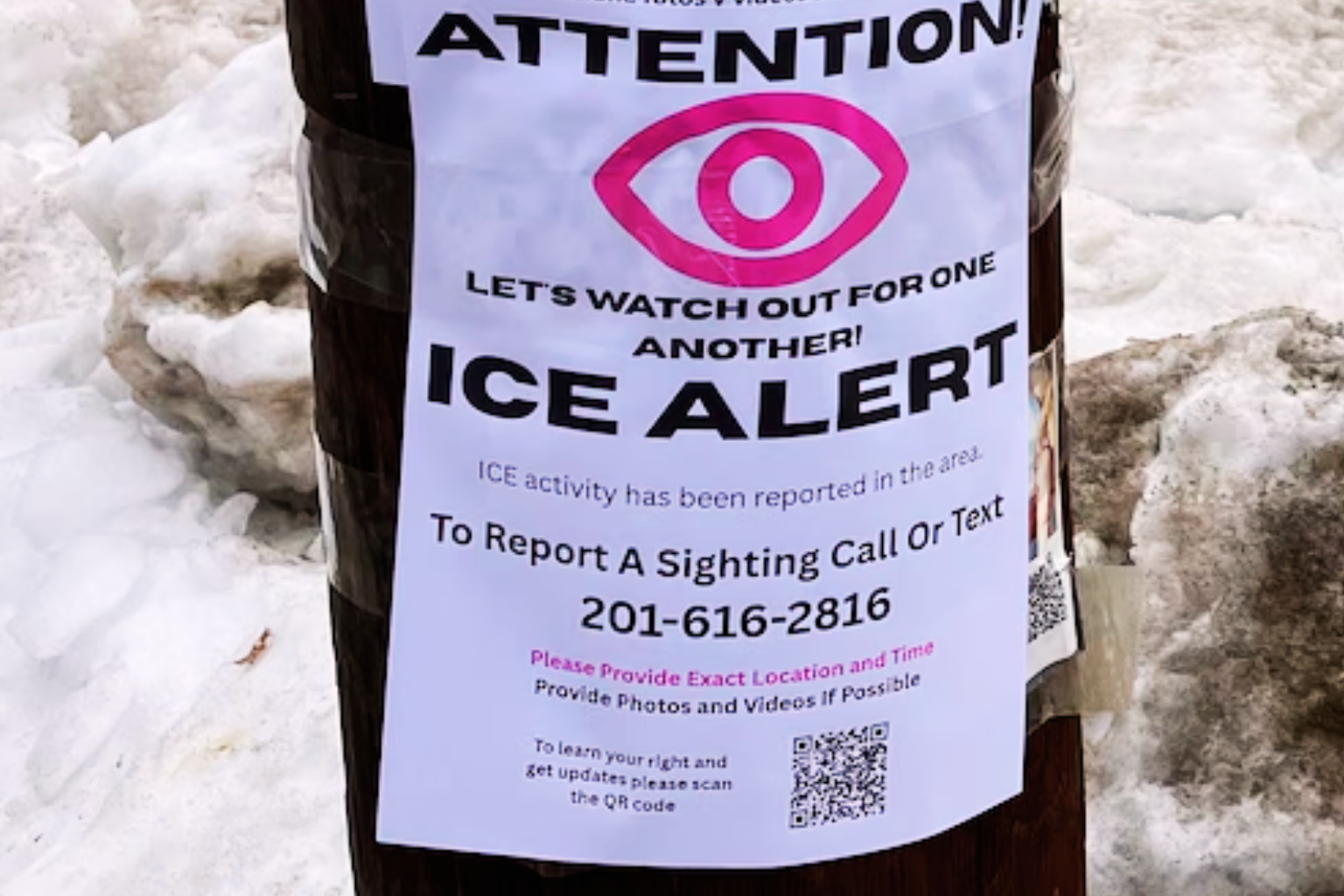
Earlier that day, Governor Sherrill signed an executive order banning ICE agents from visiting non-public state property without a judge’s warrant. Federal immigration enforcement personnel cannot use state land as staging sites, either. Additionally, the governor announced a statewide portal where locals can share images and videos of federal immigration enforcement.
NJ Transit CEO Kris Kolluri said the agency would follow the governor’s instruction during the board meeting. He affirmed executive order compliance without adding policies.
The board heard 10 speakers request stronger, clearer protections. Several users encouraged NJ Transit to implement explicit regulations to ban ICE agents from boarding trains, buses, or accessing stations without a warrant. Others sought training so personnel could respond to ICE agents trying to enter vehicles or buildings.
At the conference, Hoboken resident Ron Bautista said web recordings show ICE agents boarding buses and entering station elevators. He said similar events frighten travelers and called for codified NJ Transit admission regulations.
Private transportation businesses require judicial permits for agents to enter non-public places. Some private carriers prohibit warrantless immigration enforcement on buses or in limited station areas and require staff to submit written requests, according to publicly available business statements.
Other speakers argued that public transportation should be safe for all immigrants. Angelisha Chanhani told the board that recent enforcement efforts had alarmed communities and encouraged NJ Transit officials to go beyond the executive order.
Vice Chairperson Kiabi Carson said the organization should consider all legal possibilities to protect riders.
State property with restricted access is covered under Governor Sherrill’s executive order. Federal immigration authorities need a warrant to enter restricted places, per the order. The order strengthens constitutional access to state-controlled property but does not prohibit public enforcement.
The governor’s action followed increased immigration enforcement in New Jersey and many high-profile events nationwide that have grabbed attention. The order shows the state’s desire to define federal enforcement and state property rights.
NJ Transit has not announced whether it will establish policies beyond the governor’s instruction. The problem is expected to stay discussed as public attention persists.
Leadership has stated that NJ Transit will follow the governor’s executive instruction and adjust its policies.
The incident represents a nationwide debate regarding immigration enforcement, public safety, and state agency responsibilities. Transportation officials in New Jersey must balance legal requirements with rider confidence and community trust.
Sources:
Office of the Governor of New Jersey
NJ Transit Board of Directors Meeting Statements
U.S. Immigration and Customs Enforcement (ICE) Official Information
State of New Jersey Executive Order Documentation