Newly Refurbished RiverLine Train Signals Major Push to Improve Reliability for New Jersey Riders
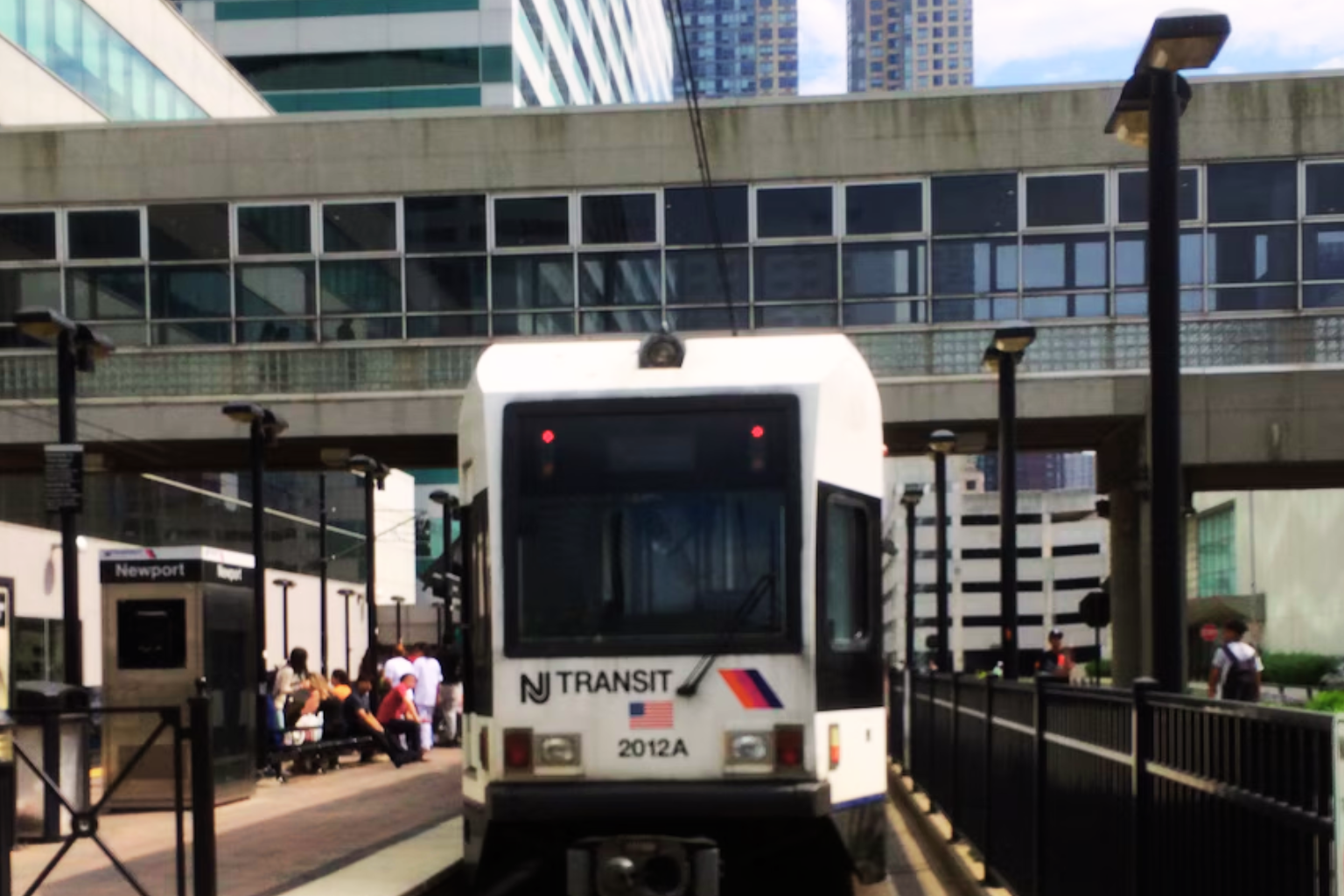
New Jersey Transit introduced a fully refurbished RiverLine light rail train, a symbolic first step toward restoring one of the state’s most unreliable transit routes. The Trenton Transit Center introduced the renovated train, initiating a bigger effort to restore user confidence and improve service along the famous Camden-to-Trenton corridor.
For the 250th anniversary of US freedom, the refurbished train includes special mechanical modifications and a patriotic flair. Officials said the design goes beyond celebration. It reflects a renewed commitment to improve a rail line thousands of South and Central New Jerseyans use everyday.
NJ Transit officials said the RiverLine refurbishment is part of a multi-phase plan to update the fleet, increase safety, and switch to new trains. The $330 million upgrade addresses years of reliability difficulties.
Modernizing 14 diesel-powered light rail carriages starts with one. RiverLine trains had their first substantial overhaul since 2003. About $30 million will be spent on the remaining 13 trains in the coming years.
NJ Transit awarded Kinkisharyo International a $171.8 million, five-year RiverLine fleet maintenance and rebuild contract. The Piscataway business built Hudson-Bergen and Newark Light Rail trains.
Rehabilitation transcends appearances. Complete engine and passenger cabin refurbishments are done on each train. Expect LED lighting, enhanced seating, renovated flooring, better signs, and modern security cameras. Transit officials say these changes will improve reliability and passenger satisfaction.
Improvement needs are known. Data shows NJ Transit’s RiverLine is the least reliable of the three light rail services. Newark Light Rail and Hudson-Bergen Light Rail perform better than RiverLine, which averages 2,818 miles between breaks. These frequent service interruptions have long frustrated Mercer, Burlington, and Camden commuters.
Angry RiverLine critic Burlington County State Senator Troy Singleton said the restored rail proof that riders’ long-held hopes are being fulfilled. His public meetings with travelers and transportation officials have addressed service issues, notably one in October 2024 when a train hit a huge tree on the rails, killing a train operator and wounding 23 passengers. That incident spurred system and safety changes.
Safety improvements are essential for recovery. Off-peak riders are safer with better illumination and surveillance, according to NJ Transit Police leadership. Officials hope these steps will reduce rider anxiety, make stations and trains safer, and help law enforcement.
NJ Transit plans a major operational revamp and fleet upgrades. Alstom will hand over RiverLine operations to the agency in Q1 2026. Before Alstom bought Bombardier, a partnership managed it. NJ Transit officials expect challenges during the switch, but direct control enhances accountability and service.
Transit authorities established a three-step plan: restore operational authority, rebuild the fleet, and meet rider reliability standards. Long-term plans involve 34-mile infrastructure enhancements.
An crucial personnel update was also presented. Mike Kilcoyne, NJ Transit’s Senior Vice President of Surface Transit and Bus Operations, retired after 30 years. Kilcoyne stabilized bus services in Camden by launching larger articulated buses and the agency’s first electric bus test program after many commercial carriers left.
RiverLine riders await the restored train’s debut. Although concerns remain, transportation officials and state leaders believe this first repair proves that fixing one of New Jersey’s most problematic rail lines is now a priority with financing, planning, and long-term commitment.
Sources
New Jersey Transit (NJ Transit)
Office of the New Jersey State Senate
NJ Transit Police Department