New National Poll Shows Sharp Drop in Trump’s Approval Ratings Amid Growing Public Concerns
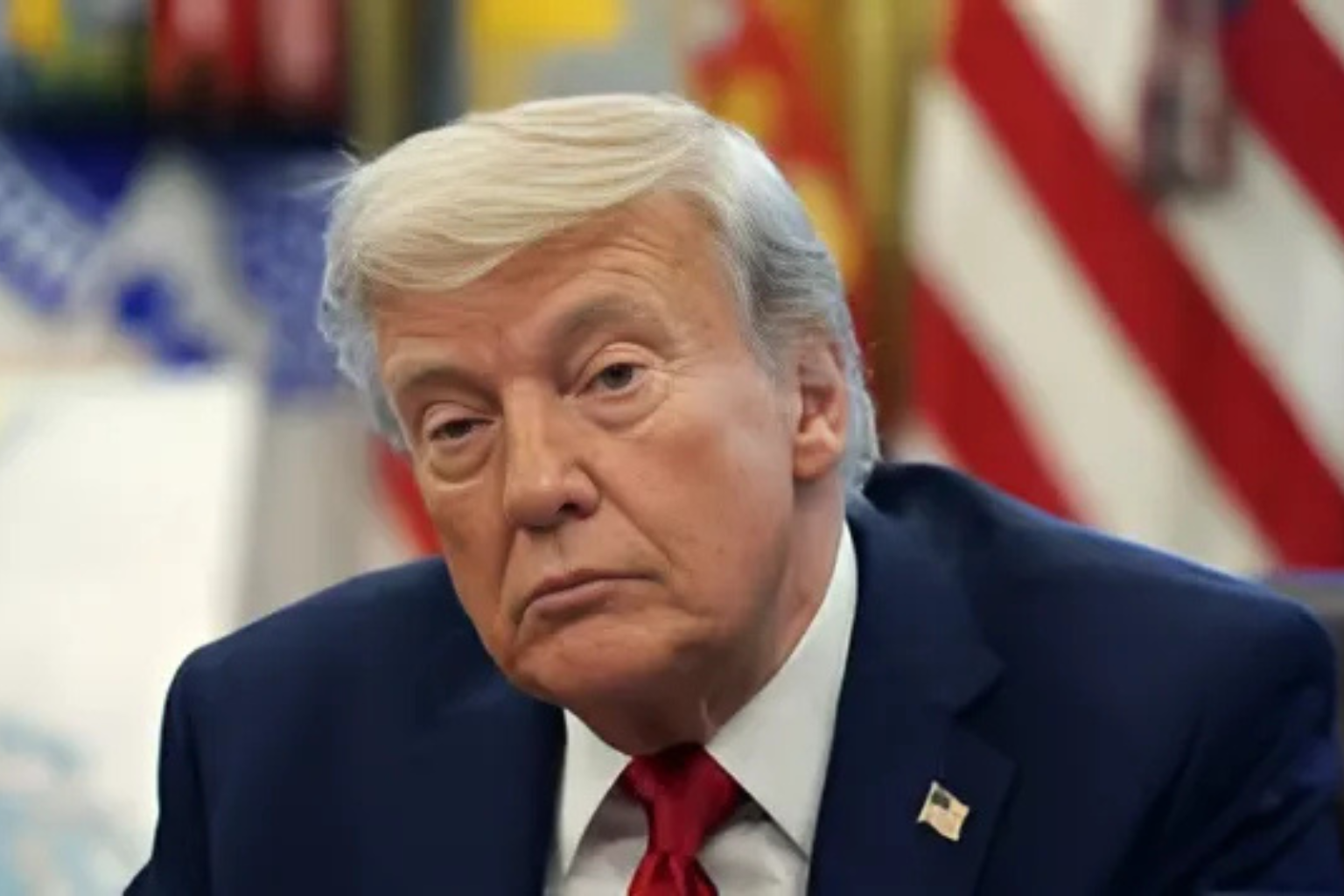
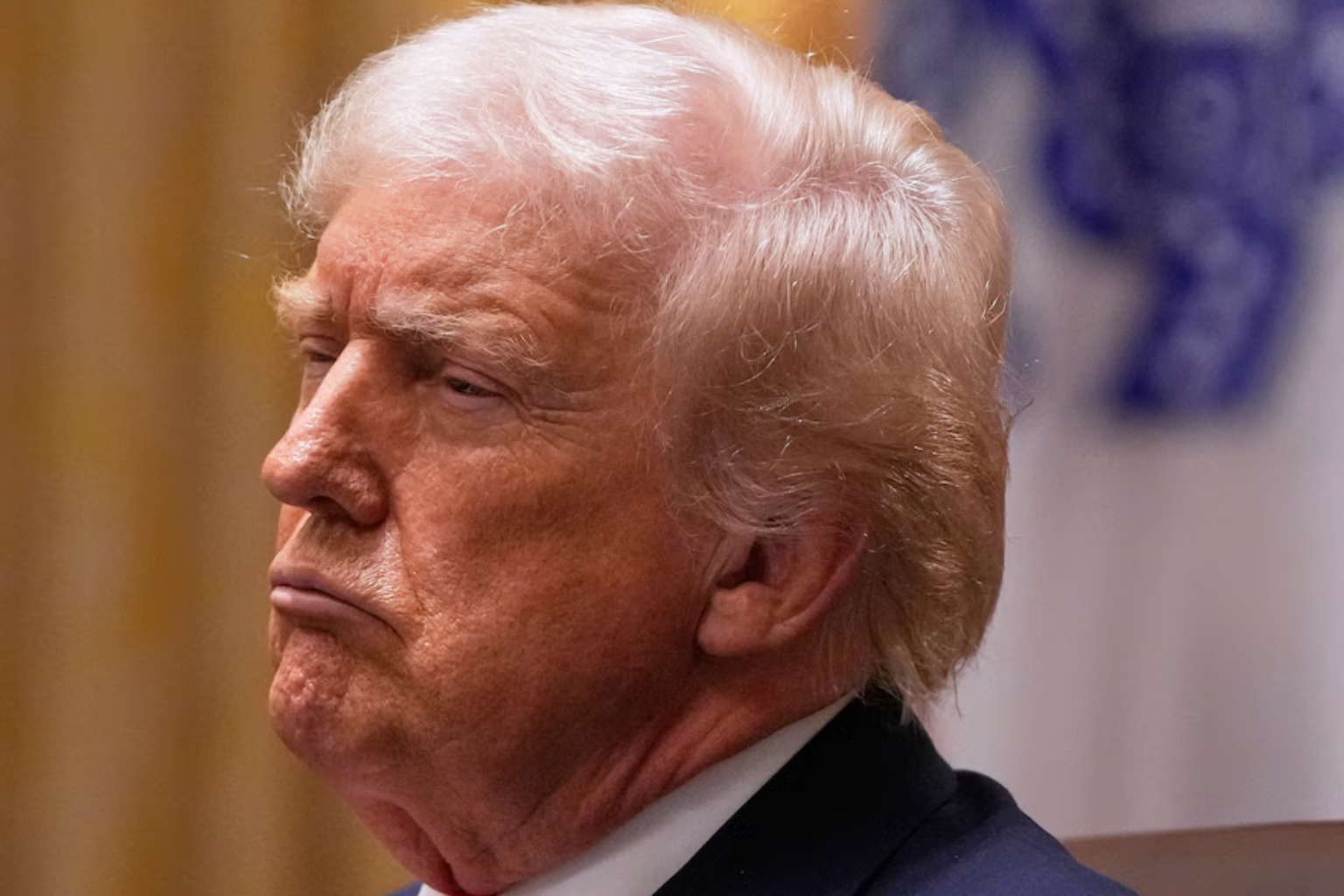
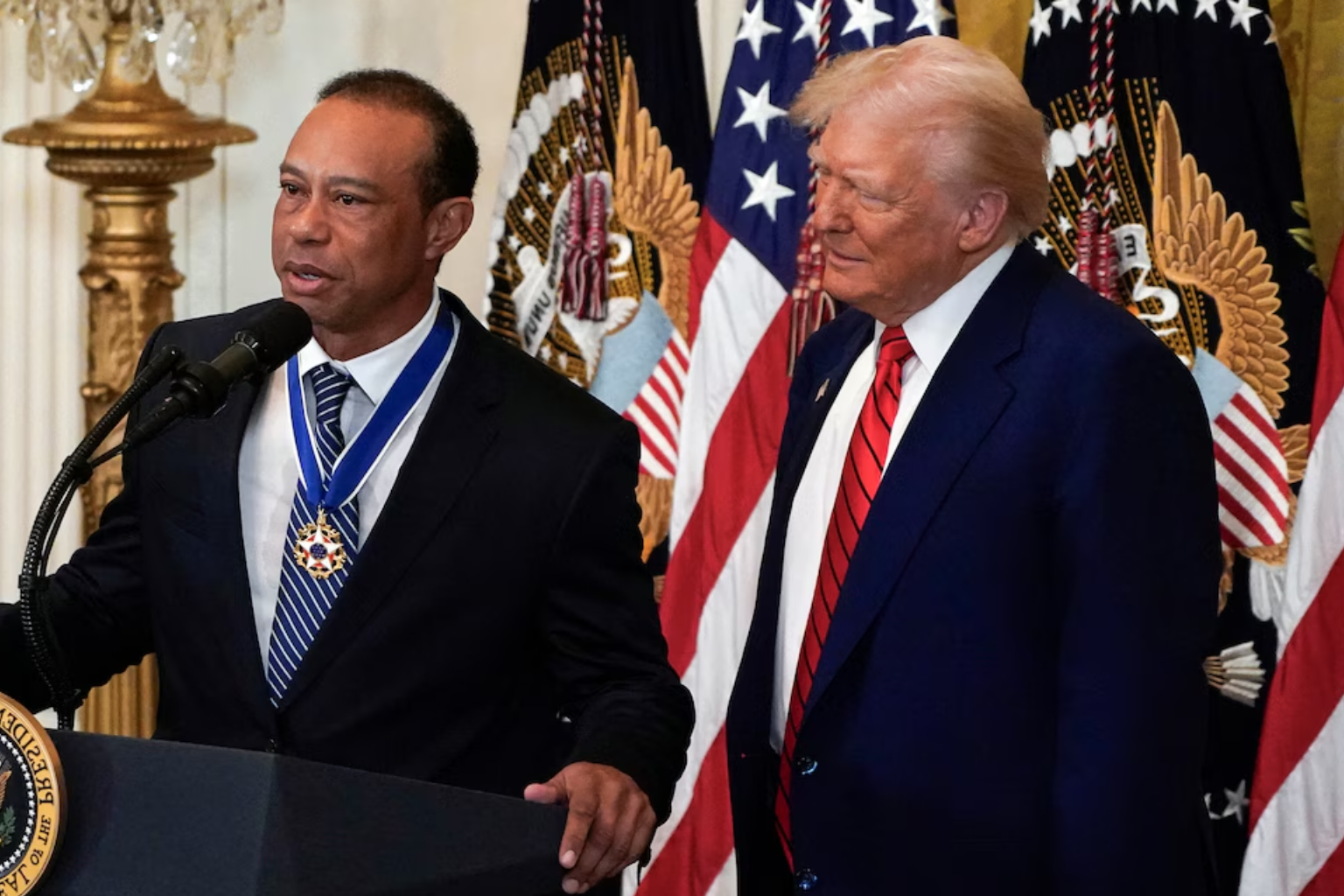
A newly released national survey has delivered a tough assessment of President Donald Trump’s current standing, showing a significant decline in public approval and highlighting growing dissatisfaction across key voter groups.
According to the latest polling conducted by the University of Massachusetts Amherst, President Trump’s approval rating has fallen to 33 percent. This marks the lowest level recorded since he returned to office, reflecting a noticeable decline over recent months. The data shows a steady downward trend, with approval dropping by five percentage points since July and by eleven points compared to April of the same year. At the same time, his disapproval rating has climbed to 62 percent, signaling increasing frustration among a majority of Americans.
Political analysts involved in the survey point to several major national challenges that appear to be shaping public opinion. Rising living costs, instability in the stock market, ongoing international conflict in the Middle East, and the impact of a government shutdown have all contributed to public dissatisfaction. The shutdown, in particular, has disrupted daily life for many Americans, causing delays and long lines at airports, while protests have taken place in various parts of the country.
The survey also reveals a notable shift in support among voter groups that were previously seen as key to Trump’s political success. Approval ratings have dropped sharply among men, working-class Americans, and African American voters, with declines of nearly 20 percentage points in some cases. Additionally, moderate voters and independents—groups that often play a decisive role in elections—have also shown reduced support, with approval falling by 18 points among moderates and 13 points among independents.
These findings are consistent with other recent national polls, which show a similar pattern. A Reuters/Ipsos survey recorded Trump’s approval rating at 36 percent, while a Fox News poll found a 41 percent approval rating paired with a 59 percent disapproval rate, the highest negative rating seen during his time in office. When averaged across more than 70 polls, overall approval trends indicate that public sentiment has reached a new low point during his current term.
Public opinion appears particularly critical when it comes to economic issues, which remain a top concern for most Americans. The poll shows that only 24 percent of respondents approve of the president’s handling of inflation, while 71 percent disapprove. On job-related issues, 30 percent expressed approval compared to 61 percent disapproval. Immigration policy received slightly higher approval at 35 percent, but still faced a 60 percent disapproval rate. Similarly, tariffs were viewed negatively, with only 28 percent approval against 64 percent disapproval.
Foreign policy is another area where the administration is facing criticism. The survey indicates that 63 percent of respondents believe the president is handling the conflict involving Iran poorly, with more than half stating that the situation is being managed “not well at all.” Political divisions remain clear on this issue, as a large majority of Republican respondents expressed support for the president’s approach, while almost no Democratic respondents shared that view.
Despite the overall decline in approval, the president continues to maintain strong backing from his core supporters. The poll shows that 89 percent of individuals aligned with the MAGA movement still approve of his performance, highlighting a deeply divided political landscape in the country.
The survey was conducted nationwide with a sample of 1,000 respondents between March 20 and March 25, and carries a margin of error of plus or minus 3.5 percentage points. Experts describe the current approval figures as a clear sign that many Americans are expressing concern over key issues affecting their daily lives, especially economic stability and national leadership during challenging times.
As the political environment continues to evolve, these polling trends may play an important role in shaping future electoral outcomes and policy debates, particularly as the country moves closer to upcoming midterm elections.
Sources
University of Massachusetts Amherst Poll (YouGov Survey, March 20–25)
Reuters/Ipsos Poll
Fox News Poll
Silver Bulletin Polling Analysis