New Jersey’s Young Voices Join the 2025 Governor’s Contest
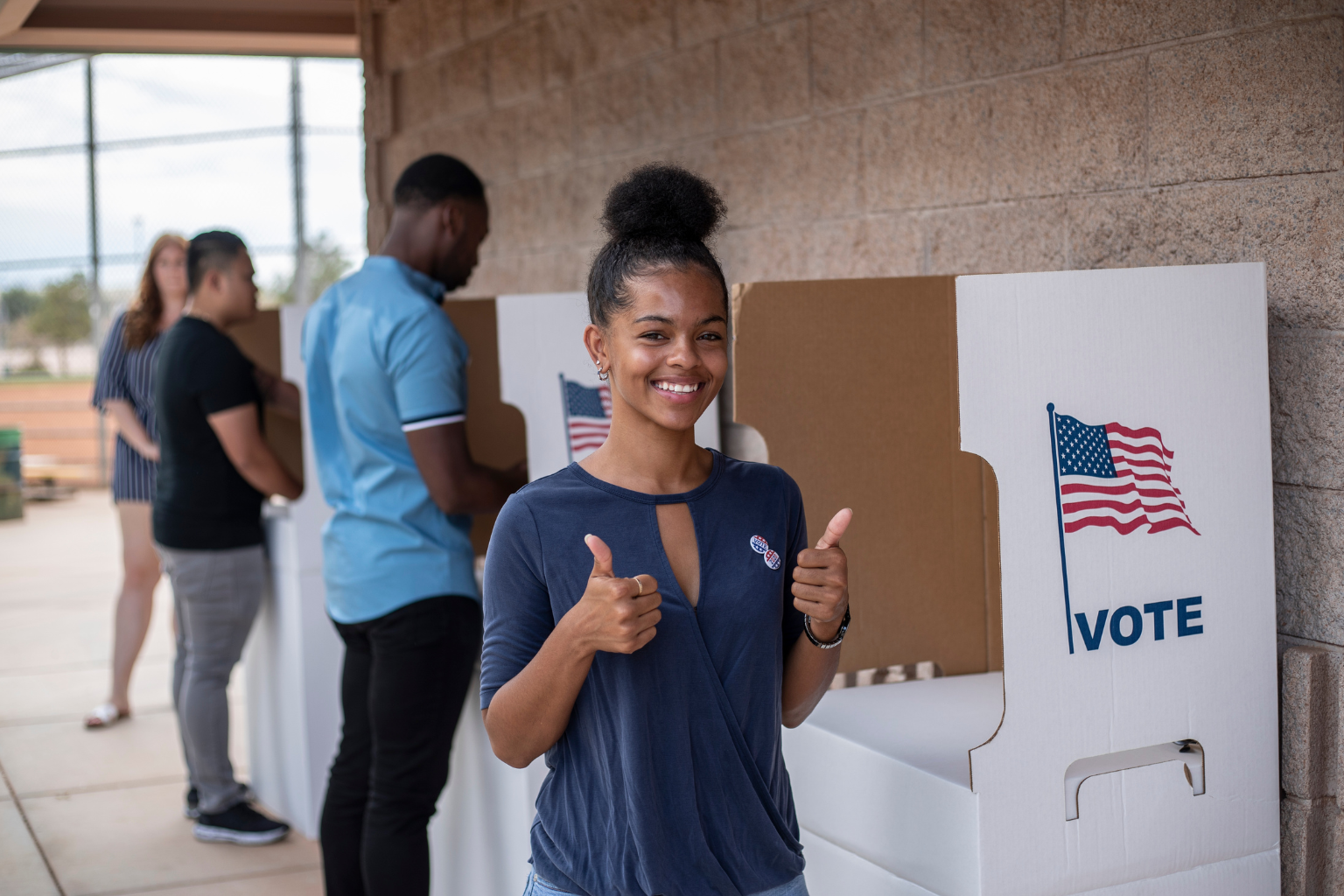
Elementary school kids are contributing to the 2025 New Jersey gubernatorial race in a surprising and impactful way. Statewide, fourth-graders and older youngsters are voting in a mock election to determine the major-party nominees. These young “voters” are not registered electorates, but their participation offers a new viewpoint on civic education and democratic participation.
The state’s civic education initiatives invite teachers to lead pupils through a simulated ballot with the two main candidates. Teachers want to improve students’ awareness of government, elections, and community issues by comparing them to the adult vote. Last year, tens of thousands of students participated and documented student preferences that matched adult electorate outcomes. This year, more classrooms can cast simulated votes and discuss problems.
Younger students learn about the candidates’ platforms and policy agendas in simplified terminology. Teachers cover education funding, state infrastructure, and local government services, which may appear abstract to youngsters but are relevant to their daily lives. Students vote after the debate session, and the results are calculated school-by-school and aggregated. The findings are shared in schools to encourage student thought on the topics.
This activity is renowned for its participation, insight into future voters’ thinking, and emphasis on early civic engagement. While non-binding, student votes show how community values and young priorities can match or differ from adult voting patterns. Educators and election watchers like the capacity to compare patterns—where student decisions match adult outcomes or differ, perhaps indicating civic views.
Mock elections also enhance classroom lectures on governance, rights and responsibilities, democracy, and civic participation. Teachers say “voting” helps young children understand abstract topics. Students are often surprised by how state government actions affect school funding, transportation, and the environment. The exercise prepares pupils for informed citizenship before they may vote.
Some argue that such exercises are symbolic and don’t foretell electoral behavior. Proponents say the process is educational if it sparks conversation, raises awareness, and encourages civic thinking. The expanding number of schools participating shows the need to integrate civic literacy into early schooling.
As the election approaches and adult voters begin mail-in ballots and early voting, children’ behavior parallels the process. Adults are reminded that democracy is a continuous process. When results are in, observers will compare them to historical statistics, polls, and youth participation data. They’ll evaluate the race winner and the younger generation’s opinion.
New Jersey’s invitation to fourth-graders and older to participate in a simulated governor’s election sends a powerful message: democratic engagement begins early and young voices matter—even in the classroom. The effort demonstrates how civic education can evolve and how pre-voting engagement can influence children’s understanding of governance and community roles. New Jersey youngsters are voting and thinking about leadership and policy while the adult electorate prepares to vote.
Sources
Reporting by NJ.com and other local education and civic‐engagement news outlets.