New Jersey’s Small Businesses Face a Once-in-a-Generation World Cup Opportunity
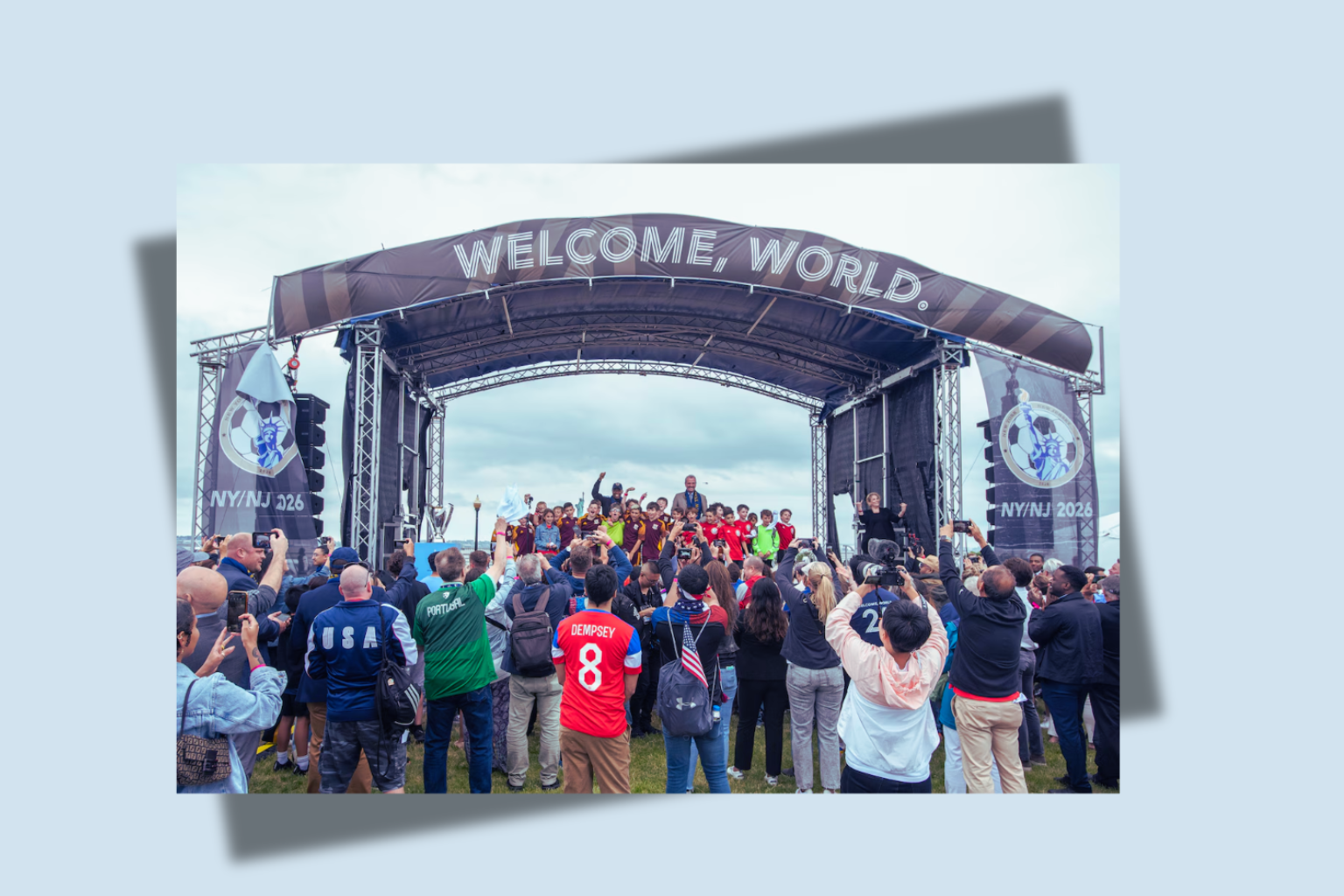
Given the 2026 FIFA World Cup match schedule, New Jersey is gearing ready for one of its largest global events. The region will attract millions of tourists, boosting tourism, culture, and the economy. Despite the focus on stadiums and matchdays, the World Cup’s long-term impact will depend on New Jersey’s small businesses’ readiness.
Small enterprises power New Jersey’s economy. They shape communities, provide jobs, and create unforgettable experiences. When supporters leave the stadium, they’ll first see restaurants, hotels, retail establishments, and cultural venues. Well-prepared, they can improve foot traffic, sales, and brand recognition. However, without preparation, that opportunity may pass.
Results depend on state and local coordination. The NY–NJ World Cup Host Committee has begun preparing communities. An early Community Engagement Toolkit to help governments, cultural organizations, and small companies prepare World Cup activities is remarkable. The toolbox provides local companies with practical advice on holding viewing events and modifying operations for increasing client demand.
Resources alone cannot suffice. These projects succeed if local leaders and company owners use them. Municipalities, chambers of business, and economic development organizations should start planning now rather than waiting for the tournament. Early preparation helps communities organize events, handle logistics, and create welcome environments that represent New Jersey’s variety and hospitality.
In addition, the Host Committee plans to create a small-business initiative next year to increase regional access and participation. A shared regional branding campaign for 2026 will assist towns connect their local events to the World Cup. Each level of government and business leadership must follow through on these initiatives, but they show progress.
Business owners should plan ahead in the coming months. Some are considering altering staffing, extending business hours, supplying translated materials, or partnering with surrounding businesses to build fan-friendly districts to service an international audience. Early decision-making can improve customer experience during the tournament and help firms compete.
Economic impact of the World Cup will extend beyond MetLife Stadium matchdays. Statewide, visitors are expected to stay in motels, eat at local eateries, shop downtown, and visit cultural institutions. This trend allows economic advantages to reach areas beyond the host venue. Small businesses that are ready can benefit long after the matches.
Intentional and planned preparation is required. State agencies, county and municipal governments, and private-sector organizations can help small enterprises with clear communication, resources, and assistance. NJ possesses the infrastructure, workforce, and experience to stage large events. Not leaving local businesses behind requires a coordinated effort.
The message is becoming clearer as 2026 approaches. Beyond sports, the World Cup represents a global economic and cultural opportunity. New Jersey can display world-class soccer, strong communities, local pride, and economic resiliency if its small businesses are encouraged and prepared.
Sources:
State of New Jersey – Official Government Communications
New York–New Jersey 2026 World Cup Host Committee (Official Statements and Public Materials)