
New Jersey Sees First Dip in Bald Eagle Nesting as Bird Flu Impacts Wildlife Population
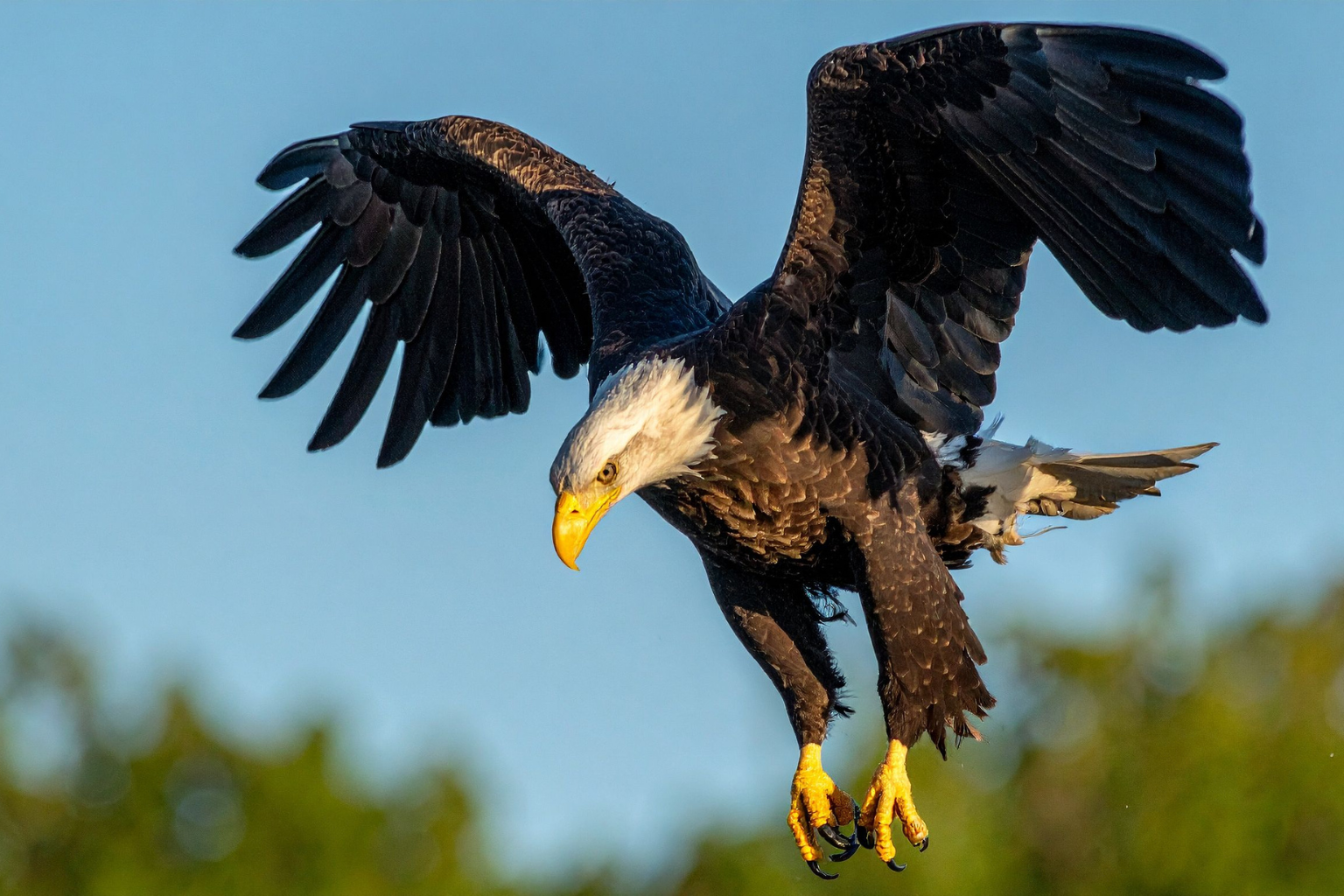
New Jersey’s growing bald eagle population has hit a rare slowdown, as new state data shows a slight decline in nesting activity during 2025. Wildlife officials believe the spread of bird flu across the region’s wild bird population is a key factor behind this unexpected shift.
According to the latest report released by the New Jersey Department of Environmental Protection, the state recorded 251 active bald eagle nests in 2025. This marks a 5 percent drop from 2024, when a record 264 nests were documented. While the decline is relatively small, it comes after years of steady recovery for a species that was once on the brink of disappearing in the state.
Experts point to highly pathogenic avian influenza, commonly known as bird flu, as a major concern. The virus has been spreading widely among wild birds, especially Canada geese and other waterfowl that bald eagles rely on for food. When eagles consume infected prey, they are at high risk of contracting the disease themselves.
State data shows that out of 56 bald eagle deaths examined in 2025, half were linked directly to bird flu. This highlights the growing impact of the virus on top predators within the ecosystem.
The winter outbreak between 2024 and 2025 made conditions worse. Large numbers of sick and dying waterfowl gathered around lakes, rivers, and reservoirs—areas where bald eagles commonly hunt. This increased the chances of transmission and exposed more eagles to the virus.
During a short period from February 12 to March 3, the state received over 16,500 reports of sick or dead wild birds. Most of these cases involved Canada geese, showing how deeply the outbreak affected the food chain.
National data also reflects the seriousness of the situation. New Jersey ranked among the top states in bird flu detections during early 2025, according to federal tracking. Multiple counties reported large bird die-offs, with some areas seeing more than 20 deaths at a single location. In response, a few local parks were temporarily closed to protect public safety and limit further spread.
Despite these challenges, wildlife officials emphasize that the bald eagle population remains strong overall. The species has made a remarkable comeback over the past few decades. In fact, New Jersey had only one known bald eagle nest in the early 1980s. Today, the state supports hundreds of nesting pairs.
In January 2025, bald eagles were officially removed from the state’s endangered species list and reclassified as a species of special concern. This change reflects long-term conservation success, even as new threats like bird flu emerge.
The latest survey counted 298 territorial eagle pairs across the state. However, breeding success showed signs of stress. About 29 percent of nests failed to produce young eagles in 2025, which is higher than the average failure rate of 20 percent over the past decade.
In addition to disease, other causes of eagle deaths included vehicle collisions, physical injuries, and electrocution from power infrastructure. These risks continue to affect the population alongside environmental challenges.
Health experts say the risk of bird flu spreading to humans remains low. However, there have been a limited number of human cases reported nationwide since early 2024. The virus has also been detected in some domestic animals, including cats.
Officials are urging residents to avoid contact with sick or dead birds and to keep pets away from wildlife. Public cooperation is considered essential to protecting both human health and vulnerable species like bald eagles.
Authorities also stress the importance of preserving eagle habitats. Any disturbances near nesting areas, including construction or human activity, can impact breeding success. Residents are encouraged to report such threats so that conservation teams can respond quickly.
While the recent dip in nesting numbers raises concerns, experts say it should be viewed as a warning rather than a long-term trend. Continued monitoring and public awareness will play a key role in ensuring that bald eagles remain a thriving part of New Jersey’s natural environment.
Sources:
New Jersey Department of Environmental Protection
NJDEP Fish & Wildlife
U.S. Department of Agriculture
Centers for Disease Control and Prevention