New Jersey Mayor Walks Out of Council Meeting After Heated Dispute Over Meeting Rules
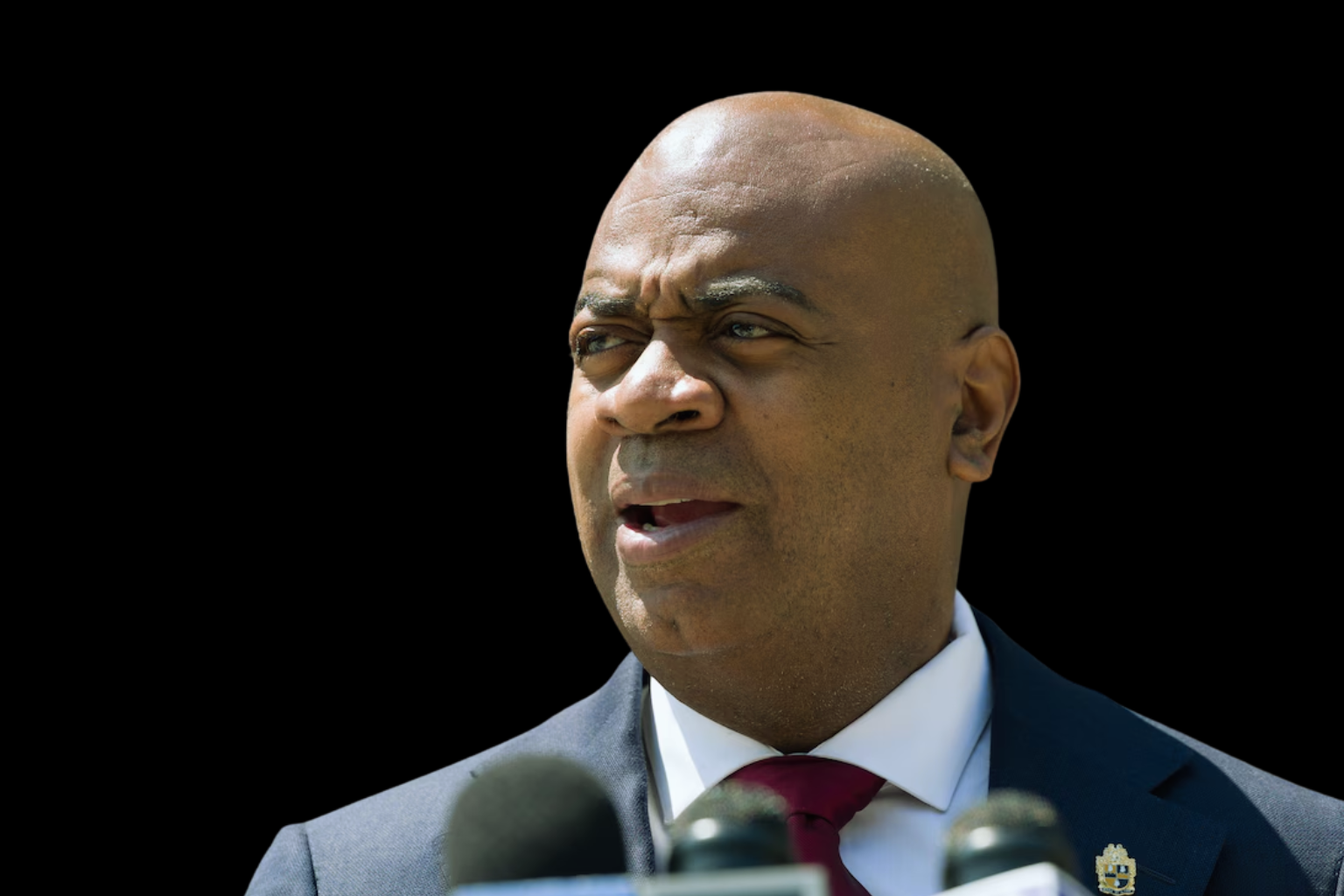
Mayor Dan Rodrick unexpectedly left the first township council meeting of the year in Toms River, New Jersey, after a heated debate with council leadership over new meeting regulations. The incident highlighted local government conflicts and prompted questions about openness, authority, and public engagement in municipal meetings.
Soon after the township swore in three new Republican council members at the annual reorganization meeting, the argument began. Soon after, the council enacted amended meeting rules to enforce more decorum. Council leaders said the modifications were made to reduce interruptions, yelling, and disturbances in recent public and official meetings.
Mayor Rodrick opposed aspects of the revised guidelines as a threat to transparency and democracy. He opposed rules that authorize probes on council members who frequently leave meetings early. The meeting’s most heated discussion was about township ordinances that may result in penalties or jail time for repeated early exits.
David Ciccozzi, who was elected council president that evening, disagreed with the mayor’s interpretation of the regulations and said many of the procedures were in place before the restructuring. He stressed the need to keep meetings on track and avoid distractions.
Mayor Rodrick accused the council of trying to silence him and limit his township issues as the discussion intensified. He publicly asked why a democratically elected mayor would be restricted, hinting that officials may not want hard themes spoken in public. He and the council president exchanged comments, interrupting each other.
The issue exploded when Mayor Rodrick left the meeting in outrage. He boldly told council leadership they could “call the cops” if they thought he was breaking the rules. Council leadership said he could depart and No Enforcement Action will be taken.
Before the mayor left, Council Vice President Thomas Nivison begged him to stay to hear public remarks, saying that the public elected him to represent them. Mayor Rodrick departed the chamber with one council member and the township’s business administration despite the request. After their departure, crowd shouts increased louder during the meeting.
Council leaders denied that the restrictions would lead to arrests or jail time after the meeting, calling such assertions false and exaggerated. They said the guidelines promote courteous discussion and orderly administration, not punishing elected officials for legitimate disagreements.
This conflict is not isolated. Recently, Mayor Rodrick and the township council have argued over the municipal utilities authority and criticized the local school superintendent. These ongoing conflicts indicate deeper township leadership divides and indicate that tensions will persist.
The mayor can participate in township government talks, although local code limits his voting power except in tied votes. That structure has caused friction, especially when policy disagreements become personal and public.
The walkout shows how local governments in New Jersey and nationwide struggle to balance order, public involvement, and openness. Residents follow these developments to see if township leaders can get past internal issues and focus on community concerns.