New Jersey Homeowners Face Another Property Tax Peak as Average Bills Climb Above $10,500
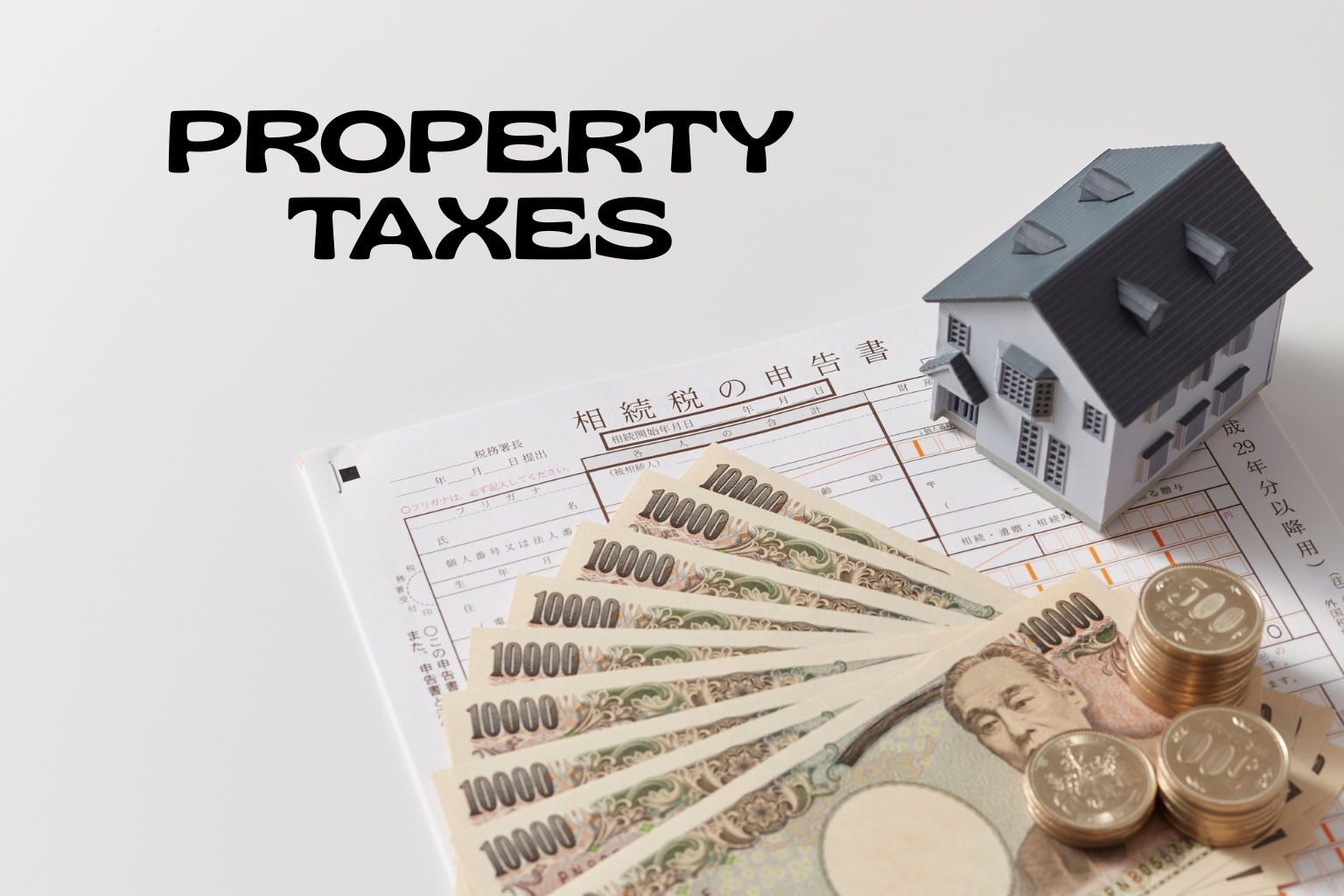
New Jersey homeowners face record property tax bills again. According to the New Jersey Department of Community Affairs, the average property tax payment last year was $10,570. This is the second year in a row that the statewide average has exceeded $10,000, confirming New Jersey’s reputation for hefty property taxes.
A $475 rise in the average cost from last year. That increase hits many families’ budgets already stretched by inflation, housing costs, and other living expenses. While the statewide average is helpful, the impact on homeowners varies greatly by location.
The state’s highest average property tax bill was $38,387 in Tavistock, Camden County. However, this figure is exceptional. Tavistock, a little hamlet with three dwellings, surrounds a magnificent golf club. As golf club members own property there, the housing market is distinct and limited compared to other New Jersey areas.
Millburn, home to the Mall at Short Hills in Essex County, had the second-highest property tax bills. These homeowners paid $26,292 on average last year. Millburn, unlike Tavistock, is a well-established suburban community with a bigger residential base and high property taxes, typical of affluent communities with good schools and local services.
In contrast, some communities have far lower average bills. The lowest Sussex County property tax payment was $1,143 in Walpack. As with Tavistock, special circumstances apply. Walpack is New Jersey’s second-least populous municipality with fewer than ten residents. Since the municipality has no school district or full-time municipal staff, local government spending and property taxes are greatly reduced.
New Jersey’s local governments collect property taxes. Road maintenance, libraries, municipal operations, and public infrastructure are funded by these taxes. Education accounts for a large amount of household bills. Latest state data shows that 52% of the typical property tax payment funds schools. Last year, local education districts received almost 60% of normal tax payments in 178 communities. A hallmark of New Jersey’s system is its strong reliance on property taxes for school finance.
Property tax levels can also be affected by state choices. Increased state aid and other financial support can help towns manage budgets and lessen taxpayer strain. New Jersey has implemented various property tax relief programs in recent years to help qualifying citizens.
Stay NJ, ANCHOR, and Senior Freeze are examples. These state-funded relief measures help seniors and middle-income homeowners overcome some of the high costs of owning property in the state.
For homeowners and prospective purchasers, the latest data confirms that property taxes in New Jersey depend heavily on where you live. Due to limited services or small populations, some areas have lower bills, although suburban and high-performing school districts continue to have state-high averages.
Property tax bills will undoubtedly dominate discussions about affordability, local services, and state policy as they hover above $10,000 for the second year. For now, New Jersey households must navigate a system where location, school finance, and municipal structure form one of the most annual housing costs.
Sources
New Jersey Department of Community Affairs
State of New Jersey Official Property Tax Data and Relief Program Information