
New Jersey Homeowner Shocked to Discover Septic Tank After Years of Believing House Was on Sewer
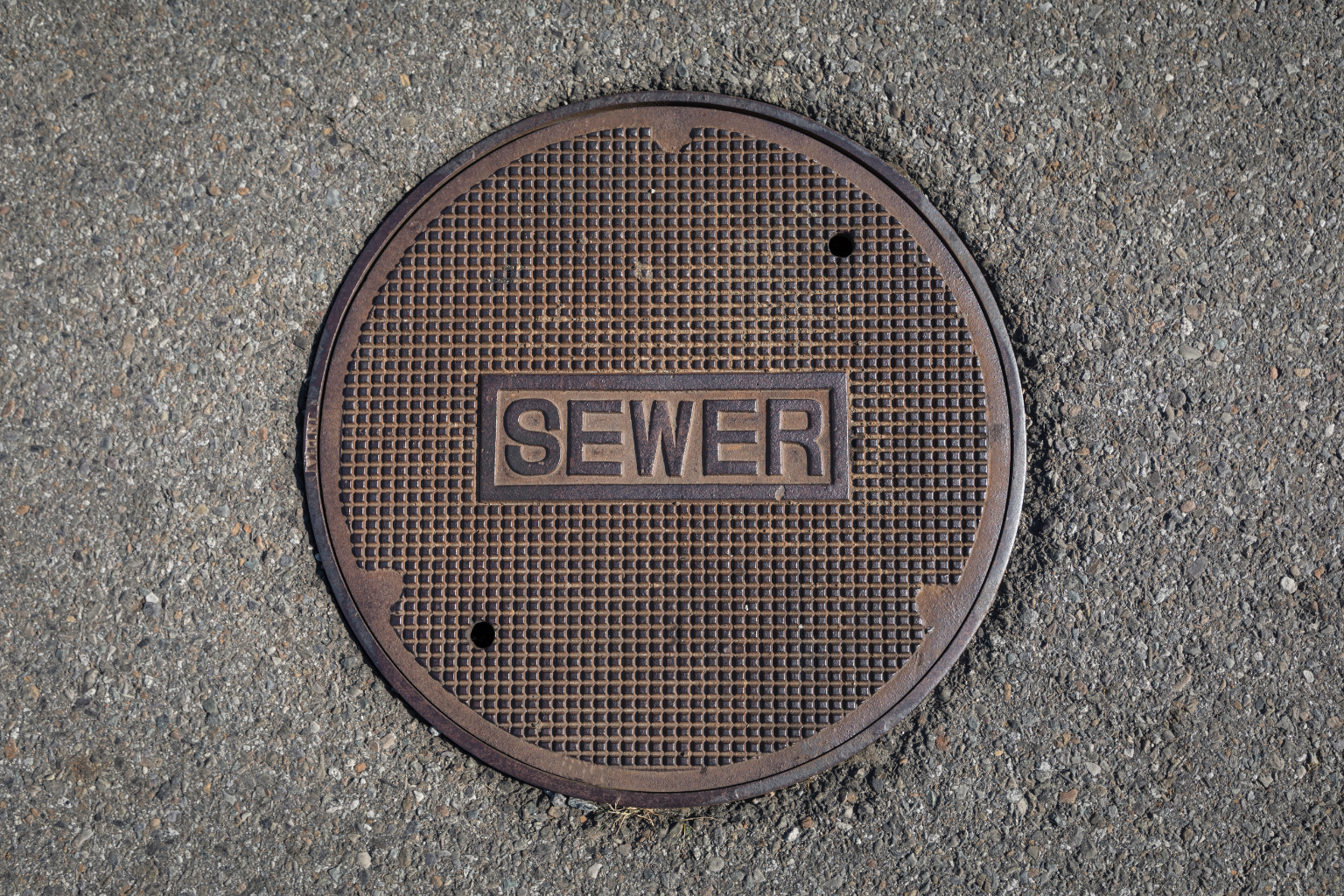
When a New Jersey resident discovered that his property was never linked to the municipal sewer system, despite his long-held conviction, a regular home renovation became unpleasant and pricey.
River Vale resident James Park bought his home several years ago assuming wastewater ran into the town’s municipal sewer. Until renovations revealed a concealed septic tank, that understanding stood. The revelation created sanitary and odor problems and forced Park to reconsider what he was told when he bought the residence.
Park claims the septic system was never revealed during the transaction. He used seller information and pre-closing professional assessments. Park says he had no reason to assume otherwise because the residence was in a developed Bergen County community where most properties had municipal sewer lines.
Park said a sewer-connected home should not have septic system difficulties including unpleasant smells and upkeep challenges. He sued due to unforeseen repair costs and health risks.
Park sued the seller’s estate, executrix, home inspector, and real estate agent. The lawsuit alleges that crucial wastewater system information should have been provided and identified before the sale.
Real estate experts say New Jersey law requires sellers to disclose important facts about a property, including whether it uses a septic system instead of public sewer service. Home inspections should detect significant systems, but culpability depends on the extent and accessible information.
Consumer advocates say this case emphasizes the necessity of buyer due diligence, especially in older homes or those that have switched between septic and sewer systems. Municipal records, utility bills, and direct confirmation from local officials can occasionally reveal data that documentation alone may miss.
The case is being heard by a court to establish if either party failed to give accurate information or inspect the property. The decision may affect New Jersey real estate transactions, particularly in towns with septic systems and public sewers.
The issue goes beyond legal responsibility for Park. He claims the process has been stressful, expensive, and infuriating, turning a simple homeownership into a long struggle. His instance shows that even ordinary house transactions can entail hidden risks and that buyers and professionals need clarification about sewer hookups.
Sources
New Jersey Department of Environmental Protection
New Jersey Department of Community Affairs
Bergen County Property Records Offices