New Jersey Faces an Unusually Early and Intense Flu Surge This Winter
New Jersey health officials describe a significant and early winter flu outbreak, with cases already high. State and federal health records show that the flu season has arrived earlier and stronger than in the past two years, surprising many locals during the holidays.
Clinics, urgent care centers, and emergency rooms around the state are seeing more flu-like symptoms. After cold weather inside meetings, fever, chills, muscle pains, fatigue, sore throat, and cough are common. Influenza A causes most illnesses in New Jersey, according to health experts.
Public health monitors say New Jersey is one of the states with high flu activity. The share of outpatient flu-like visits predicts national influenza trends. COVID-19, RSV, and adenovirus are also present but less active than the flu.
Timing makes this year remarkable. Most US flu cases occur between December and February, with New Jersey having its highest case counts later in winter. The state peaked last season in early February. Flu cases rose before December. By December 20, New Jersey had over 11,000 flu cases, up from the week before and far earlier than last season.
Schools are affected. Statewide K-12 schools reported dozens of influenza outbreaks before Christmas break. This is increased dramatically from last year and indicates how quickly the virus is spreading in close contact groups.
Also affected are hospitals. One in twelve ER visits are flu-related. Increased respiratory hospitalizations, mostly from influenza. This week saw several hundred more hospital admissions than last year, straining the healthcare system.
Older people are more at risk for flu-related hospitalizations. However, state records show children are not spared. This season has seen dozens of severe pediatric flu cases, underlining the need for early prevention and treatment.
Long-term care facilities have reported persistent respiratory disease clusters, with the flu accounting for over half, but fewer outbreaks than in prior Decembers. Health experts warn that these numbers may alter after the month and further data is analyzed.
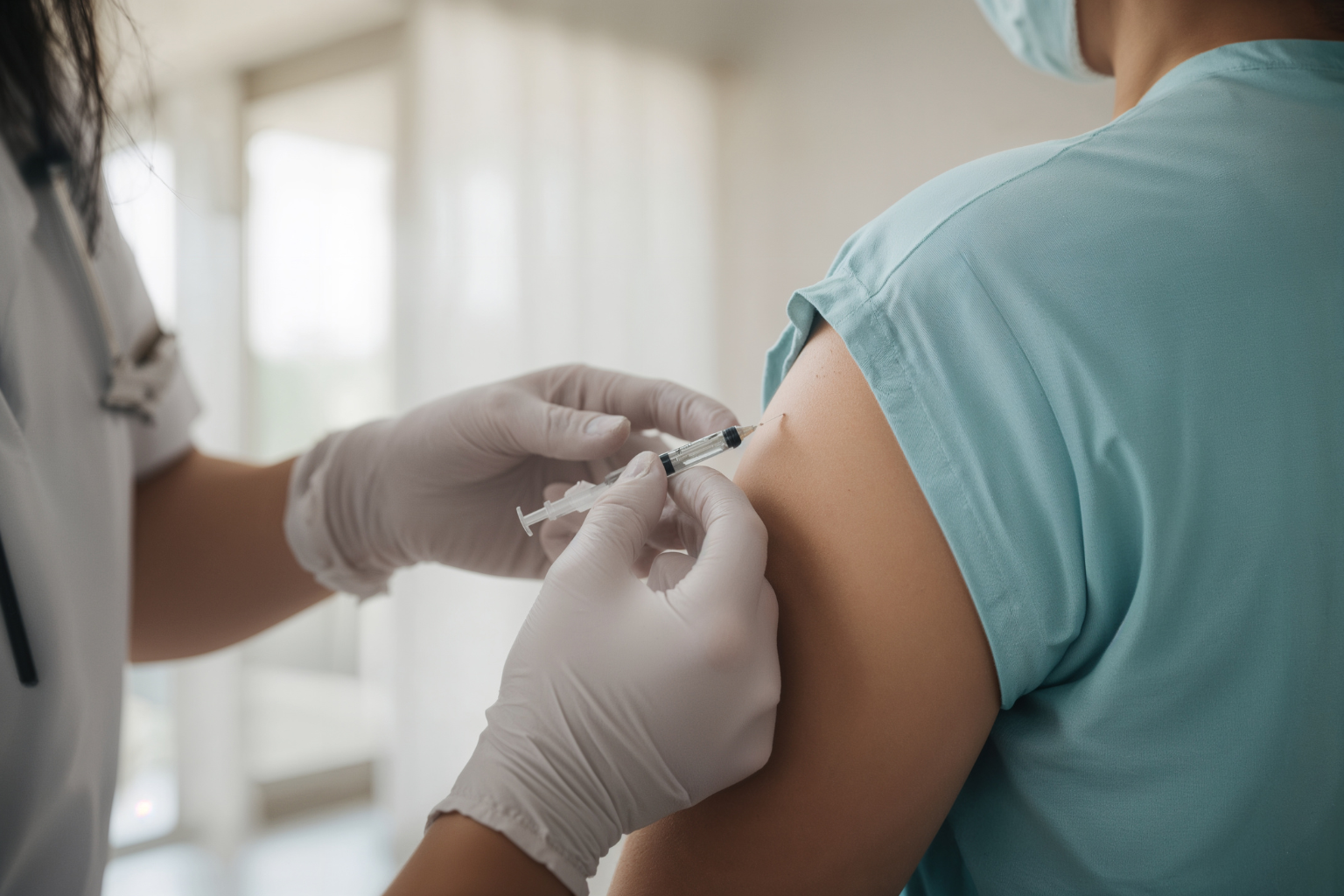
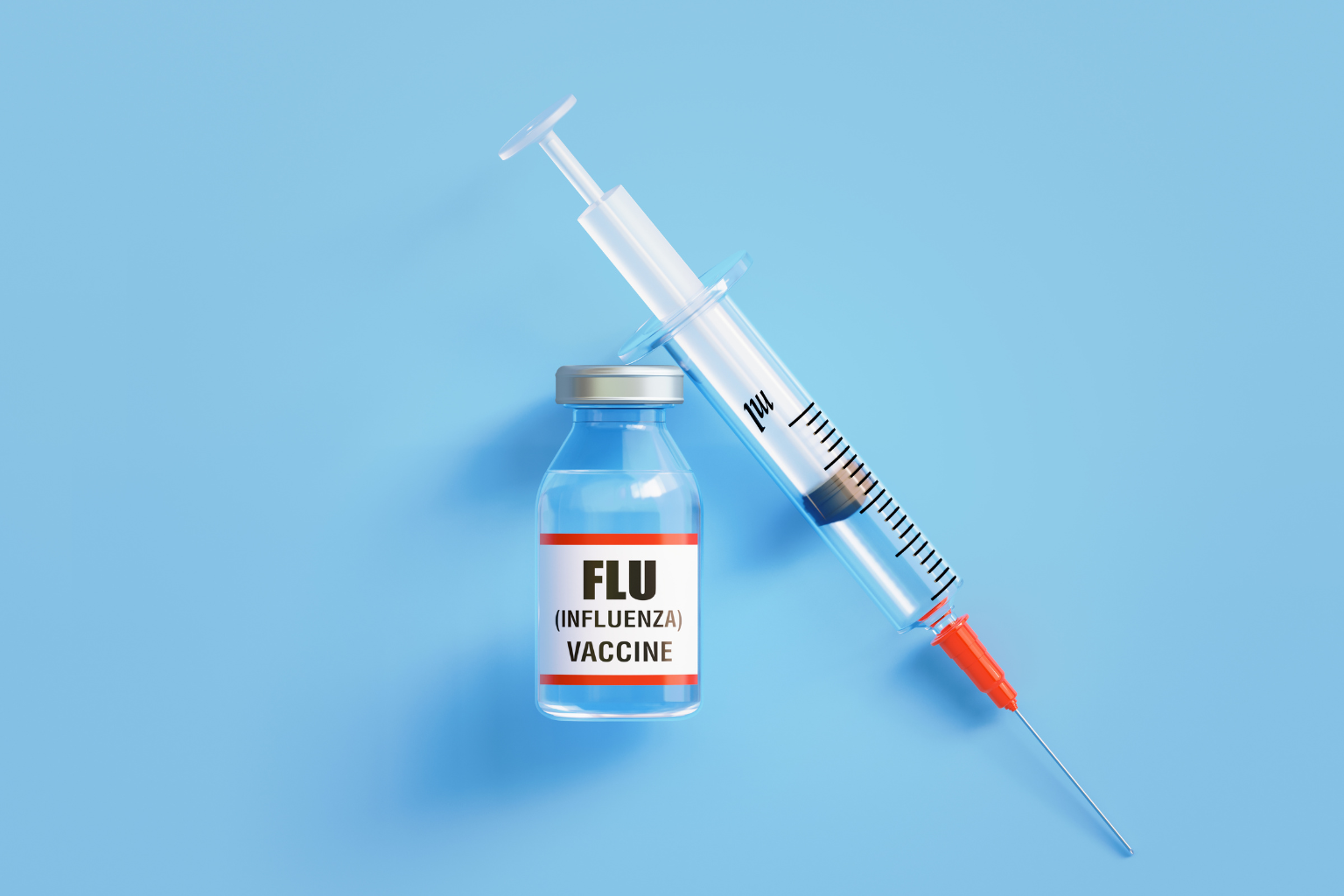
Public health officials say immunization is the greatest way to prevent serious illness, hospitalization, and flu complications. According to federal standards, everyone six months and older should get a flu vaccine, especially seniors, young children, and those with health difficulties.
After accounting for Christmas travel and gatherings, New Jersey health officials predict flu activity to grow this winter. Monitoring symptoms, seeking medical treatment, and preventing sickness are essential for residents.