
Lawmakers Demand Answers as Prediction Markets Come Under Fire After U.S.-Israel Strike on Iran
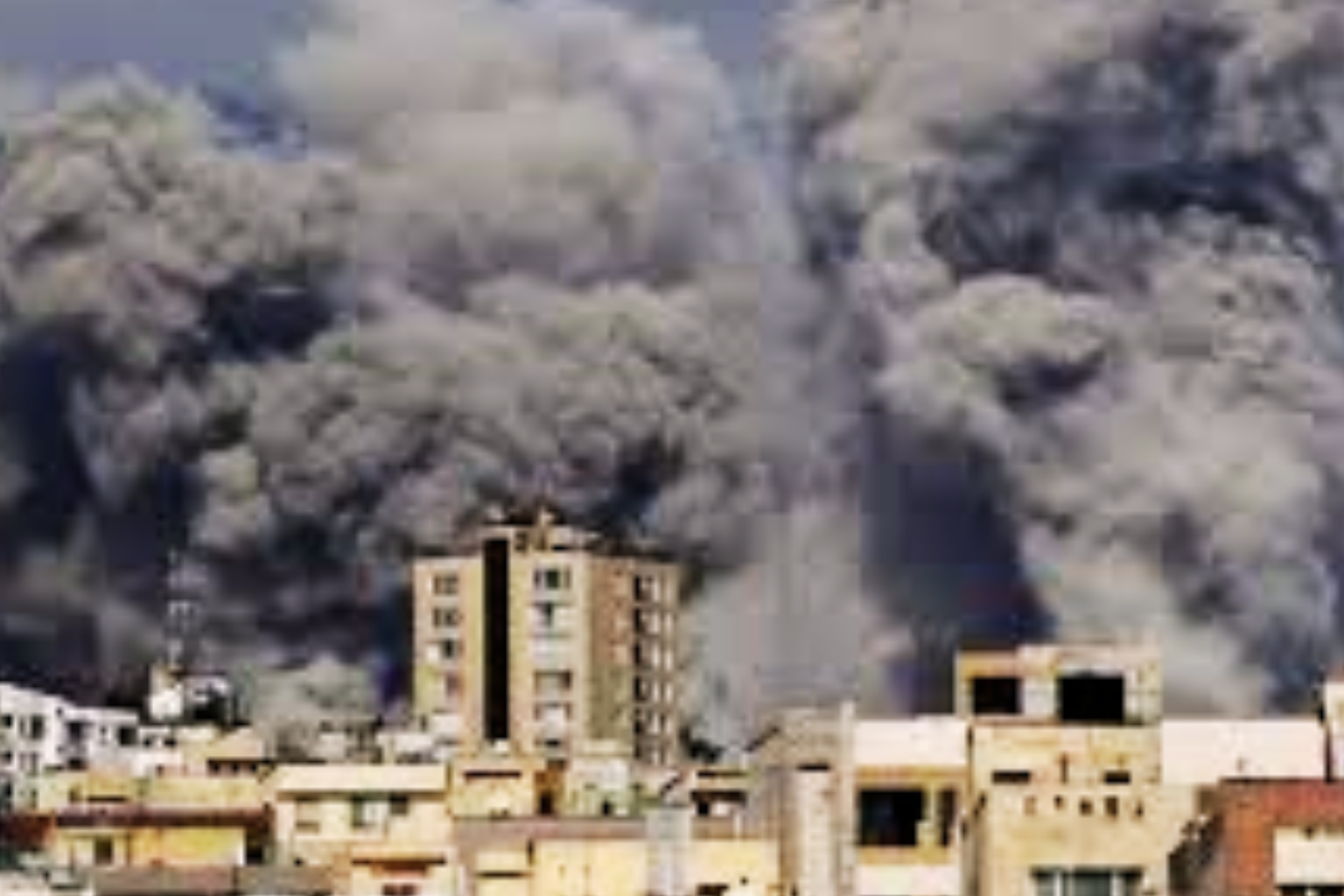
US politicians are blasting prediction markets after a joint US-Israeli military strike targeting Iran early Saturday morning. The strike purportedly killed Iran’s Supreme Leader, Ayatollah Ali Khamenei, and sparked US political and financial turmoil.
The military operation dramatically escalated Middle East tensions. Within hours, Washington turned to internet prediction sites, where users bet on a U.S. strike against Iran and Khamenei’s overthrow. The timing of some trades raises concerns about openness and insider knowledge.
An overseas Polymarket trade was criticized. Lawmakers highlighted public information that a user named “Magamyman” placed huge bets on Khamenei’s resignation and U.S. military action. The deals apparently made over $500,000 in one day.
Representative Mike Levin (D-Calif.) publicly questioned the transaction’s timing. The initial deal was made less than two hours before the military strike was announced. According to reports, the market projected a 17% chance of a U.S. attack. User’s $87,000 investment apparently became over $500,000 overnight.
Levin wondered if military decision-makers used prediction markets for profit. He noted that Polymarket’s consultant, Donald Trump Jr., stressed the necessity for transparency and oversight.
Levin wrote publicly, “Prediction markets cannot be a vehicle for profiting off advance knowledge of military action,” demanding explanations and tighter control.
Other politicians shared worries. Senator Ruben Gallego (D-Ariz.) called the deal “insider trading in broad daylight” and said benefiting off military action and potential deaths was wrong. Senator Chris Murphy (D-Conn.) has blasted such trades and wants to introduce legislation to outlaw them.
The dispute centers on the regulation gap between foreign prediction platforms and U.S. federally regulated ones. Polymarket operates outside the US and is not CFTC-regulated. In contrast, federally regulated platforms must comply.
CFTC-regulated prediction markets cannot sell contracts on wars, assassinations, or other violent occurrences. Insider trading must be clearly prohibited on these sites. These measures are meant to protect financial markets from sensitive national security information or human tragedy, lawmakers say.
Kalshi, a CFTC-regulated prediction market, clarified its regulations after the scandal. The corporation said it doesn’t list death-related markets. Co-founder Tarek Mansour said contracts that potentially result in death are structured to prohibit users from benefitting from it.
The argument has raised questions about how current financial platforms handle global crises. Users can exchange contracts based on real-world event probabilities in prediction markets. These marketplaces can reflect public emotion and provide predicting cues, say supporters. Without sufficient monitoring, they can generate moral risks, especially when linked to military action, political instability, or human loss, critics say.
The issue now involves national security and financial ethics. Congress is considering legislative amendments to tighten loopholes that allow offshore platforms to operate without U.S. scrutiny while drawing American customers.
Geopolitics, digital banking, and regulatory enforcement are increasingly linked as the dispute grows. Multiple state lawmakers want transparency, accountability, and tougher measures to prevent sensitive military actions from being profited from by those with advance information.
New federal legislation to regulate or prohibit prediction market contracts may be introduced in the coming weeks. For now, the focus is on whether laws were broken and whether more oversight is needed to preserve national security and market integrity.
Sources:
Public statements from U.S. Members of Congress
Official information regarding federal market regulations from the Commodity Futures Trading Commission (CFTC)