Judges Order Continued Funding of SNAP Despite Shutdown
In a major weekend verdict, two federal judges ordered the federal government to fund SNAP despite the government shutdown. Separate Massachusetts and Rhode Island cases concluded that the administration must spend emergency reserve monies to prevent millions of Americans from losing food aid.
U.S. District Judge John J. McConnell Jr. in Rhode Island ordered the USDA to use contingency reserves to secure November SNAP payments. He requested an update by Monday, emphasizing that vulnerable household benefits cannot be used as leverage in a political standoff. In Massachusetts, U.S. District Judge Indira Talwani declared SNAP funding suspension “unlawful.” She ordered the USDA to decide by Monday whether to disburse full or partial benefits with available funds. Both justices rejected the administration’s claim that statutory rules prevented contingency fund utilization amid the funding deadlock.
In the lack of an allocated budget and stating that the contingency fund was for natural disasters, the government planned to stop SNAP payments on November 1. The lawsuits filed by 25 states and the District of Columbia claim that the fund holds $5 billion and another $23 billion is available. The USDA’s view contradicted Congress’s apparent desire that SNAP continue even when funding bills lapse, these states said.
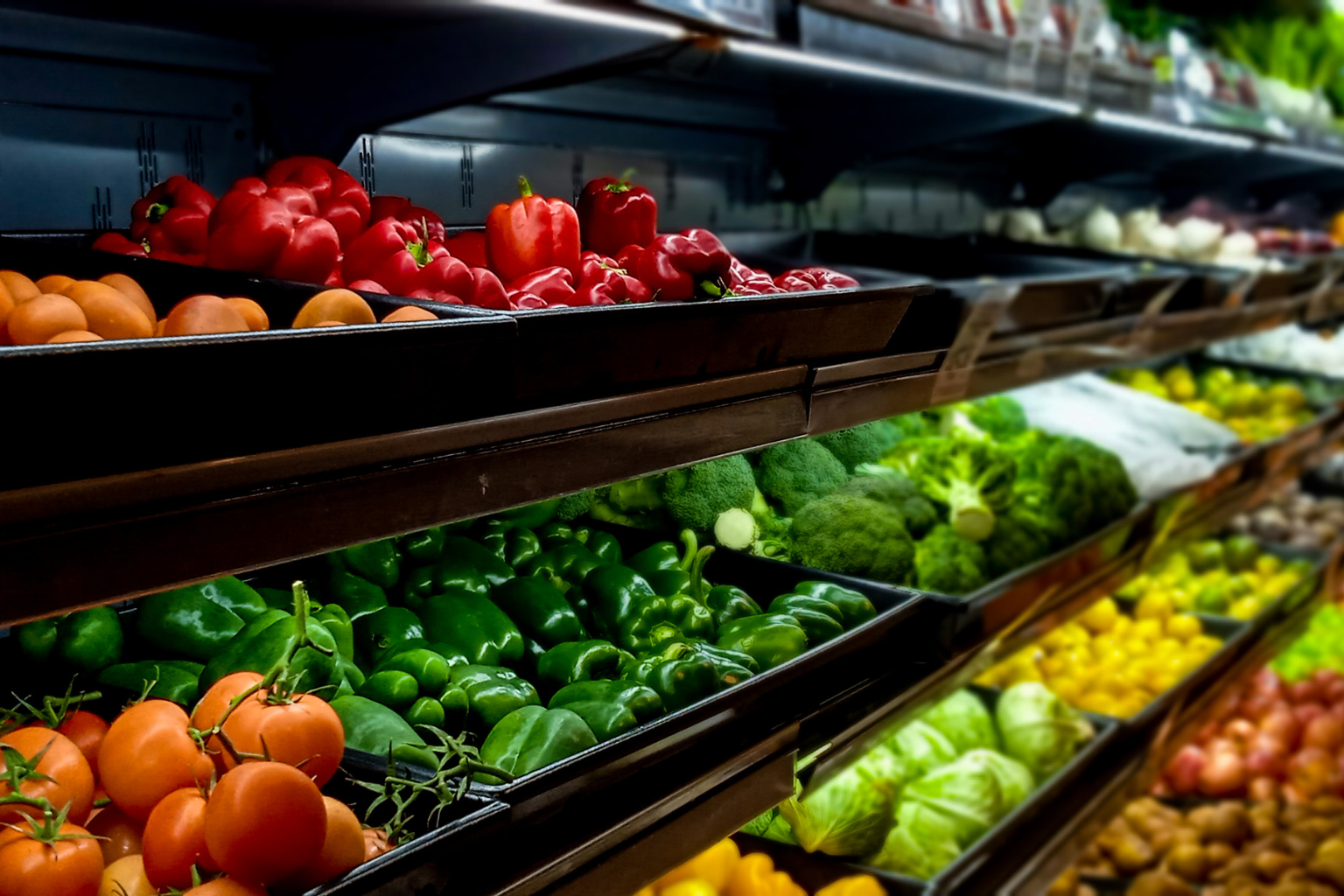
About one in eight Americans use SNAP, which costs the federal government $8 billion per month. Debit cards help millions of low-income families, retirees, and veterans buy groceries. Any benefit stoppage might force recipients to pick between food and vital expenditures, overburden local food banks, and harm public health, advocates warned.
Because state agencies and contractors need time to refill debit cards, beneficiaries may experience delays notwithstanding court judgments requiring payments to resume. How quickly payments will reach recipients and if full or partial benefits will be reinstated are unknown by the USDA. The government may appeal, but the judges’ orders stand.
The dispute contrasts congressional gridlock with the federal government’s duty to fund safety-net programs. With the shutdown and no spending resolution, the rulings put pressure on government agencies to find legal ways to retain important services. SNAP is essential to U.S. food aid, and a suspension would have had widespread effects. The court orders require the USDA to move quickly, although time and benefit levels remain unclear.
Sources
Associated Press
Reuters
CBS News
TIME