How Holiday Habits Can Affect Your Heart Health
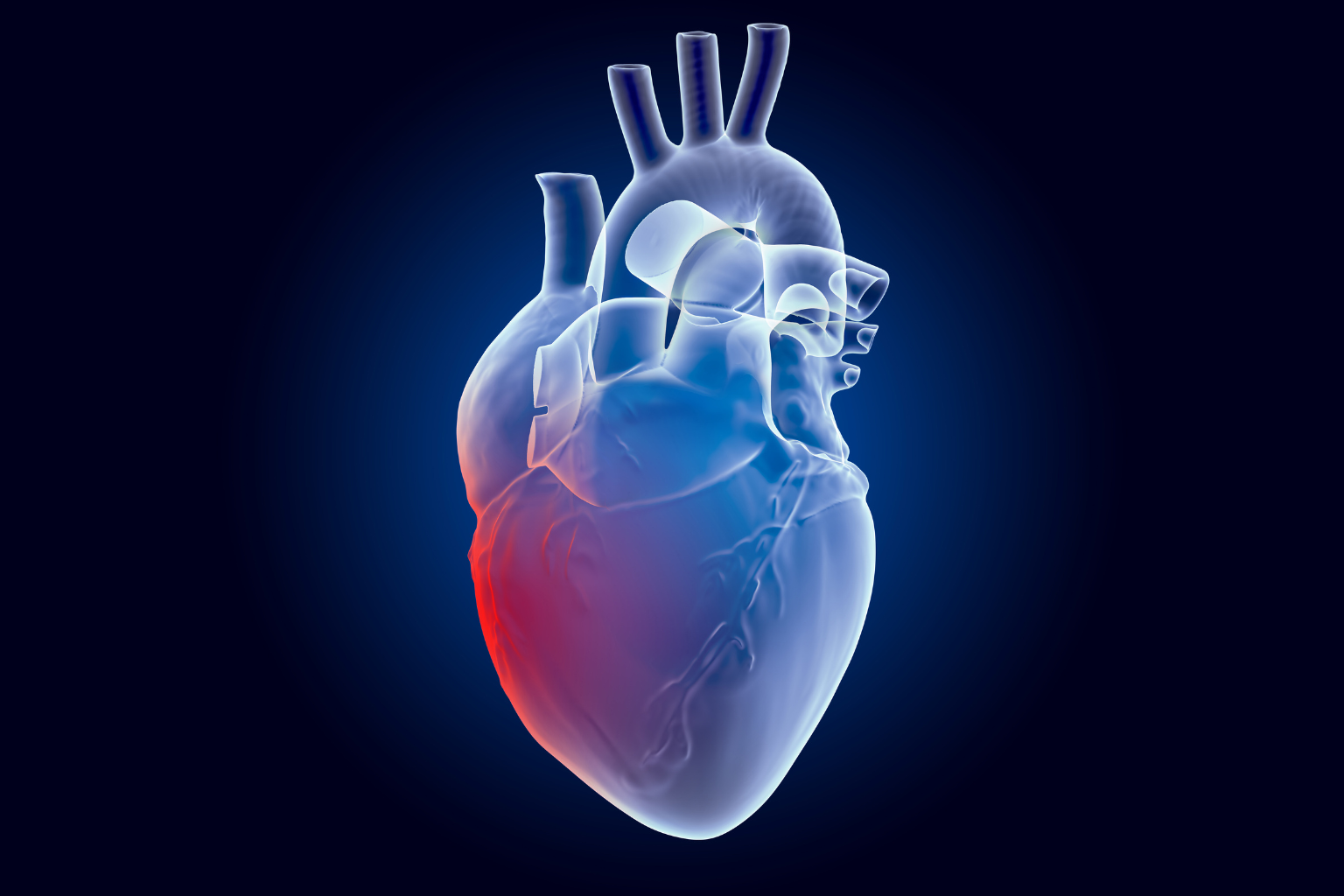
Holidays bring celebrations, family gatherings, and food and drink. Though pleasurable, these events can bring hidden heart health risks, especially through “holiday heart syndrome.” Atrial fibrillation, an irregular and fast heartbeat, can diminish cardiac efficiency and cause fatal problems if left untreated.
Atrial fibrillation (AFib) happens when the heart’s upper chambers beat irregularly, reducing blood flow and risking stroke or heart failure. While anybody can get AFib, it is commonly triggered by excessive alcohol intake, overeating, stress, or dehydration around the holidays. The dangers of binge drinking are that non-drinkers may be more susceptible to these rapid bouts.
According to Dr. David Feingold, a cardiologist with decades of experience, the term “holiday heart” is dangerous and can harm cardiovascular health. He says alcohol is the main cause, but salty meals and other holiday indulgences can also strain the heart by drawing fluid in. Cardioversion—a regulated electrical shock to reset the heart rhythm—may be needed to restore heart function in extreme situations.
For heart health during the holidays, experts recommend moderation and prevention. Limiting portion sizes, choosing lighter foods, alternating alcoholic drinks with water, and not drinking on an empty stomach are simple strategies. Taking brief walks and noticing unexpected symptoms like chest fluttering or soreness might also help avert complications. Continued irregular heartbeats require medical treatment.
Holiday heart syndrome is usually transient, but prolonged heavy drinking can weaken the heart muscle and induce cardiomyopathy. This emphasizes the significance of taking occasional and continuing risks seriously.
Fortunately, cardiac treatment has greatly improved heart patients’ outcomes. Minimally invasive surgeries, improved pacemakers, and home cardiac rhythm monitors are modern treatments. Heart disease has become controllable and preventable because to these technologies and increasing awareness.
Holidays and beyond should be celebrated properly while listening to the body. Manage drink and food intake, seek medical advice, and maintain balance to protect the heart and have a safe, healthy Christmas season.
Sources:
American Heart Association
Centers for Disease Control and Prevention (CDC)
National Institutes of Health (NIH)