


Hoboken Tightens Grip on E-Bike Violations Ahead of New State Law Rollout
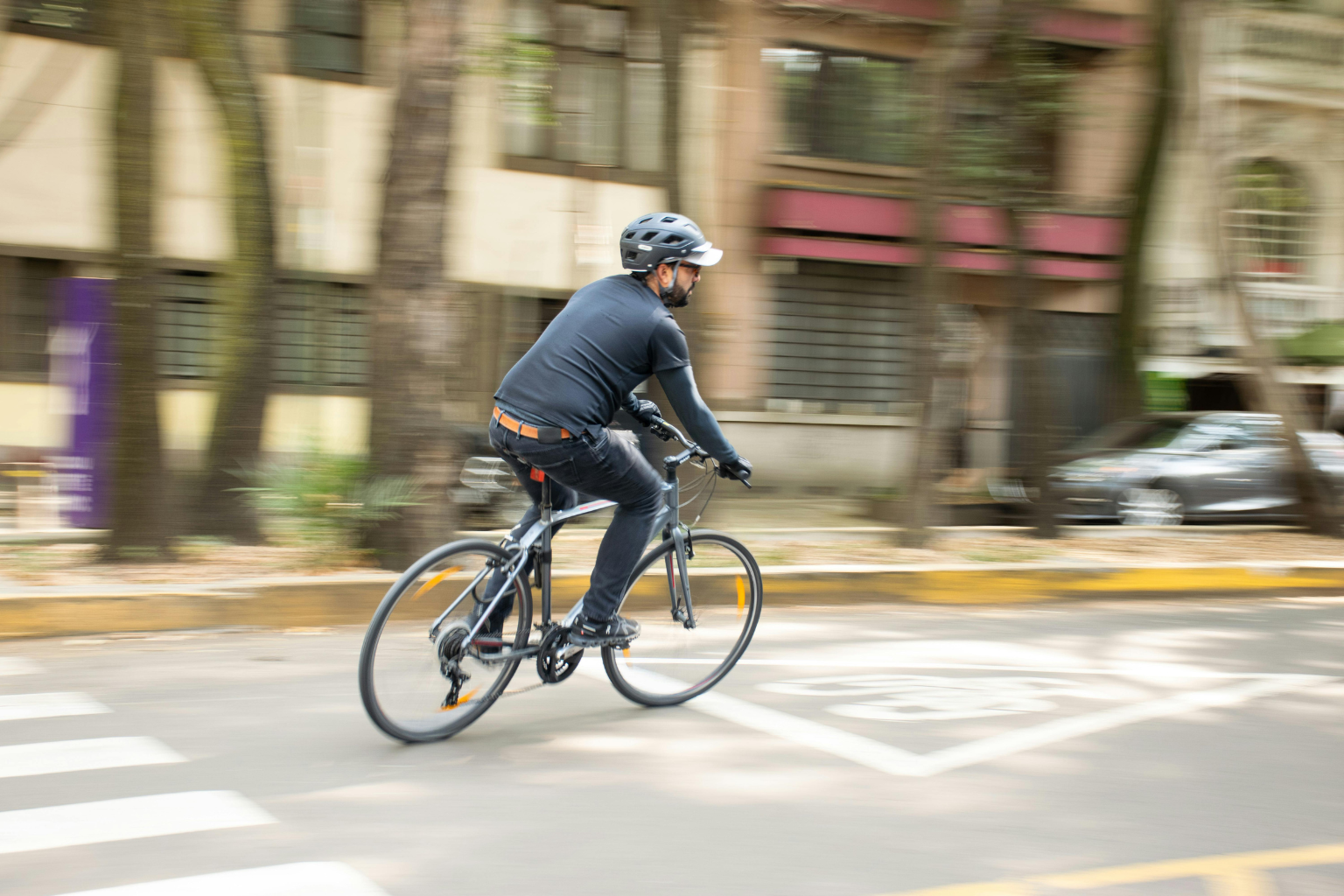
A noticeable rise in enforcement against e-bike violations is unfolding in Hoboken, New Jersey, even before the state’s updated e-bike regulations officially take effect this summer. Local authorities have stepped up monitoring efforts as the use of electric bikes continues to grow rapidly, especially among delivery riders navigating busy city streets.
According to Hoboken Police, more than 160 summonses were issued between January and March for a range of violations involving e-bike riders. A more detailed breakdown later revealed a total of 182 citations during this three-month period, highlighting an aggressive push by the city to improve safety and ensure compliance with traffic laws.
The violations covered a wide range of unsafe and unlawful behaviors. The most common offenses included failing to observe traffic signals, riding on sidewalks, and operating without proper safety gear. Dozens of riders were cited for ignoring red lights or stop signs, while many others were penalized for using sidewalks instead of designated roadways. Authorities also reported cases involving unregistered bikes, unlicensed riders, lack of insurance, and even riding in the wrong direction on streets.
Police officials have made it clear that this enforcement campaign is not temporary. They are urging all e-bike users to follow traffic rules strictly or face continued penalties. The message is particularly directed at commercial riders, many of whom operate under tight delivery timelines linked to food delivery platforms. These riders are also required by city rules to wear high-visibility safety vests, a regulation that has already led to multiple citations.
Despite the current crackdown, officials still recognize the value of e-bikes as a convenient and efficient mode of transportation in a dense urban environment like Hoboken. However, they emphasize that safety must come first, especially as the number of riders increases and streets become more congested.
Hoboken has long been considered a leader in urban cycling infrastructure within New Jersey. The city began investing in bike-friendly initiatives more than a decade ago, including plans to expand protected bike lanes across most streets. In 2019, it successfully introduced bike lanes along Washington Street, one of its busiest corridors, despite initial resistance from local businesses concerned about parking availability.
Now, the rapid growth of e-bikes—driven largely by the expansion of app-based delivery services—has introduced new challenges. Police reports show that incidents involving e-bikes are becoming more frequent, with some cases involving serious violations. In one example from March, a rider was charged with resisting arrest and multiple traffic offenses after attempting to flee while operating a high-speed e-bike.
At the same time, the legal landscape surrounding e-bikes in New Jersey is undergoing a major shift. A new state law signed earlier this year will soon replace the existing classification system for e-bikes. Previously, e-bikes were divided into three classes based on speed and operation, but those categories will be eliminated under the updated law.
The new legislation introduces three revised categories: low-speed e-bikes, motorized bicycles, and electric motorized bicycles. Each category comes with stricter requirements aimed at improving accountability and safety on the roads.
Under the upcoming rules, riders will be required to wear helmets, register their e-bikes, carry insurance, and hold a valid driver’s license. Younger riders aged 15 and 16 must have a permit or special license, while children under 14 will not be allowed to operate e-bikes at all. The law also provides a six-month grace period for riders to meet these new requirements after it comes into effect.
However, questions remain about how these rules will be enforced. Some of the recent citations issued in Hoboken appear to relate to requirements that are part of the new law but may not have been clearly defined under previous regulations. This has created uncertainty among riders and raised concerns about consistency in enforcement.
An analysis by a public policy institute at Rutgers University pointed out that the legislation contains certain inconsistencies, particularly regarding how different types of e-bikes are categorized and how licensing and insurance requirements apply. These gaps have led to confusion among both riders and enforcement agencies, with further clarification expected as the implementation date approaches.
For now, Hoboken’s strict enforcement approach signals a clear warning to e-bike users: compliance is no longer optional. As the city prepares for the statewide legal changes, authorities are prioritizing safety and accountability to ensure that e-bikes remain a beneficial, rather than disruptive, part of urban transportation.
Sources
Hoboken Police Department
State of New Jersey Government
Rutgers University Edward J. Bloustein School of Planning and Public Policy