High Court Blocks Trump’s Global Tariffs, Deepening Political Divide Over Trade Powers
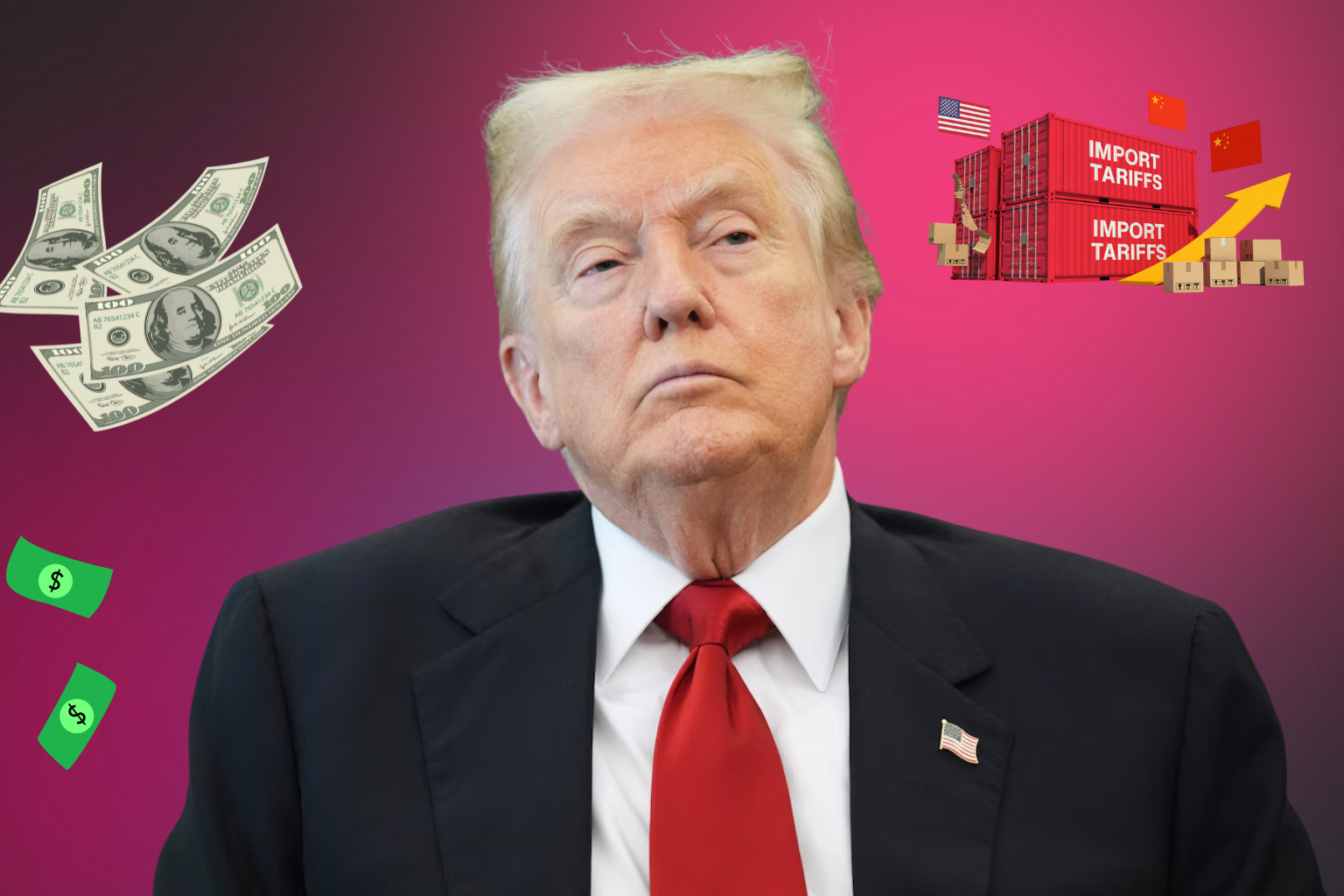
The Supreme Court overturned many of former President Donald Trump’s global tariffs, reshaping presidential authority and trade policy. The verdict pushed back a crucial portion of Trump’s economic program and sparked furious reactions from Democrats and Republicans nationwide.
Rarely has the Supreme Court limited presidential power over commerce, as in the 6–3 decision. The majority concluded that many Trump administration tariffs were illegal, highlighting that Congress, not the president, can levy taxes and penalties.
Article I, Section 8 of the Constitution gives Congress the jurisdiction “to lay and collect Taxes, Duties, Imposts and Excises.” The court remarked that the Framers of the Constitution carefully entrusted the taxing power to the legislative branch because they valued it. Because tariffs are import levies, the majority found that the president exceeded his authority in enacting broad trade measures without congressional permission.
The ruling was dissented by Alito, Thomas, and Kavanaugh.
Importantly, the judgment does not permanently ban tariffs. The court clarified that a president can impose trade duties under tougher statutes with clearer scope and timing constraints. However, the verdict severely restricts the legal basis for many Trump-era global tariffs.
Whether corporations who paid billions under such tariffs will get refunds is unclear. The majority ruling did not address how or if the government should repay payments. Justice Kavanaugh’s dissent noted that repaying importers could be complicated and messy, noting that oral arguments acknowledged the possible refund process’s difficulty.
The political response was quick and divided.
Several Democratic MPs called the verdict a constitutional fix. Representative Nellie Pou of New Jersey said the court finally made the proper call. Representative Angie Craig of Minnesota said the verdict validated what many in her state already believed: that the tariffs were illegal and unjust to farmers, small businesses, and consumers. Arizona Representative Greg Stanton called the tariffs an illegal levy on Americans.
Representative Gabe Vasquez hailed the judgment, saying the president’s tariff use was inconsistent and risky. He highlighted that Congress oversees the nation’s finances and no president is above the law.
Some Republicans supported the court’s ruling. Senator Rand Paul of Kentucky said the decision clarified constitutional power.
Many conservatives and Trump supporters were frustrated and critical. Ohio Senator Bernie Moreno called the verdict disgusting and warned that it hinders efforts to combat unfair international trade practices. He claimed tariffs protected American jobs, revitalized industry, and squeezed China.
The verdict undermined U.S. sovereignty, according to right-wing activist Scott Presler, who said attacking foreign economic practices is essential to national independence. Gunther Eagleman, a political expert, said the verdict limits one way to impose tariffs, but there are others.
Turning Point USA spokesperson Andrew Kolvet also condemned the court’s decision but noted that the president has other trade policy tools besides emergency declarations.
The Supreme Court’s verdict highlighted the presidential power and economic strategy argument at a politically delicate time. Supporters say the decision protects constitutional checks and balances, but detractors say it limits domestic industry protections.
The case emphasizes the separation of powers between the legislative and executive departments. The court upheld constitutional limits by reaffirming Congress’s tax and trade duties power.
The ruling’s economic and legal effects are unknown. Rebates, tariff schemes, and congressional action will likely define trade debates in the coming months.
For now, the judgment marks a turning point in the national debate over trade, presidential authority, and Constitutional constraints.
Sources
United States Supreme Court
Official statements from members of the U.S. Congress
Public remarks from elected officials and political organizations