
Hidden Deer Population at Liberty State Park Sparks Debate as New Jersey Plans Removal
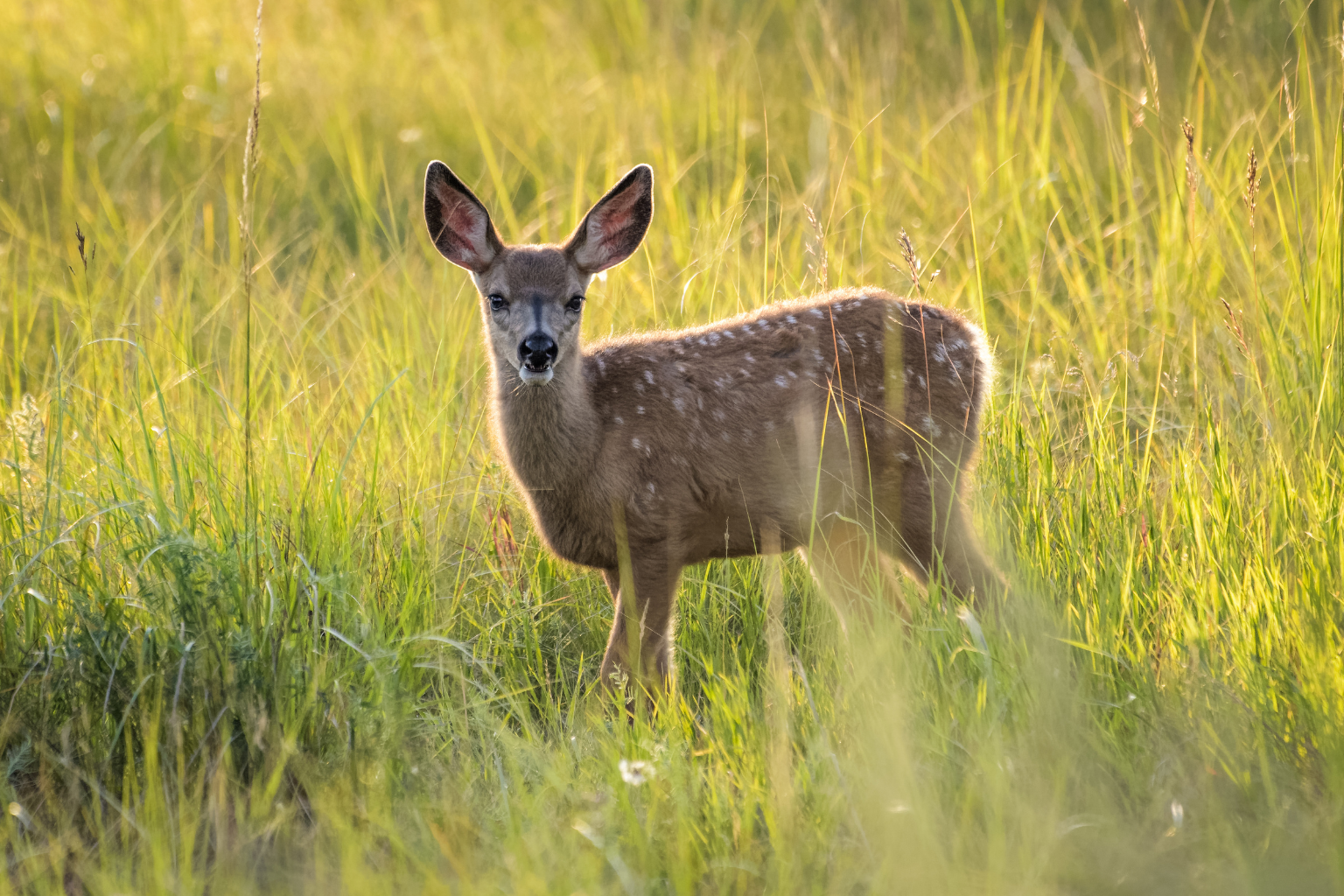
A quiet and rarely seen wildlife population in one of New Jersey’s most urban areas is now at the center of a growing public debate, as state officials move forward with a planned deer removal operation at Liberty State Park in Jersey City.
According to state authorities, the New Jersey Department of Environmental Protection (DEP) has approved a controlled, short-term effort to remove white-tailed deer from a restricted section of the park. The operation is scheduled to begin this week and will focus on a 200-acre area that has been closed to the public for years due to soil contamination involving hazardous substances such as lead and arsenic.
Officials say the decision is directly tied to an upcoming environmental cleanup project. The fenced-off land is part of a broader revitalization plan aimed at restoring the area and eventually reopening it for public use. In preparation for that cleanup, vegetation that once supported the deer population has already been cleared, leaving the animals without sufficient natural food and shelter.
State representatives emphasized that the removal effort is being conducted as part of a larger environmental and public safety strategy. The long-term plan includes transforming the currently inaccessible land into a mix of natural habitats such as wetlands, meadows, and forested areas, along with improved recreational spaces for residents and visitors.
Despite these plans, the move has sparked criticism from local advocates and community voices. Some argue that the decision to kill the deer, rather than explore alternative solutions, raises ethical concerns. Critics point out that many residents are unaware that deer even exist within Liberty State Park, making the situation both surprising and emotional for the public.
Local environmental advocates have expressed concern that the action may be unnecessary or overly harsh, especially given the limited visibility of the deer population. For many urban residents, occasional sightings of wildlife in such a densely populated area are considered rare and meaningful experiences.
State officials, however, maintain that relocation is not a viable option. According to DEP guidelines, moving deer to other locations or facilities is restricted due to the risk of spreading disease. In addition, experts note that deer are highly sensitive animals, and the stress caused by capture and transport can lead to serious health complications or death.
Authorities have also stated that the operation will take place only during park closure hours to ensure public safety. While specific details about the number of deer involved or the methods being used have not been disclosed, officials confirmed that the effort will be completed within a limited timeframe, expected to last about a week.
The situation highlights a broader challenge faced by urban and suburban regions: balancing wildlife management with environmental restoration and community expectations. In this case, the presence of deer in a largely hidden and contaminated area has created a complex scenario where ecological, ethical, and public safety concerns intersect.
As New Jersey moves ahead with its plan, the discussion surrounding wildlife management in urban spaces is likely to continue. The outcome at Liberty State Park may also influence how similar situations are handled in other parts of the state in the future.
Sources
New Jersey Department of Environmental Protection (DEP) official statements and policy guidelines.