Growing Doubts About Election Fairness Surface as 2026 Midterms Approach
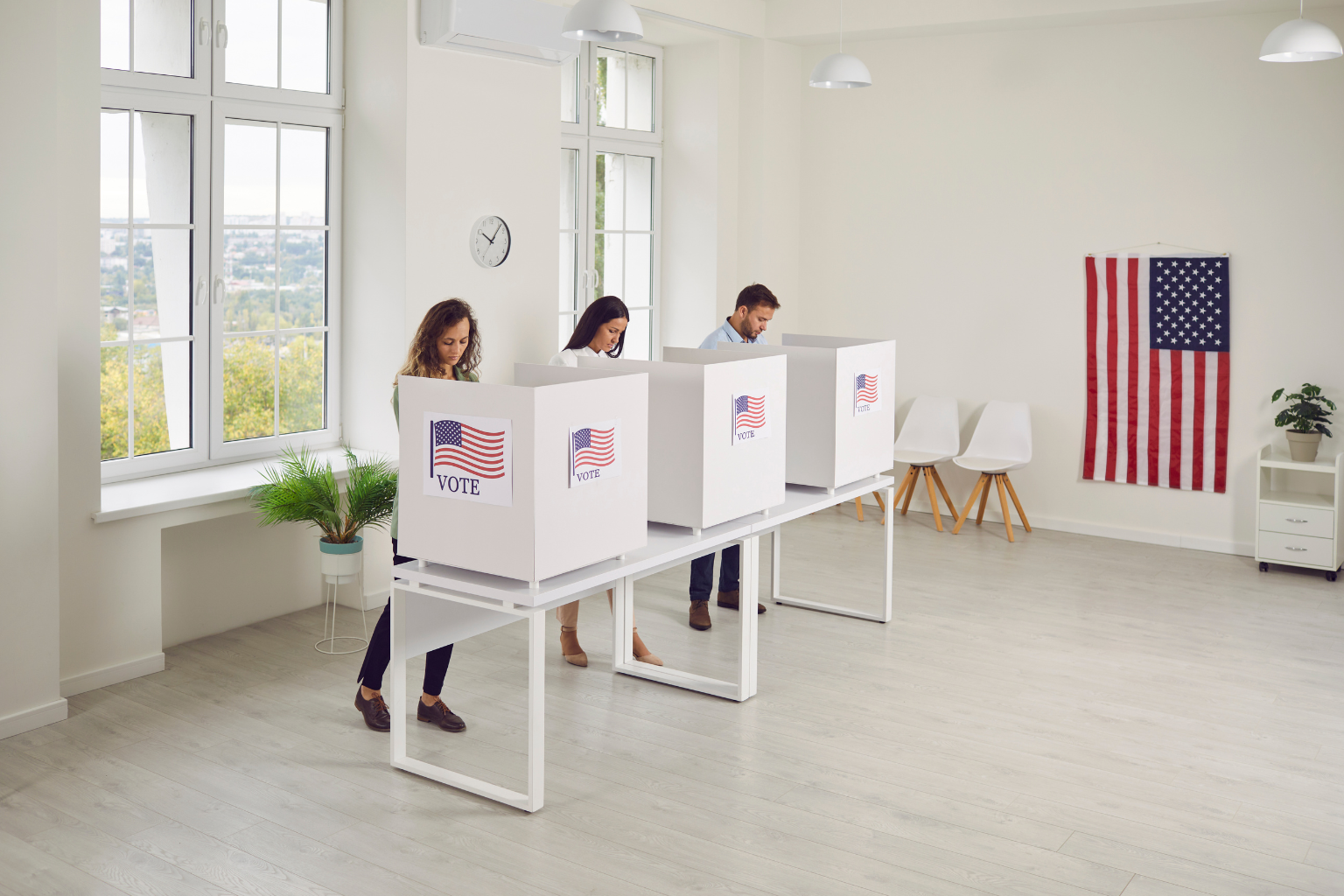
A new national poll shows a shift in Americans’ views of election integrity, prompting concerns ahead of the 2026 midterms. Most Americans still believe their state elections will be fair, but trust has dropped in recent years.
The PBS News/NPR/Marist survey released Wednesday found that 66% of Americans are extremely or somewhat optimistic that their state or local governments will run fair elections. 34 percent indicated they were not confident at all. Compared to the 2024 presidential election, public trust has dropped significantly.
Overall trust has decreased by 10% since October 2024, one month before the last presidential election. Although most Americans still trust the election process, the decline reflects growing mistrust among certain voters.
The poll reveals Democrats and independents are contributing to confidence decrease. Democratic confidence in election fairness decreased by 16%, while independents witnessed an 11-point dip. Republican confidence rose three percentage points.
Americans also disagree on the biggest challenges to fair elections. About one-third of respondents consider voter fraud the biggest threat to election integrity. Another 26% cited misleading or inaccurate information as their main worry. 24 percent cited voter suppression as the largest issue, while 8 percent cited foreign intervention.
Political affiliation heavily influences risk perception. Republican voters say fraud is the biggest threat to fair elections (57%). Voter suppression is the major concern for 41% of Democrats. Independents prioritize inaccurate information as a major concern, with around one-third viewing it as the highest risk.
The survey results come as lawmakers debate new voting and election laws. Former President Donald Trump and other Republicans have supported the SAVE America Act. The plan tightens voter registration and balloting.
The bill would require proof of U.S. citizenship before registering to vote. Birth certificates and U.S. passports are acceptable. Photo ID would also be required for voting.
Supporters say the bill will bar noncitizens from participating in U.S. elections. Noncitizen voting is illegal and infrequent, but advocates argue stronger checks would preserve the system.
Critics, including several Democratic lawmakers, say the proposed criteria might make voting harder for eligible Americans. Married women who change their last names may not have documentation that match their new identification.
Despite the political controversy, the survey shows another crucial voter perspective. Six in ten Americans say ensuring everyone can vote is the top priority. The biggest concern for 41% is preventing ineligible voters from voting.
Another survey finding shows increased fear over Election Day issues. Nearly 58% of respondents expressed anxiety about being denied voting rights at polling locations in November. The level of concern has increased by 16% since January 2020.
Between March 2 and 4, 1,591 US people participated in the poll. The poll’s margin of error is 2.8 percentage points. The group included 1,392 registered voters, with a 3.0% margin of error.
These findings imply that political affiliation and policy discussions continue to impact voter opinions toward election integrity as the 2026 midterm elections approach. Most Americans still trust their local election systems, but the fall in confidence suggests that election security and access will remain a major political issue.
Sources
PBS News
NPR
Marist Poll
U.S. Congress (legislative information related to the SAVE America Act)