

Fox News Commentator Raises Concerns After Trump’s Iran Ceasefire Decision
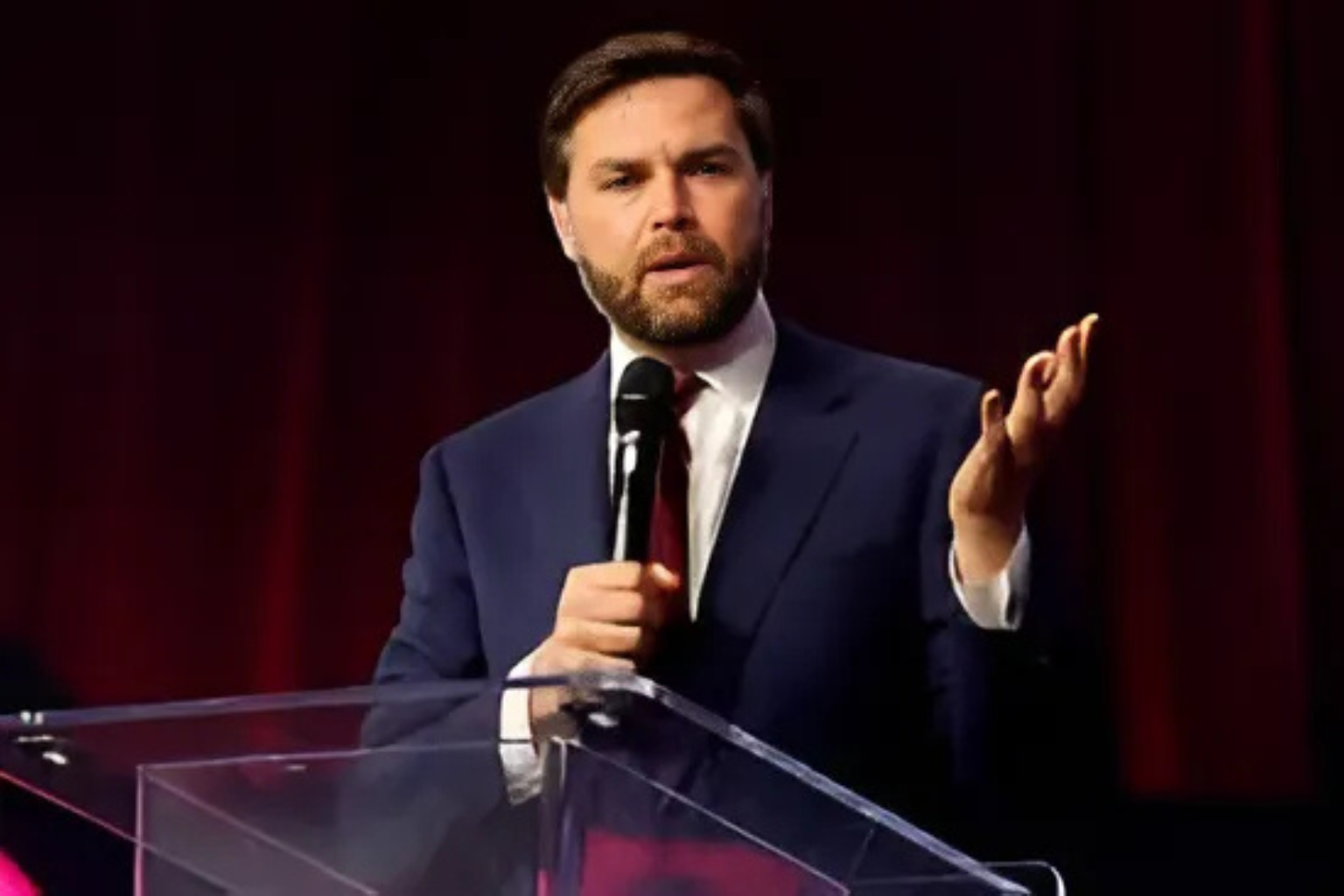
A fresh debate has emerged in U.S. political circles after Donald Trump announced a temporary ceasefire agreement with Iran, a move that has drawn mixed reactions from allies and media voices. Among the most vocal responses came from Mark Levin, a prominent Fox News host known for his strong support of Trump’s policies.
Speaking during a late-night appearance on “Hannity,” Levin acknowledged Trump’s leadership and achievements, saying that few presidents could accomplish what Trump has managed since returning to office. However, his tone shifted as he raised concerns about the long-term sustainability of the ceasefire and what might happen once Trump is no longer in power.
Levin emphasized that while he personally trusts Trump’s judgment, he remains deeply skeptical about Iran’s intentions. He questioned whether any agreement could truly hold over time, especially without strong enforcement mechanisms in place. His remarks reflected a broader चिंता within conservative circles about the reliability of diplomatic deals with Tehran.
During the discussion, Levin pointed out several unresolved issues that he believes are not being fully addressed. He questioned how the United States plans to enforce any agreement with Iran and whether there would be changes in military positioning or new bases established to ensure compliance. He also raised humanitarian concerns, asking what role, if any, the U.S. would play in supporting the Iranian people under the current arrangement.
Another major concern highlighted by Levin was the influence of Iran’s regional allies and proxies, including groups like Hezbollah. He warned that even if Iran’s military capabilities are weakened, external support from countries such as China and Russia could help rebuild its strength over time. According to Levin, this makes the current situation far from resolved.
His comments quickly gained traction on social media platform X, where users debated his reaction to the ceasefire. Some described his response as overly alarmed, while others echoed his concerns about the risks involved in trusting Iran’s leadership.
The ceasefire itself was announced by Trump as a temporary measure aimed at reducing immediate tensions. The agreement was reportedly brokered with the help of Pakistan and came shortly before a deadline set by the U.S. president for Iran to respond. Trump had previously warned of severe consequences if an agreement was not reached, signaling the high stakes involved in the negotiations.
According to Trump, Iran presented a 10-point proposal that could serve as a foundation for future discussions and potentially bring an end to the ongoing conflict, which began with joint U.S.-Israeli military action earlier this year. The ceasefire also includes coordination efforts to ensure safe passage for ships through the strategically critical Strait of Hormuz, a key route for global oil and gas transportation.
Iran’s Foreign Minister Abbas Araghchi confirmed that Tehran would work with its armed forces to maintain security in the region, particularly in managing maritime traffic through the strait.
In a separate development, Trump suggested the possibility of a joint initiative with Iran to manage and potentially charge tolls for passage through the Strait of Hormuz. He described the idea as a way to enhance security while also creating a structured system for overseeing one of the world’s most important energy corridors.
Despite these developments, Levin maintained that significant challenges remain. He stressed that the core issue is not just reaching an agreement, but ensuring that it is enforceable and sustainable in the long term. His remarks reflect ongoing uncertainty surrounding U.S.-Iran relations and highlight the complexities involved in balancing diplomacy with national security concerns.
As discussions continue, the ceasefire marks a critical moment in the evolving situation, with both supporters and critics closely watching how the agreement unfolds in the coming weeks.
Sources
Official statements from the White House
Public remarks on Fox News broadcast
Statements from Iran’s Foreign Ministry