
Federal Investigators Say Missed Turbulence Warning Contributed to Injuries on United Flight to Newark
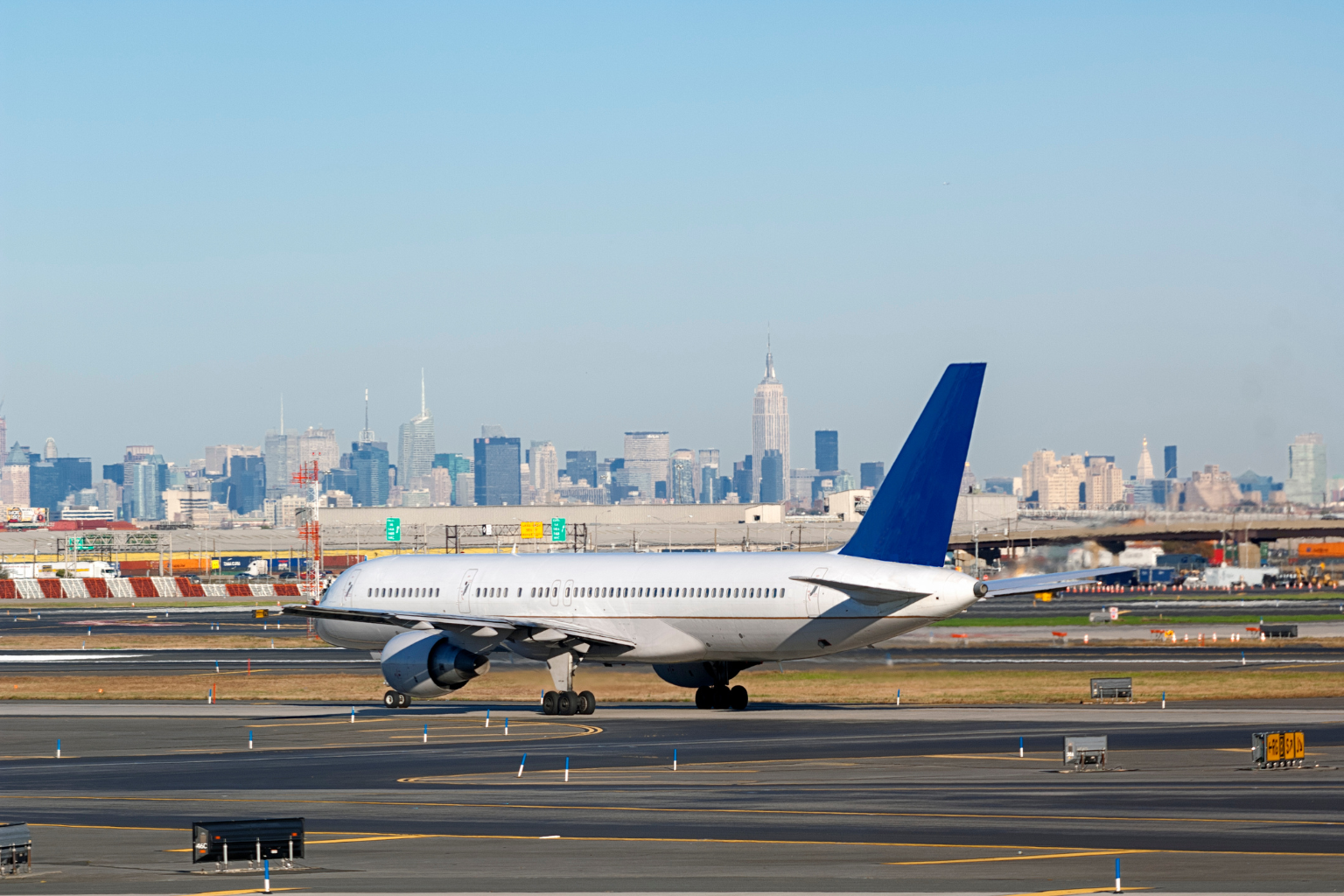
A government inquiry found that an air traffic controller’s inability to communicate turbulence information contributed to a serious incident involving a Newark-bound plane last year. The National Transportation Safety Board’s final study found that poor communication caused three flight attendants on United Airlines Flight 1890 to sustain serious injuries.
Morning of February 10, 2024, the flight left Los Angeles for Newark Liberty International Airport. According to the federal assessment, the flight crew plotted a northern path to avoid central Pennsylvania turbulence. Despite those efforts, the airplane faced unanticipated turbulence as it descended into New York.
Another aircraft flying ahead reported significant turbulence three minutes before Flight 1890 began its descent, investigators found. Air traffic control received that report. However, the Boston-based controller failed to provide the real-time weather advisory to the Newark-bound crew. The controller later told investigators they did not hear the pilot weather report and were busy with other coordination chores.
While descending, the aircraft ahead reported moderate to heavy precipitation and mild to moderate turbulence about 3:30 p.m. Eastern Standard Time. Flight 1890 filed a descent report with air traffic control shortly after. Federal investigators found no controller reaction at that time.
Pilots saw gloomy clouds ahead as the plane descended. The onboard weather radar did not indicate turbulence or unsafe flight conditions. An indication of moderate turbulence was transmitted to the flight, but investigators are unsure if the crew saw it in time.
Two minutes later, the pilots reported “severely moderate turbulence.” Once again, the controller was silent. After a few seconds, the turbulence incident had a major impact inside the cabin. Thrown objects harmed several people.
The NTSB reported two flight attendants with broken bones. A third attendant had a subcranial bleed. Another crew member was head-lacerated. The severity of the injuries demanded an emergency response upon arrival. Newark Liberty International Airport paramedics met the plane at the gate and took three flight attendants to a hospital.
The government inquiry stated that the controller violated FAA protocol by not relaying the prior turbulence notice. Communicating pilot weather reports on time is a national airspace safety priority. Such information helps flight crews prepare the cabin, secure equipment, and seat passengers and crew in seat belts before turbulent air.
A National Air Traffic Controllers Association spokesperson did not reply to requests for comment after the study was released.
The study emphasizes the significance of real-time communication between pilots and air traffic controllers, particularly during weather-related situations. Modern airplanes have improved radar systems, but pilot reports and controller coordination are still crucial to aviation safety.
Officially recording the occurrence, the National Transportation Safety Board’s final report details the injuries’ causes. Federal investigators stressed that following communication protocols is crucial to averting future incidents.
Sources:
National Transportation Safety Board
Federal Aviation Administration