
Federal Investigators Probe Industrial Discharge in Hillside After Residents Report Foul Smell in Elizabeth River Tributary
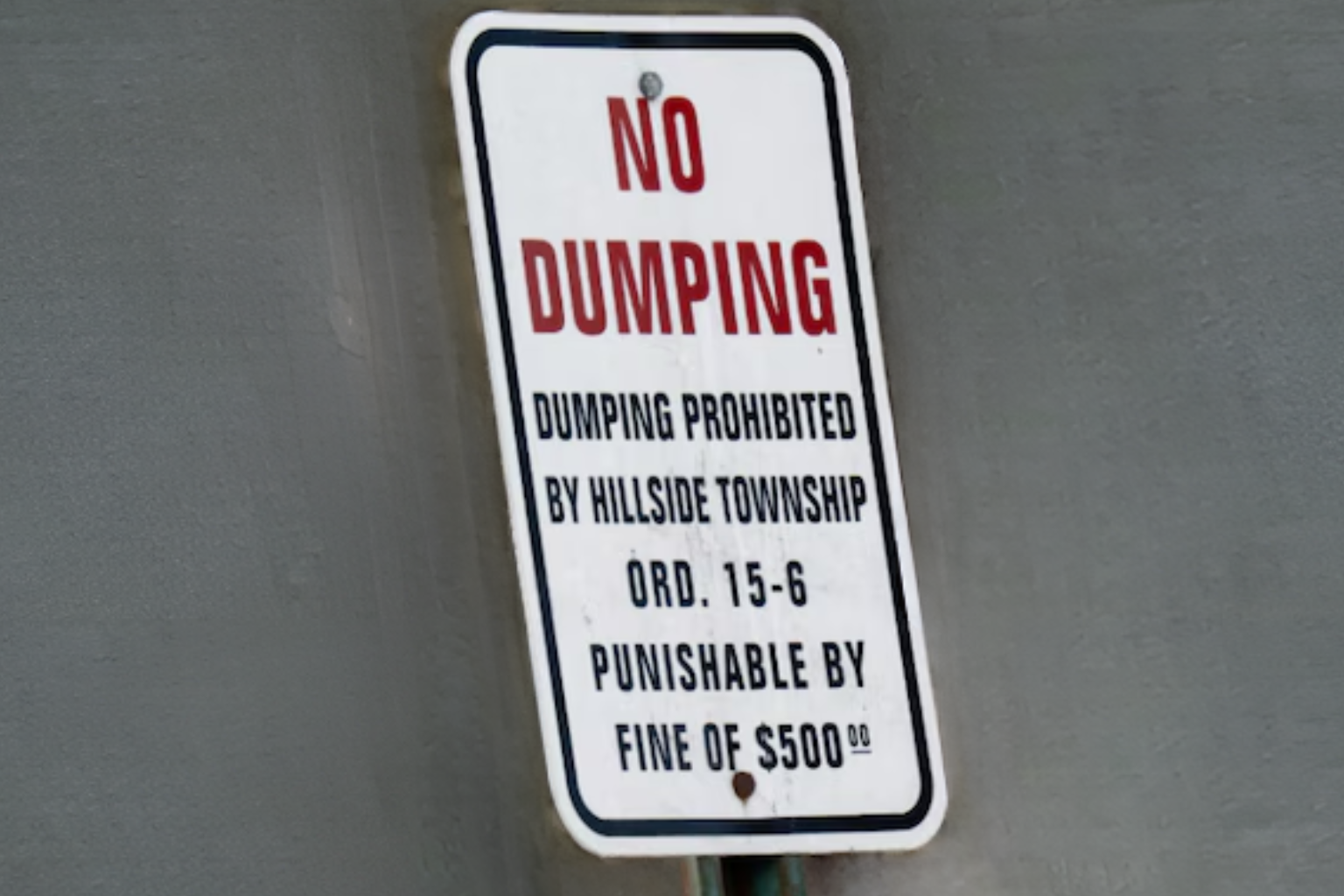
This week, Hillside, New Jersey residents were astonished to find that federal environmental regulators are examining a discharge into a tributary of the Elizabeth River after reports of a strong odor and sticky residue near the water.
A nearby homeowner complained about a “odorous, slimy residue” along the 12-mile Elizabeth River tributary. This allegation led to a surprise EPA examination of a nearby industrial facility in October.
Gargiulo Produce, a nearly century-old food distributor with a nine-acre Hillside factory, was linked to the release by federal investigators. The company is one of the top East Coast receivers of fresh fruits and vegetables and has a $111 million Defense Department contract to supply schools with food.
The EPA observed discharge from an outfall pipe connected to equipment that compacts crushed fruits and vegetables. Remaining generate matter and other particles were found. Site inspectors also noticed a strong odor. According to federal data, the facility’s runoff runs into the Hillside Municipal Separate Storm Sewer System, which drains into the Elizabeth River tributary.
Images taken during the inspection showed stacks of veggies, fruits, and other organic waste near a drain and inside a vehicle. Federal regulators issued a compliance letter after sampling.
The facility did not have a Basic Industrial Stormwater General or National Pollutant Discharge Elimination System permit when inspected by the EPA. Facilities that dump industrial runoff or wastewater into U.S. waters need these licenses under the Clean Water Act.
The EPA issued an administrative order on February 5 ordering Gargiulo Produce to stop the improper discharge and seek industrial stormwater discharge permits. The corporation was also told to create and execute controls to comply with federal environmental rules.
An EPA representative said the corporation ceased discharging immediately after receiving the compliance letter and is developing a long-term solution. So far, no financial penalties have been issued.
Federal inspectors identified 25.3 mg/L ammonia in non-stormwater discharge during preliminary testing. Ammonia concentrations exceeding 17 milligrams per liter for more than an hour can harm fish and aquatic life, according to environmental health regulations. No major marine life consequences have been detected by officials.
Early findings have prompted caution but not alarm from experts. Alexis Mraz, a public health professor at The College of New Jersey, said current knowledge does not indicate a direct hazardous concern. She said the EPA’s analysis will reveal any new contaminants in the stream.
Mraz asked area homeowners to stay informed and to avoid giving dogs water from the impacted creek until more is known. She stressed that New Jersey citizens cannot drink from the Elizabeth River tributary.
In addition, Rutgers University Environmental and Occupational Health and Justice professor Robert Laumbach analyzed the preliminary findings. He noted that vegetable waste is less likely to contain hazardous microorganisms than other trash, but further investigation is needed before reaching strong health or environmental conclusions.
The New Jersey Department of Environmental Protection confirmed that Gargiulo Produce does not have a stormwater permit. State officials said institutions must seek for permits and the department is reviewing the matter. The EPA also said the company has never been cited for water issues.
Residents said they only recently learned about the probe. Some worried about transparency and stressed the need of regulators communicating quickly if public health is at risk. Others remarked that while truck activity from the plant is common, the corporation has not unduly disturbed the area.
For now, federal investigators are investigating whether there are more pollution sources and whether more action is needed. Early signals, such as no recorded harm to people or animals over several months, are positive. Authorities said the review is ongoing and more details are expected soon.
This case shows how federal and state environmental oversight monitors industrial discharges and enforces the Clean Water Act. Residents and local officials await investigators’ final conclusions to see if any corrective measures or enforcement actions are needed.