Fear and Fallout: How Federal Immigration Arrests Are Reshaping Life in Bridgeton, New Jersey
A small South Jersey city that relied on immigrants to rebuild its neighborhoods and economic districts is now worried about federal immigration enforcement. Family, business, church, and local advocates in Bridgeton, New Jersey, claim recent ICE activity is affecting daily life in visible and terrible ways.
Many residents felt the shift in December.
As he drove to a construction job in Atlantic City, federal immigration agents detained 30-year-old Mexican Rene Dominguez Facundo. His cousin and he were arrested. His family claims he has lived in the US for 13 years, graduated from Bridgeton High School, and created a life there. They claim he’s never been convicted.
His wife gave birth to their daughter two weeks after his imprisonment in a Natchez, Mississippi, detention facility more than 1,000 miles away. He hasn’t met his newborn, according to his relatives.
Federal officials said he was apprehended on Dec. 12 for illegally entering the US. Immigration and Customs Enforcement says it is making arrests nationally, including in New Jersey. The agency targets criminal noncitizens, particularly those with serious convictions. Unlawfully present individuals may qualify for voluntary departure aid, which includes cash support and transportation, according to ICE.
Bridgeton supporters say many of the people held in recent months are longstanding residents who work, attend church, and support families.
One of New Jersey’s most varied cities is Bridgeton, a 27,000-person Cumberland County city. US Census data shows about 60% Latino population. Nearly 25% are immigrants. As factories shuttered and industrial jobs dropped, agricultural migrant laborers moved to the city during the past few decades. Many opened restaurants, grocery stores, retail stores, and service businesses on Laurel and East Commerce Streets, revitalizing downtown.
Today, certain streets are quieter.
Community members said some families have limited outings out of fear of enforcement. According to Bridgeton City Council President Edward Bethea and Councilman J. Curtis Edwards, residents have avoided school, medical appointments, employment, and other usual activities due to immigration enforcement concerns. Though not representing the local administration, council members stressed that enforcement should respect constitutional principles, due process, and human decency.
The emotional toll has been described by clergy leaders.
A father was detained while going home after putting his 8-year-old son on the school bus soon before Christmas, according to the Rev. Matthew R. Weber of the Parish of the Holy Cross. The Sunday Mass attender was released after seven weeks but returned home. Weber claimed the boy blamed himself for the arrest because his father took him to the bus stop that morning.
Weber favors the removal of violent offenders but says undocumented status should not inherently make someone a criminal. He said the town is tense, with families being more cautious and businesses losing customers.
Immigrant advocacy groups reported increasing enforcement in mid-December. CATA, a farmworker support organization, coordinates legal and basic support for families of jailed workers. Rapid response teams formed by volunteers document enforcement activity and alert family of detainees.
Three Bridgeton residents were apprehended by ICE on January 14. One was convicted of simple assault and disorderly conduct, another was awaiting charges, and a third had many arrests, including DUIs, according to federal officials. In recent months, the department has not revealed the number of city arrests.
A Bridgeton incident near a Salvation Army food facility prompted concerns. Three people were arrested, according to federal officials. Community leaders said the agency did not enter the charity’s headquarters, but some locals were afraid to request food help.
Beyond individual cases, Bridgeton’s economy is affected.
Migrants have worked Cumberland County farms and nurseries for decades. After immigration, many worked in landscaping, construction, food packing, and small businesses. Local activists believe immigrant entrepreneurs stabilized downtown Bridgeton after late 20th-century industrial decline, when glass, textile, and metal firms closed and employment departed.
Now, business owners report slower foot traffic. When workers stay home out of fear, restaurants, retailers, and service providers suffer, say advocates. The city’s delicate economic recovery may halt if enforcement measures continue at the current rate, say citizens.
Meanwhile, community support has developed.
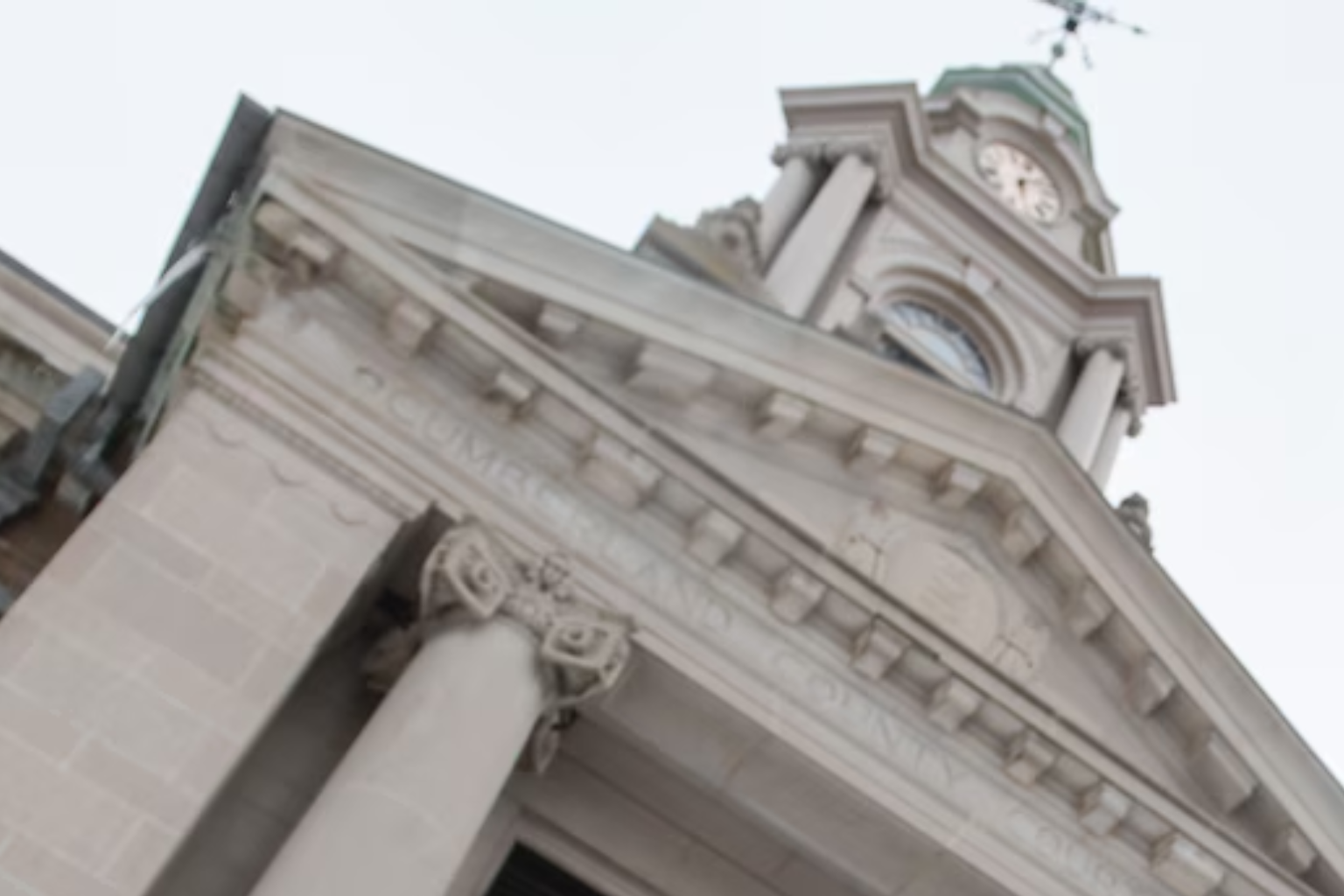
Greenwich Friends Meeting, a local Quaker group, holds a silent “Compassion Watch” outside the Cumberland County Courthouse in Bridgeton every Friday night. Participants carry compassion signs and electric candles. Organisers claim the events are solidarity with immigrant families, not protests.
Newcomers have traditionally been welcomed in Bridgeton. Estonian refugees and Japanese Americans moved to Seabrook, where Seabrook Farms hired dozens of nationalities to fill wartime labor shortages. Many immigrant supporters say that history defines Cumberland County.
Directly affected households are unsure.
Rene Dominguez Facundo’s sister Jessica Morales is seeking money for legal bills and bond. After missing his daughter’s birth, her brother has struggled emotionally in detention. While caring for their newborn, his wife returned to work at a factory.
Immigration law enforcement is national policy, according to federal officials. ICE argues that voluntary departure may preserve future prospects for lawful return, but removal proceedings may hinder future admissibility.
Bridgeton debates are real. It occurs in classrooms, churches, and little shops.
Law enforcement is needed, say several people. Others believe violent offenders should be treated differently from long-established families who contribute to the workforce and community. Undoubtedly, the city’s social fabric is stressed.
Immigration policy, public safety, and economic stability are national issues, as Bridgeton’s narrative shows. In this 6.5-square-mile city near the Delaware Bay, national policies affect daily life. Many families will watch to see if the city maintains its sluggish comeback or enters a new phase of instability.
Sources:
U.S. Immigration and Customs Enforcement (ICE)
Official statement from ICE regarding enforcement activity in New Jersey
Bridgeton City Council public statement
Statements from local clergy and community advocacy organizations in Bridgeton