Early Public Reaction to Governor Mikie Sherrill Shows Mixed Signals Across New Jersey
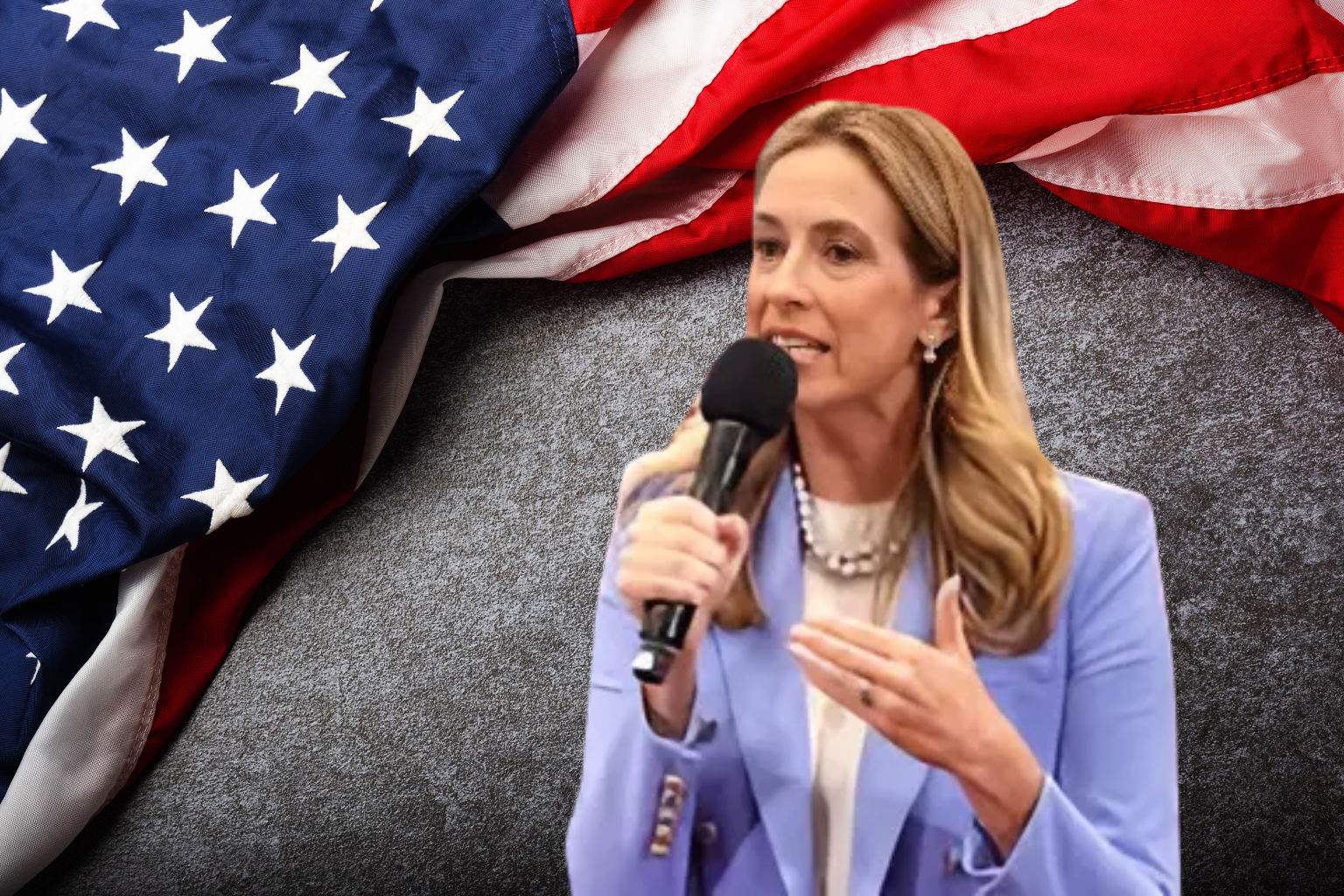
New Jersey Governor Mikie Sherrill is facing an early and complex test of public opinion, as two recent polls present noticeably different snapshots of how residents view her leadership at the start of her tenure. These early indicators highlight both the opportunities and challenges ahead for the new administration, as voters begin forming their first impressions in a politically active and often divided state.
The initial polling data suggests that public sentiment toward Governor Sherrill is not yet settled. One survey reflects a more favorable outlook, indicating that a segment of voters is optimistic about her leadership and willing to give her administration time to deliver results. This early support appears to come from voters who are either aligned with her policy direction or are adopting a wait-and-see approach common during the opening phase of a new governorship.
However, a second poll paints a more cautious picture. It shows a more divided electorate, with a noticeable portion of respondents expressing uncertainty or dissatisfaction. This contrast between the two polls underscores how early public opinion can vary widely depending on factors such as methodology, timing, and the specific issues highlighted during the survey period.
The mixed polling results come at a time when Governor Sherrill is actively engaging with the public through appearances and official events. One such moment drew attention during a pregame ceremony at the Prudential Center in Newark, where she presented a state flag to hockey player Jack Hughes in recognition of Team USA’s Olympic gold medal. While the event was meant to celebrate a national achievement, the reaction from the crowd included audible boos directed at the governor. This public response reflects the broader political environment in New Jersey, where leaders often face strong and immediate feedback from residents.
Moments like these are significant because they offer real-time insight into voter sentiment beyond formal polling. Public appearances can sometimes reveal underlying frustrations or divisions that may not be fully captured in surveys. In this case, the reaction at a high-profile event suggests that some voters may already hold critical views of the governor, even as others remain supportive or undecided.
Political analysts often note that early polling in a governor’s term should be viewed with caution. Public opinion at this stage is still forming and can shift quickly based on policy decisions, economic conditions, and overall performance. For Governor Sherrill, the challenge will be to navigate these early perceptions while building a consistent message and delivering on key priorities.
The differing poll results also highlight the importance of understanding how data is collected and interpreted. Variations in sample size, question wording, and timing can all influence outcomes, leading to different conclusions about the same political figure. For voters and observers, this serves as a reminder to consider multiple sources of information before drawing firm conclusions about public opinion.
As Governor Sherrill continues her tenure, future polling will provide a clearer picture of whether early optimism or skepticism becomes the dominant narrative. For now, the mixed signals suggest that New Jersey remains politically engaged and closely attentive to its leadership.
In the coming months, the governor’s actions and policy decisions will likely play a decisive role in shaping public perception. Whether she can unify these differing viewpoints and strengthen public confidence will be a key factor in determining the trajectory of her administration.
Sources
Official statements and public appearances from the Office of the Governor of New Jersey