
Democrats Confront a Critical Moment as Trump Looms on the Horizon
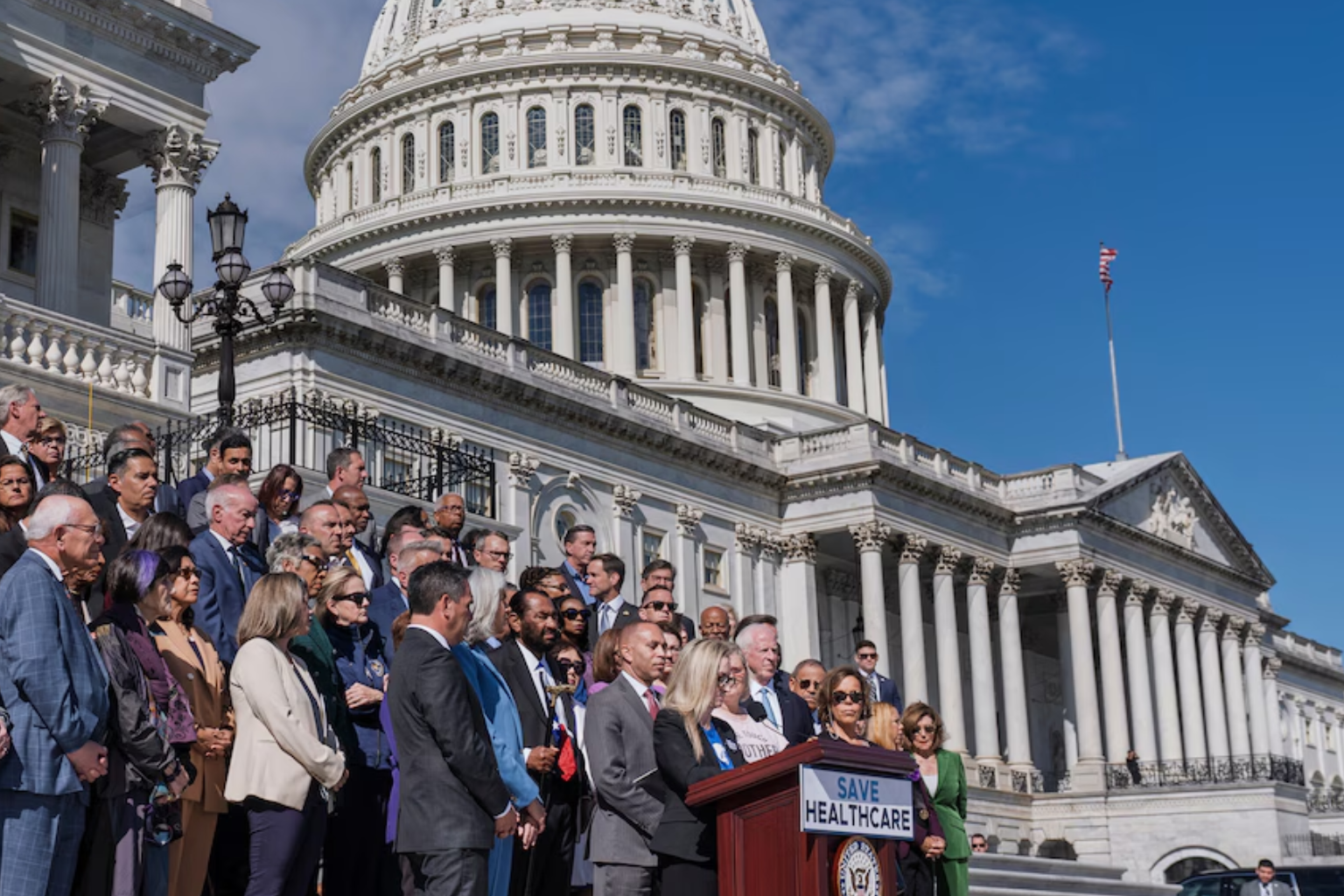
The Democratic Party must determine whether to oppose Trump and the GOP in upcoming elections. A new strategic study alleges the party has abandoned mainstream voter interests on economic, public safety, and border security. The findings show Democrats must adjust to regain power in 2026 and beyond.
The research shows that the Democratic Party has traditionally courted liberals while alienating more mainstream voters. Seven in 10 think the party is “out of touch.” The report demonstrates voter dissatisfaction with Democrats’ handling of rising costs, job creation, immigration enforcement, and public safety. It cautions the current approach could lead to election losses.
One opinion holds that Democrats have let “donor-class” influences, elitist policy frameworks, and niche ideological interests rule middle-income and working-class Americans. Progressivism on job creation, housing affordability, and public safety has lost support among many voters. As people focus on financial concerns and everyday economic issues, the party’s disconnect may be crucial.
The report suggests focussing on practical economic goals including lowering household prices, expanding jobs, improving social safety nets, and rejuvenating the economy. It promotes communicating on well-known priorities rather than controversial policy frameworks. While maintaining equity and civil rights, the party is encouraged to be more politically disciplined—picking battles and appealing to wider audiences.
Report advises rethinking immigration, border policy, and public safety. These reflect voter political stability and security worries. Moderate positions on these issues may help Democrats win back neglected middle- and working-class voters. Simply acknowledge the national mood, address voter concerns, and rebuild.
Party insiders endorse report outcomes. Major advisors cautioned that campaigning on unpopular programs or ignoring voter concerns is a “losing formula.” They argue rebuilding means reaching out beyond urban progressives, rethinking agenda and messenger, and confirming Democrats’ pragmatic nature.
From now on, the party must stick to its principles and be relevant. The analysis suggests the GOP must do more to serve normal Americans to win again, not specialist interests. Listening, reassessing, and adapting may determine whether the Democrats recover or fall behind as the election approaches.
Finally, the Democratic Party must reconsider its strategy and decide whether public opinion, economics, and practicality will win.