Cuba Signals Readiness Amid Rising Tensions With Trump, Calls for Peaceful U.S. Relations
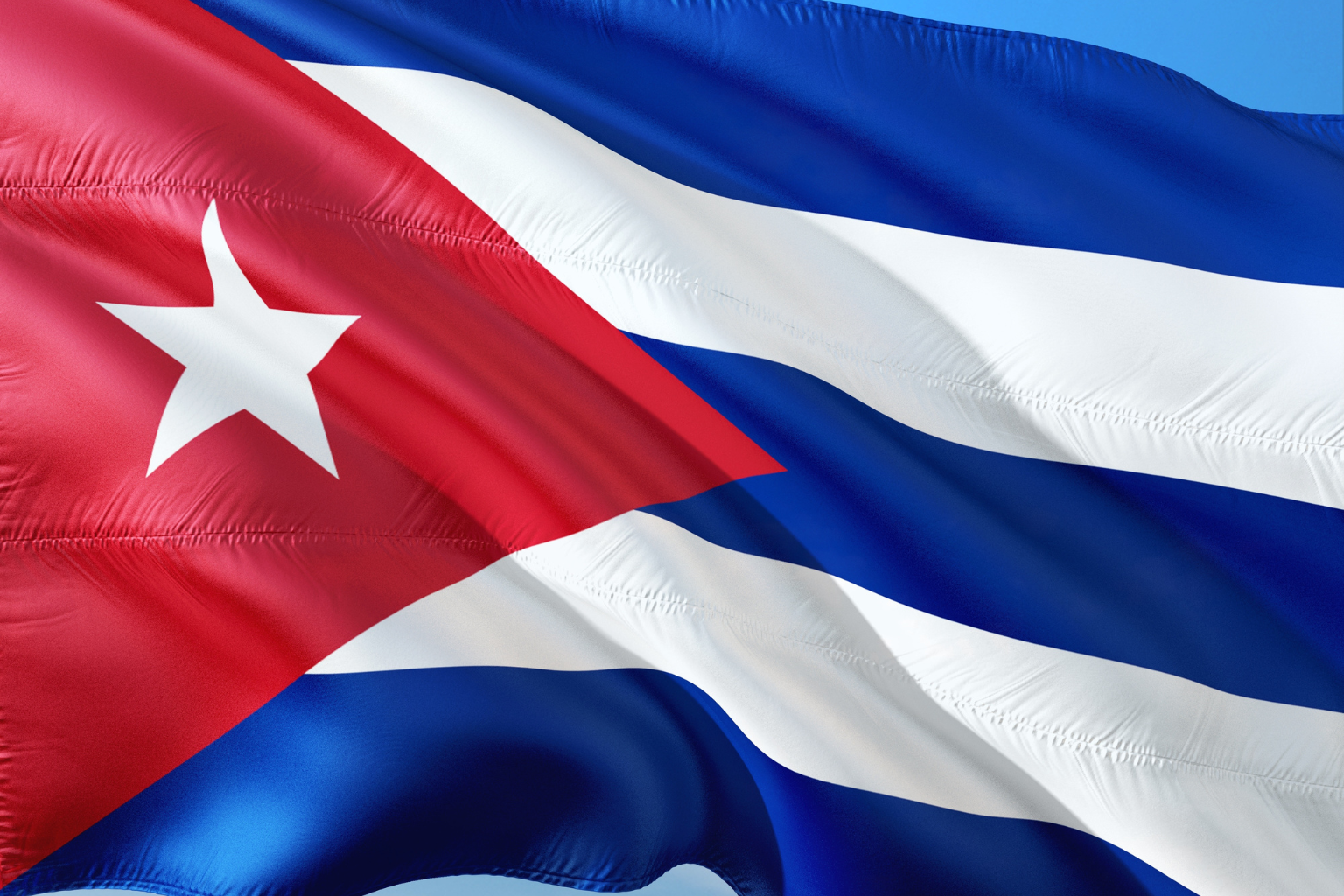
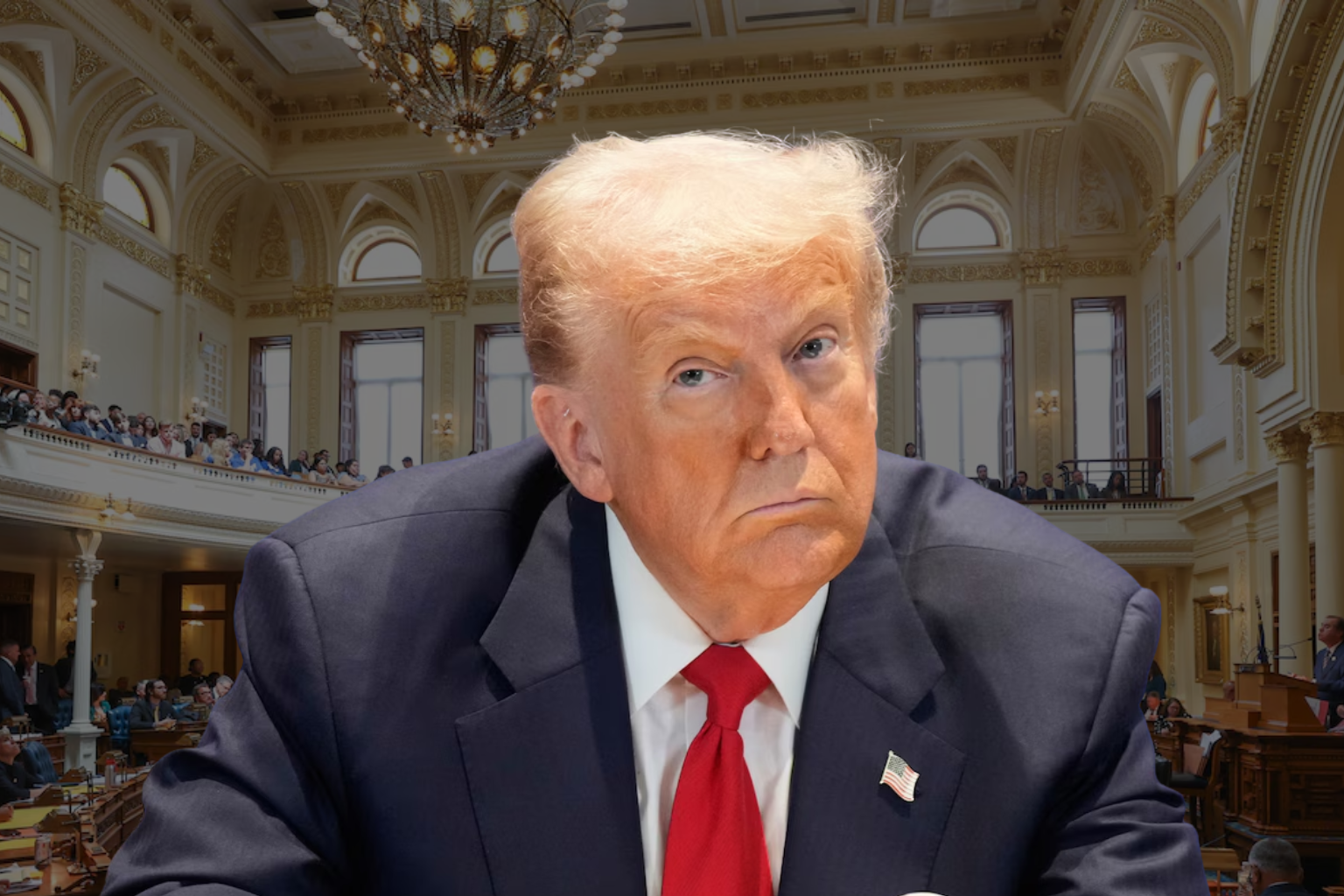
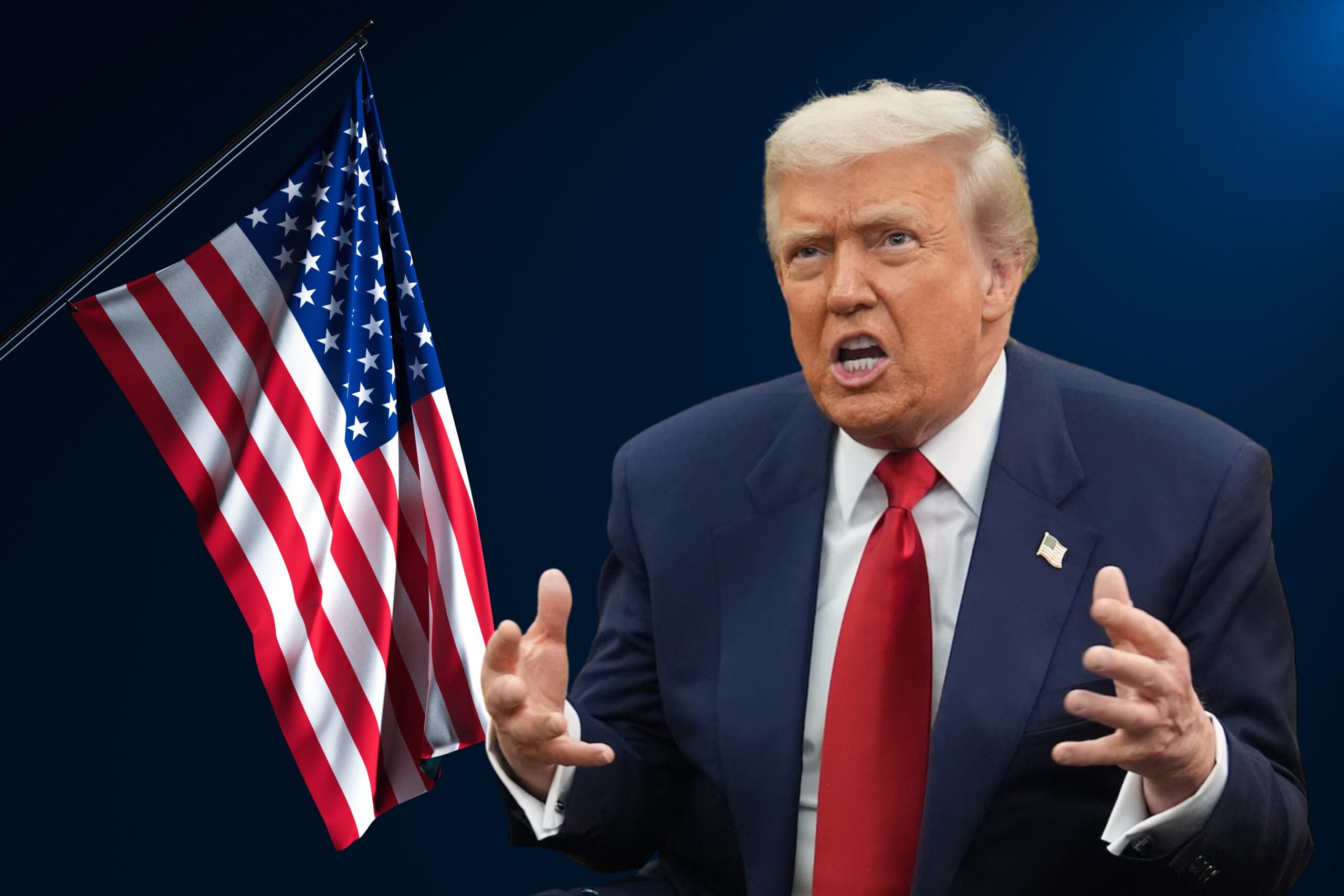
Cuba’s leadership has stated unequivocally that, despite its preference for peace, it is ready to react to any possible military action by Donald Trump’s United States. The declaration is made at a time when international attention is once again being drawn to the tensions between the two nations.
Carlos Fernández de Cossío, Cuba’s deputy foreign minister, stated in a recent interview that the nation has taken the appropriate measures in view of recent world events. He stressed that although Cuba hopes there won’t be a war, it would be unrealistic to rule it out. He believes that being ready for defense is a responsibility rather than an act of violence.
Cuba wants a respectful and peaceful relationship with the United States, Cossís emphasized. He did, however, query the reasoning behind any possible military action by Washington, claiming that there is no obvious reason to take such action against a neighboring country. His comments emphasize Cuba’s belief that ties between the two nations should be governed by negotiation rather than conflict.
The Cuban official also emphasized the nation’s long-standing capacity to mobilize its armed forces when necessary. He also vehemently opposed the notion of discussing Cuba’s political structure with any outside force. He reinforced Cuba’s position on national independence by pointing out that no sovereign nation would consent to discuss or change its governance structure in response to outside pressure.
These remarks come after President Miguel Díaz-Canel of Cuba issued a forceful warning that the nation is prepared to defend itself against any external threat. He claimed that the US was trying to weaken Cuba by using economic pressure and using force to destabilize the country. Such efforts are intended to control the nation’s resources and economy, claims Díaz-Canel.
Relations have become even more tense as a result of recent events. In addition to ongoing international wars that have impacted U.S. foreign policy, tensions increased following a U.S. military operation involving Venezuelan leadership earlier this year. In this regard, Trump has made a number of comments that point to a more assertive approach to Cuba, including claims that the US would seize control of the island nation.
Additionally, Trump has raised the possibility of a “friendly takeover” and said that high-level talks about Cuba are being held with senior officials, including Secretary of State Marco Rubio. These remarks have sparked worries in Havana and added to the nation’s elevated alert level.
Economic policies have increased pressure on Cuba in addition to political discourse. Citing national security concerns, Trump signed an executive order earlier this year proposing increased taxes on nations that sell oil to Cuba. Cuban officials contend that fuel supply have been severely damaged by these limitations, exacerbating the nation’s protracted energy crisis. Cuban residents’ everyday lives are made more difficult by frequent power outages and infrastructure issues.
Cossís explained that U.S. measures have deterred other countries from exporting petroleum to Cuba, characterizing the situation as dire. He stated that the Cuban government is aggressively managing the crisis in spite of these obstacles and is optimistic that things will eventually get better.
Cuban leadership has repeatedly underlined one important issue throughout the debate: the nation’s sovereignty cannot be compromised. Officials maintain that Cuba should be free to choose its own political and economic course without outside intervention.
Cuba’s message is firm but calibrated as tensions continue to rise. It continues to urge communication and respect for one another while bracing for the worst, opening the door to a more stable and cooperative relationship with the United States.