
Clocks Move Ahead in March 2026: What New Jersey Residents Need to Know About the Time Change
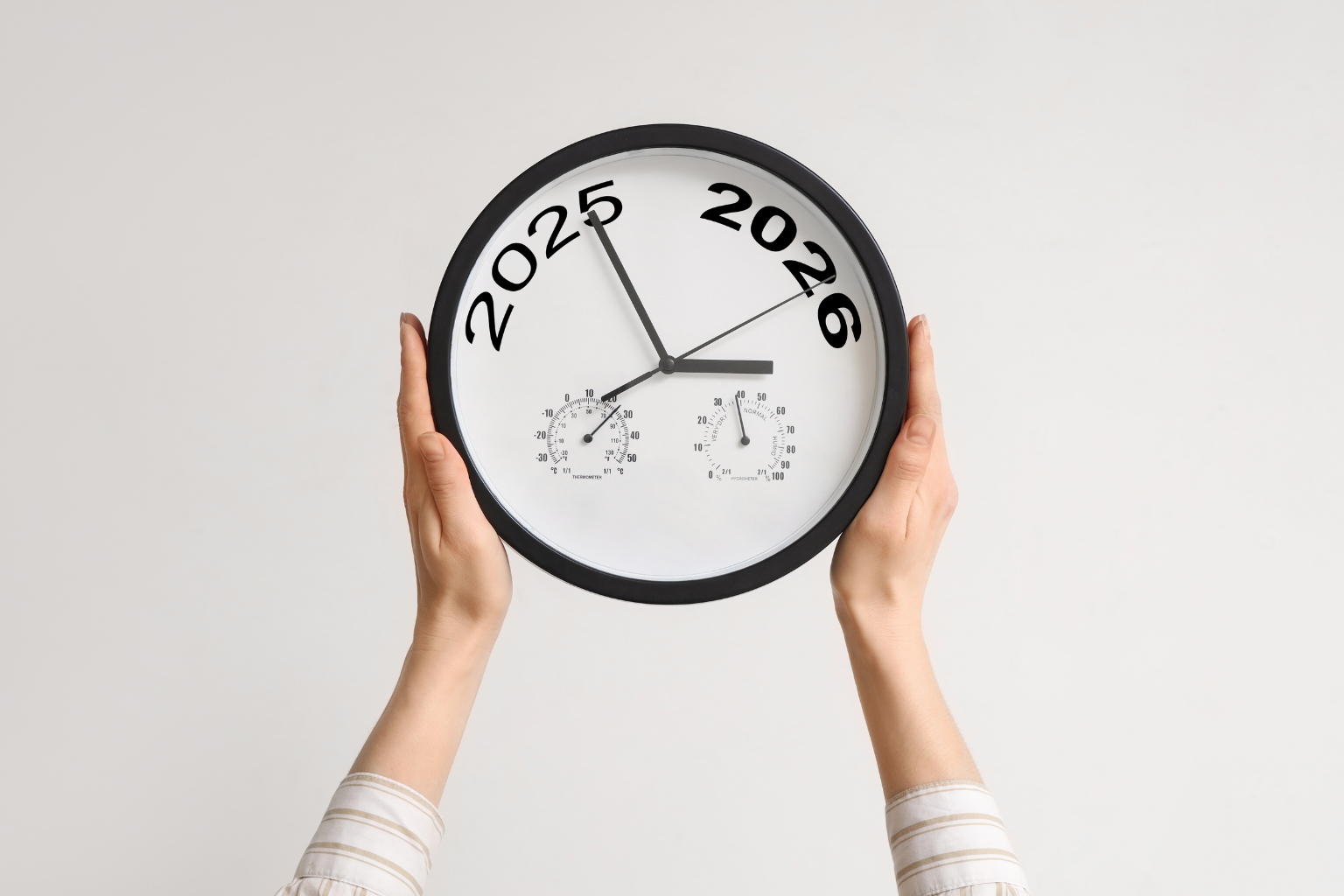
Most of the US will revert to DST on Sunday, March 8, 2026, while New Jersey will advance its clocks by one hour. The clocks advance from 2:00 to 3:00 a.m., prolonging afternoons but shortening nights.
This will cut your weekend free time by an hour. Even if many Americans don’t want to change the clocks every two years, the government’s 2026 plan remains. Standard time resumes November 1, 2026, after DST.
New Jerseyans will instantly notice the change in their everyday routines. March 7’s 5:57 p.m. drop. The state’s sunset will be 6:58 p.m. the next day, prolonging evenings by an hour. Darkening mornings. March 7 and 8 sunrises are 6:23 and 7:21 a.m. This adjustment affects commuters, students, and early risers.
The DST starts before spring. Spring begins Friday, March 20, at 10:46 a.m. with the equinox. Since winter ended in February, days have gotten longer. Atlantic City and Newark experienced sunsets after 5:30 p.m. in February as the days lengthen.
Not everywhere in the US has time changed. Hawaii and much of Arizona don’t use DST. Arizona’s Navajo Nation changes clocks seasonally. Puerto Rico, Guam, and other U.S. territories use standard time year-round.
The federal DST dispute continues. The Senate passed the Sunshine Protection Act in March 2022 to promote DST nationwide. The bill failed in the House. Sunshine Protection Act of 2025, introduced again in January, calls for DST to last forever. States can’t reform without federal approval.
Sleep and timing scientists fear year-round DST. Setting a consistent schedule may help sleep and sunlight synchronize, say experts. Long-term early mornings may impair your health. Politician, scientist, and public debates change the clocks every two years.
DST saved petrol during WWI. Despite popular assumption, it wasn’t built for farming. Congress passed the 1966 Uniform Time Act to unify state time adjustments.
Residents should slowly change their sleep habits and check for outdated equipment as March approaches. Smartphones and other modern devices change time automatically, but manual clocks must be reset.
Detailed 2026 strategy. New Jersey and much of the nation will set their clocks ahead one hour on March 8 at 2:00 a.m. This will brighten nights and welcome spring.
Sources:
United States Department of Transportation
United States Senate
United States Congress
National Institute of Standards and Technology
National Weather Service